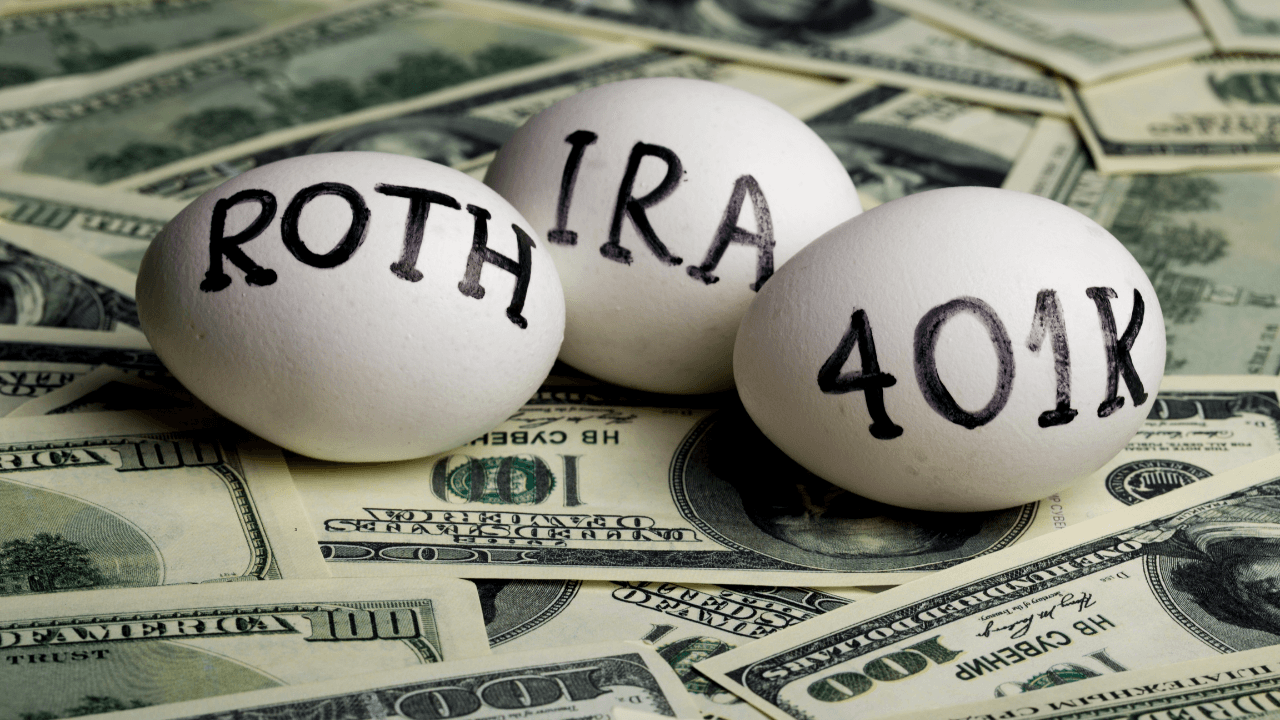
For many Americans, retirement wealth is built through workplace plans such as 401(k)s, pensions, IRAs, and long-term market investing. For many Muslims in the United States, that creates a practical challenge: how do you participate in the system while staying aligned with Islamic values?
Recent research published in the AQU Journal of Islamic Economics identified retirement products as one of the clearest underdeveloped segments of Islamic finance in America.
That insight matters because retirement may be the largest financial category where Muslim consumers have demand, money to deploy, and limited specialized solutions at the same time.
Ready to compare halal options?
Why retirement matters more than many realize
Housing gets more attention because it is emotional and immediate. But retirement is often where lifetime wealth quietly accumulates.
Monthly payroll contributions, employer matching, decades of compounding, and tax advantages can create far larger long-term outcomes than many one-time financial decisions.
That means lacking halal retirement solutions is not a small inconvenience. It can materially affect household wealth creation.
The three biggest problems Muslims face in retirement planning
Based on market behavior and recurring consumer questions, three issues appear most common.
1. Limited fund menus inside employer 401(k) plans.
Many workers can only choose from conventional mutual funds or target-date funds that may contain sectors or screens they wish to avoid.
2. Confusion around employer match.
Some employees are unsure whether to contribute if investment options are imperfect, even when matching dollars are available.
3. Lack of trusted guidance.
Many people do not need theory. They need practical step-by-step decisions for real accounts.
Start with Is a 401(k) Halal?
What the research highlighted
The 2025 paper argued that if employers and financial institutions expanded Shariah-screened retirement choices, the sector could grow quickly in the same way ESG funds gained traction inside workplace plans.
That is a major insight.
It suggests the barrier may not be lack of demand. The barrier may be lack of product access inside existing systems.
Why this gap still exists in America
Several structural reasons help explain the lag.
First is scale. Retirement plan providers typically favor large mainstream fund families with long track records and broad menus.
Second is operational friction. Adding niche funds to plan menus requires compliance, recordkeeping, and sponsor decisions.
Third is awareness. Many employers do not realize there is demand for halal options.
Fourth is fragmentation. Muslim employees are spread across industries and employers rather than concentrated in one purchasing bloc.
The good news: halal investing infrastructure already exists
America is not starting from zero.
Top Providers for This Topic



Free to compare · No sign-up required
The same research cited established U.S. Islamic investment firms such as Amana Funds and Azzad Asset Management. It also referenced the Amana Growth Fund at approximately $1.46 billion in assets during the period discussed.
That indicates real capital already exists in halal investing. The challenge is packaging access more effectively for retirement savers.
Explore options in Best Halal ETFs for U.S. Muslims and Best Halal ETFs for Beginners.
Get every halal provider graded (free PDF)
Every US halal provider graded on Shariah integrity, transparency, and value - the full scorecard PDF, plus alerts when grades change
No spam ever. Unsubscribe in one click.
What a better system could look like
A stronger Sharia-compliant retirement market would likely include:
Low-cost halal index funds or ETFs inside 401(k) menus.
Model portfolios matched to age and risk tolerance.
Clear educational guidance on employer matching and tax benefits.
Simple rollover pathways from old employer plans into halal solutions.
Integrated retirement income planning for later life.
Visit our Retirement Planning Hub.
Why the economic upside could be large
Retirement assets are sticky, recurring, and long duration.
Unlike one-time transactions, payroll contributions can continue for decades. That creates compounding assets for investors and recurring balances for providers.
For firms serving Muslim consumers, retirement may be one of the highest-value categories in the market.
What individuals can do today
Even without a perfect system, consumers still have meaningful actions available.
Understand your employer plan.
Review available fund menus.
Evaluate outside IRA or brokerage solutions.
Create a long-term retirement timeline rather than waiting for a perfect product.
Read Muslim Retirement Planning in the USA and Halal Retirement Income Guide.
What may happen next
The next phase of growth could come from fintech platforms, advisors, or plan providers that realize Muslim workers are an underserved audience with real assets to allocate.
Once one category proves demand at scale, competitors often follow.
Final thoughts
America still lacks strong Sharia-compliant retirement options not because the need is small, but because the system has not yet adapted.
Compare providers in your state
See side-by-side comparisons of Shariah-compliant products, or let our matcher recommend the best options for your situation.
Recent research correctly identified retirement as one of the clearest growth opportunities in U.S. Islamic finance.
For consumers, the key is to start planning now. For the market, the opportunity may be far larger than it appears.