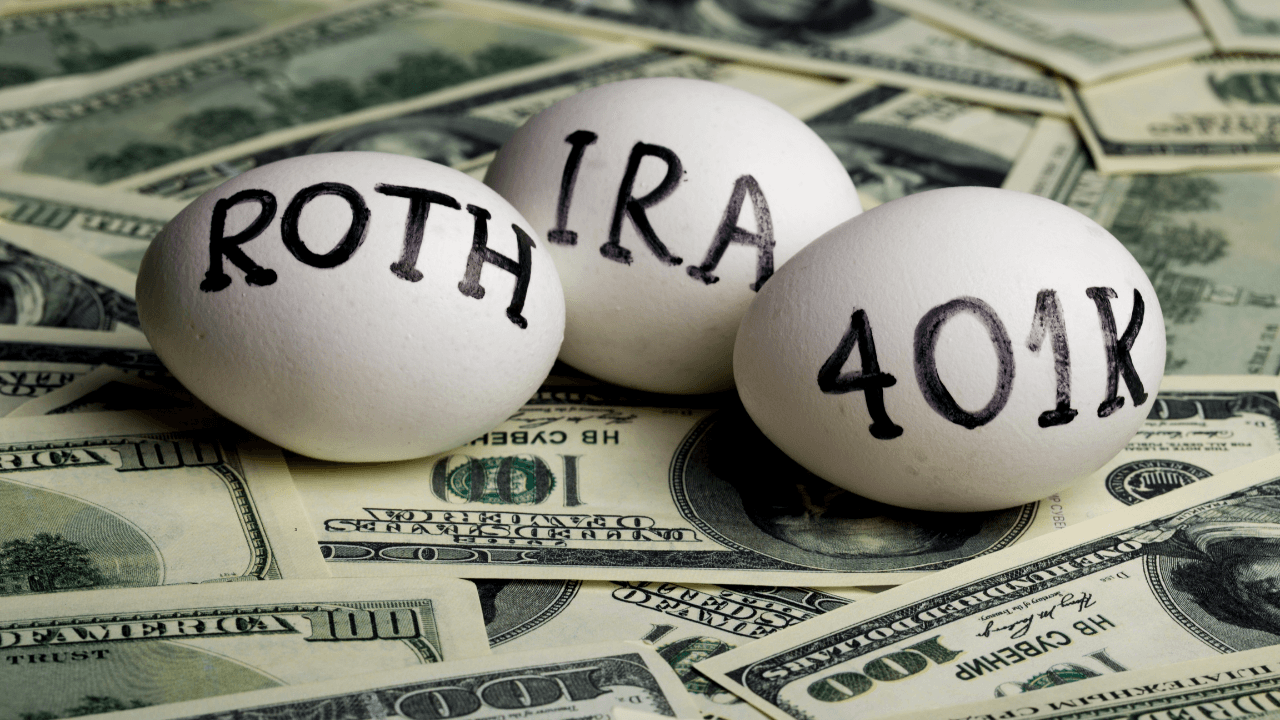
Do you pay zakat on a 401(k), traditional IRA, or Roth IRA? For many Muslims in the U.S., the practical answer is yes, zakat can apply to retirement savings you legally own - but scholars disagree on when it is due (every year vs only when you withdraw). This 2026 guide explains both views, how to estimate a net zakatable value after taxes and penalties, and how to stay consistent year to year.
Related: nisab threshold 2026, zakat on investments, zakat on gold and silver, and the zakat hub.
Ready to compare halal options?
Quick Answer: Why Retirement Accounts Confuse Zakat
- Ownership: The account is in your name and invested - that looks like wealth you own.
- Access: Early withdrawal often triggers taxes and penalties, so some scholars delay zakat.
- Underlying assets: Zakat applies to cash and halal investments inside the account, not the label "401(k)."
- Employer match: Vested employer contributions count once they belong to you.
Two Scholarly Approaches (Most Common in the U.S.)
| View | When zakat is due | Best for |
|---|---|---|
| Ownership / annual | Each year on estimated net value | Muslims who want a clear annual habit |
| Access / withdrawal | When funds are actually received | Muslims who treat early access as impractical |
| Hybrid (common practice) | Annual estimate using net accessible value | Balancing scholarship with cash-flow reality |
Organizations such as AMJA and FCNA have addressed modern financial assets; many U.S. Muslims follow a net-value annual method under qualified scholarly guidance. If your situation is complex (large balances, loans against the plan, mixed haram holdings), ask a scholar who understands U.S. tax-qualified accounts.
What Inside the Account Is Zakatable?
- Cash or cash equivalents in the plan
- Halal stocks, ETFs, and mutual funds at market value
- Vested employer match once it is yours
- Not zakatable: personal residence, car, household goods; debated: haram holdings (purification may be required separately)
If your 401(k) holds non-compliant funds, zakat calculation does not make the investment halal. Screen holdings where possible and see zakat on investments.
Step-by-Step: Net-Value Method (Widely Used)
- 1. Note total account value on your zakat date (all retirement accounts combined).
- 2. Estimate federal + state tax and early-withdrawal penalty if you cashed out today (conservative estimate is fine).
- 3. Subtract that from gross value to get net zakatable value.
- 4. Add other zakatable assets (cash, investments, gold, business inventory, etc.).
- 5. Deduct short-term debts due soon if you follow that opinion.
- 6. If total ≥ nisab and hawl is complete, pay 2.5% on the total zakatable pool.
Example (Illustrative)
Amina has $120,000 in a traditional 401(k) and $8,000 in a Roth IRA. She estimates 30% would go to taxes/penalties if she withdrew the traditional balance today: net ≈ $84,000. Roth is post-tax, so she uses full $8,000. Other zakatable cash: $5,000. Total ≈ $97,000. Nisab cleared. Zakat ≈ $97,000 × 2.5% = $2,425. She pays from outside the plan so she does not trigger withdrawal penalties.
401(k) vs Traditional IRA vs Roth IRA
| Account | Tax note for zakat estimate | Common practice |
|---|---|---|
| Traditional 401(k) | Pre-tax; reduce for estimated tax + penalty | Net-value annual method |
| Traditional IRA | Same as 401(k) | Net-value annual method |
| Roth IRA | Contributions post-tax; earnings may still have rules | Many use full balance or consult scholar |
| Roth 401(k) | Mix of post-tax and earnings | Document method; stay consistent |
Employer Match and Vesting
Top Providers for This Topic



Free to compare · No sign-up required
Employer contributions that are not yet vested are not yours - exclude them. Once vested, include them in the same net-value calculation as your deferrals.
Get every halal provider graded (free PDF)
Every US halal provider graded on Shariah integrity, transparency, and value - the full scorecard PDF, plus alerts when grades change
No spam ever. Unsubscribe in one click.
Paying Zakat Without Cashing Out the Plan
Most Muslims pay retirement zakat from separate cash (checking, zakat fund, or monthly installments) to avoid early withdrawal penalties. That is generally acceptable when the obligation is acknowledged and fulfilled from other funds.
Frequently Asked Questions
Do I pay zakat on my entire 401(k) balance?
Under the net-value method, you pay on an estimated amount you would actually receive, not always the headline balance. Under the withdrawal-only view, you pay when distributions hit your bank account.
What if I cannot afford zakat on a large 401(k)?
Scholars emphasize zakat should not cause hardship. Some allow paying over time, using the withdrawal view, or prioritizing mandatory expenses. Document your method and consult a scholar if the amount is very large relative to liquid cash.
Does zakat apply to a 529 or HSA?
Different account rules apply. See halal 529 guide and treat HSAs like other invested wrappers - ownership and access questions are similar.
Can I use the HalalWallet calculator?
Yes. Use the zakat calculator for nisab and totals, then add retirement accounts using the method your scholar prefers.
Which nisab should I use?
Most U.S. Muslims use the silver nisab for monetary assets. See nisab threshold 2026.
Bottom Line
Compare providers in your state
See side-by-side comparisons of Shariah-compliant products, or let our matcher recommend the best options for your situation.
Retirement zakat is a real obligation many scholars recognize, with flexibility on timing and valuation. Pick a method, apply it consistently, pay from outside the plan when possible, and pair calculation with trustworthy where to give zakat in the U.S. guidance.