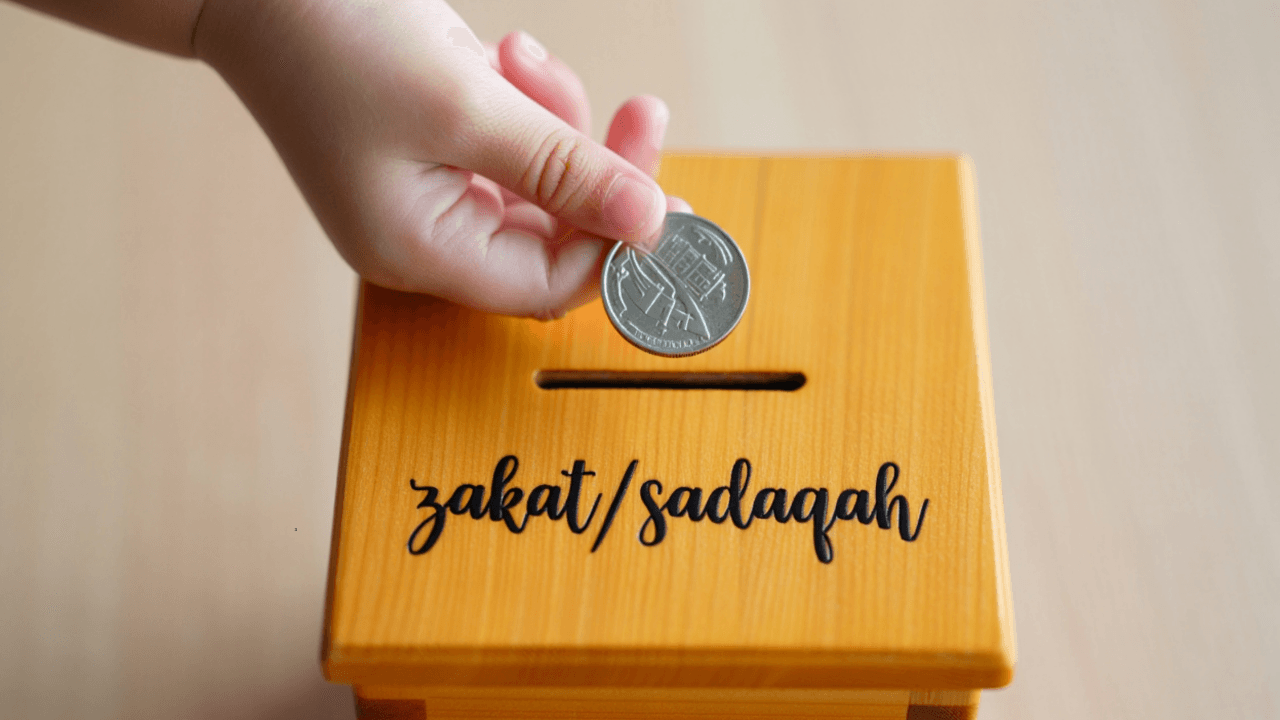
As Ramadan 2026 approaches (expected February 17 - March 18), millions of American Muslims are preparing to fulfill one of Islam's Five Pillars: Zakat. This comprehensive guide provides everything you need to know about Zakat obligations in 2026, including current Nisab values, US-specific tax implications, and trusted organizations for distribution.
Whether you're calculating Zakat for the first time or seeking clarity on complex situations like retirement accounts and business assets, this guide addresses the unique challenges facing Muslims in America.
Ready to compare halal options?
What is Zakat? The Third Pillar of Islam
Zakat (Arabic: زكاة) is the obligatory charitable giving that purifies wealth and redistributes resources to society's most vulnerable. As one of Islam's Five Pillars, Zakat is not merely charity - it's a fundamental religious obligation for every Muslim who meets specific wealth criteria.
Key Principles of Zakat:
• 2.5% rate on most eligible assets
• Annual obligation calculated once per lunar year
• Nisab threshold determines eligibility
• Purifies wealth and benefits society
• Divine reward promised for compliance
2026 Nisab Values: Current Thresholds
The Nisab represents the minimum wealth threshold that makes Zakat obligatory. Based on precious metals, Nisab values fluctuate with market prices. Here are the current ranges for 2026:
Gold Nisab (87.48 grams):
• Current range: $6,200 - $8,500
• Based on live gold prices of $2,100-$2,900/oz
Silver Nisab (612.36 grams):
• Current range: $550 - $750
• Based on live silver prices of $25-$35/oz
Scholarly Recommendation: Most Islamic scholars, including those at major US Islamic institutions, recommend using the silver Nisab as it's typically lower and ensures more people fulfill their Zakat obligation. This aligns with the Prophetic tradition of inclusivity in charitable obligations.
Use our Zakat Calculator 2026 for real-time Nisab values based on current precious metals prices.
What Assets Are Subject to Zakat?
Understanding which assets count toward your Zakat calculation is crucial for accurate compliance. Here's the complete breakdown:
Cash and Cash Equivalents (Zakatable):
• Bank account balances (checking, savings, money market)
• Cash on hand
• Certificates of deposit (CDs)
• Treasury bills and money market funds
Precious Metals and Jewelry (Zakatable):
• Gold and silver jewelry (worn or stored)
• Gold and silver coins/bullion
• Platinum and other precious metals
Investments and Securities (Zakatable):
• Stocks, bonds, and mutual funds
• ETFs and index funds
• Brokerage account holdings
• Cryptocurrency holdings
Retirement Accounts (Scholarly Difference):
Learn about zakat on retirement accounts including 401(k) and IRA.
• Mainstream US position: Zakatable at current withdrawal value
• Alternative position: Deferred until retirement/access
• Recommendation: Consult with Islamic scholars familiar with US retirement law
Business Assets (If You Own a Business):
• Business cash and bank accounts
• Inventory and trade goods (at market value)
• Accounts receivable due by Zakat date
Investment Real Estate (Zakatable):
• Rental property value
• Accumulated rental income
• Real estate investment trusts (REITs)
Personal Items (Not Zakatable):
• Primary residence
• Personal vehicles
• Clothing and household items
• Tools of trade/profession
• Books and personal electronics
Common Deductions: What Reduces Your Zakat Base
You can deduct certain debts and obligations from your total assets before calculating Zakat. Understanding these deductions can significantly impact your Zakat amount.
Immediately Due Debts (Deductible):
• Monthly mortgage payment due before Zakat date
• Credit card balances
• Utility bills and immediate expenses
• Rent due within the month
• Student loan payments due
Long-term Debts (Generally Not Deductible):
• Total mortgage balance (only deduct monthly payment)
• Car loan balances
• Total student loan balance
Important Note: Only deduct debts that are immediately payable. The Islamic principle is that you pay Zakat on wealth you currently possess minus obligations you must immediately fulfill.
US Tax Implications: Maximizing Your Zakat's Impact
One unique advantage for American Muslims is that Zakat can often qualify for tax deductions, effectively reducing the net cost of your charitable obligation.
Tax Deduction Requirements:
• Qualified Organizations: Donate to 501(c)(3) tax-exempt organizations
• Documentation: Keep receipts showing organization's tax-exempt status
• Large Donations: Gifts over $250 require written acknowledgment from recipient
• Timing: Deductible in the tax year when paid, not when obligation arose
Tax Savings Example:
If you're in the 22% tax bracket and pay $1,000 in Zakat to qualified organizations:
• Tax deduction: $1,000
• Tax savings: $220
• Net cost: $780
International Donations: Zakat sent to overseas organizations may not qualify for US tax deductions. Consider domestic organizations with international programs to maintain tax benefits while fulfilling global charitable goals.
Business Zakat: If you pay business Zakat, it may be deductible as a business expense rather than charitable contribution. Consult a tax professional for complex business situations.
Step-by-Step Zakat Calculation for 2026
Follow this systematic approach to calculate your Zakat accurately:
Step 1: Choose Your Nisab Standard
• Gold Nisab: ~$7,000-8,500 (higher threshold)
• Silver Nisab: ~$600-750 (lower threshold, recommended)
Step 2: Calculate Total Zakatable Assets
Top Providers for This Topic


Free to compare · No sign-up required
• Cash and bank accounts: $______
• Gold, silver, and precious items: $______
• Stocks, bonds, and investments: $______
• Retirement accounts (if applicable): $______
• Business assets (if applicable): $______
• Investment real estate: $______
• Total Assets: $______
Step 3: Subtract Immediately Due Debts
• Credit card balances: $______
Stay Updated
Get halal finance updates, new provider alerts, and expert insights
No spam ever. Unsubscribe in one click.
• Monthly bills due: $______
• Other immediate obligations: $______
• Total Deductions: $______
Step 4: Calculate Net Zakatable Wealth
• Net Wealth = Total Assets - Total Deductions
• Net Zakatable Wealth: $______
Step 5: Apply Nisab Test and Calculate Zakat
• If Net Wealth ≥ Nisab Threshold → Zakat Due = Net Wealth × 2.5%
• If Net Wealth < Nisab Threshold → No Zakat Due
Use our interactive Zakat Calculator for automated calculations with live Nisab values.
When to Pay Zakat: Ramadan 2026 Timing
While Zakat is due annually after your wealth has been above Nisab for a full lunar year (Hawl), many Muslims choose Ramadan for increased spiritual rewards.
Ramadan 2026 Dates:
• Expected Start: February 17, 2026 (Ramadan 1, 1448 AH)
• Expected End: March 18, 2026 (Eid al-Fitr)
• Optimal Timing: Last 10 nights of Ramadan (March 8-18) for maximum reward
Benefits of Ramadan Zakat:
• Increased spiritual reward during blessed month
• Synchronizes with heightened charitable giving season
• Allows early Zakat al-Fitr distribution
• Creates consistent annual Zakat date
Important: If your Hawl date falls outside Ramadan, you can pay Zakat early during Ramadan, but cannot delay beyond your Hawl date without valid reasons.
Trusted Organizations for Zakat Distribution
Choosing the right organization ensures your Zakat reaches eligible recipients effectively. Here are categories of trusted organizations:
National Islamic Organizations (501c3 Qualified):
• Islamic Society of North America (ISNA) - Comprehensive social services
• Islamic Relief USA - International humanitarian aid
• Muslim American Society (MAS) - Community development
• Helping Hand for Relief and Development - Global emergency response
Local Mosque and Community Centers:
• Check your local mosque's Zakat distribution program
• Ensures help reaches your immediate community
• Often provides tax-deductible receipts
Specialized Zakat-Focused Organizations:
• Zakat Foundation of America - Dedicated Zakat distribution
Related reading: Free Zakat Calculator · Zakat on Stocks Guide · Where to Give Zakat
• LaunchGood Zakat - Verified crowdfunding campaigns
• Local Islamic Centers - Direct community impact
Education and Scholarship Programs:
• Islamic Scholarship Fund - Student financial aid
• Local Islamic schools - Tuition assistance programs
• University Muslim student associations - Emergency funds
Verification Checklist:
✓ Confirm 501(c)(3) tax-exempt status
✓ Review financial transparency reports
✓ Ensure Zakat reaches eligible recipients
✓ Request receipts for tax deduction purposes
Special Situations: Complex Zakat Scenarios
Some wealth situations require additional consideration or scholarly consultation:
Mixed Halal/Haram Investments:
If you own stocks in companies with some impermissible activities, consult our detailed guide on Zakat for stocks or speak with an Islamic finance scholar.
Business Partnerships:
Each partner calculates Zakat on their proportional share of business assets. Coordinate with partners to avoid double-counting shared assets.
Real Estate Development:
Properties held for sale (development/flipping) are zakatable at market value. Properties held for rental income follow different rules.
Cryptocurrency:
Most scholars treat crypto like any other investment asset - zakatable at current market value if held for over a year.
International Assets:
Include foreign bank accounts, properties, and investments at current USD value. Consider reporting requirements for US tax purposes.
Frequently Asked Questions
Q: Do I pay Zakat on my primary residence?
A: No. Your primary residence is not subject to Zakat, regardless of its value. Only investment properties are zakatable.
Q: What if I can't afford to pay my full Zakat amount?
A: Zakat is only due if you have wealth above Nisab. If calculating correctly shows you owe Zakat, it must be paid. Consider payment plans with recipient organizations if needed.
Q: Can I give Zakat to non-Muslims?
A: Zakat must go to specific categories mentioned in the Quran, which generally includes Muslims. However, general charity (Sadaqah) can benefit anyone.
Q: Is there a maximum limit on Zakat?
A: No maximum. Zakat is 2.5% annually on all eligible wealth above Nisab, regardless of amount.
Q: Can I pay Zakat monthly instead of annually?
A: Yes, you can pay in installments as long as you complete the full annual obligation by your Zakat date.
Conclusion: Fulfilling Your Zakat Obligation in 2026
Zakat represents both a spiritual obligation and a practical tool for economic justice. As American Muslims navigate unique financial circumstances - from retirement accounts to tax implications - understanding Zakat's proper calculation and distribution becomes increasingly important.
Key Takeaways for 2026:
• Use current Nisab values based on live precious metals prices
• Consider US tax benefits when choosing recipient organizations
• Include retirement accounts and modern assets in calculations
• Consult Islamic scholars for complex situations
• Document donations for tax deduction purposes
Compare providers in your state
See side-by-side comparisons of Shariah-compliant products, or let our matcher recommend the best options for your situation.
Remember that Zakat is more than a financial transaction - it's a means of spiritual purification and social solidarity. By fulfilling this obligation correctly, you contribute to Islam's vision of economic justice while earning divine reward.
May Allah accept your Zakat and multiply its rewards. Start your calculation today with our free Zakat Calculator 2026.