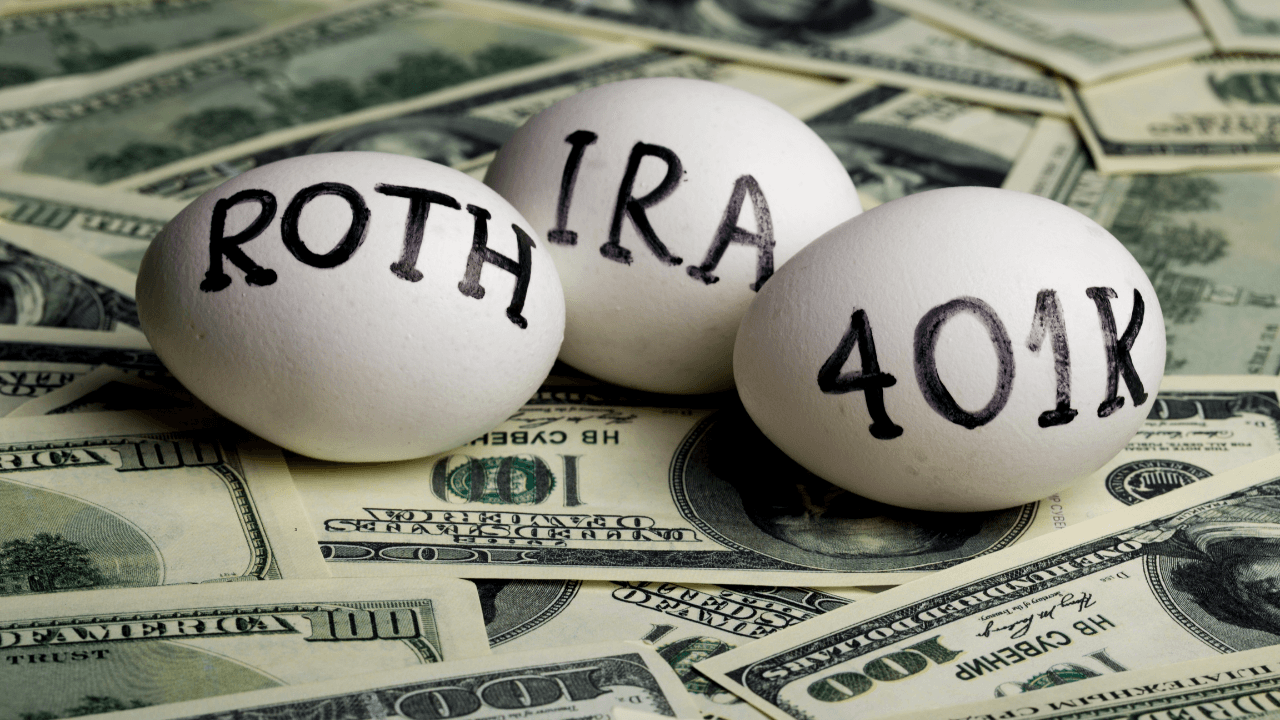
Many Muslims in the United States save for retirement through accounts like a 401(k) or an Individual Retirement Account (IRA).
This raises an important question: do you need to pay zakat on retirement accounts that you cannot easily access until retirement?
The answer depends on how scholars interpret ownership, access, and liquidity of retirement funds.
Before diving into retirement accounts specifically, it helps to understand the basic rules of zakat:
Ready to compare halal options?
What Is a 401(k) or IRA?
A 401(k) and IRA are retirement investment accounts that allow individuals to invest money for long-term retirement savings.
Funds inside these accounts are typically invested in stocks, mutual funds, or ETFs.
If you are unsure whether common investments are halal, see:
The Core Zakat Question
The main issue scholars debate is whether zakat should apply to money that you technically own but cannot easily access without penalties.
Since retirement accounts are designed to be accessed later in life, scholars have developed different approaches to calculating zakat.
Opinion 1: Pay Zakat Every Year
Some scholars argue that retirement funds are still your property, even if they are locked inside a retirement account.
Under this view, zakat is due every year on the zakatable portion of the account.
Typically, this means calculating zakat on the current value of the investments.
Opinion 2: Pay Zakat Only When Withdrawn
Other scholars argue that zakat should only be paid when the funds are actually received.
Because retirement accounts often include withdrawal penalties and restrictions, this opinion treats them as inaccessible wealth until retirement.
Under this view, zakat would be paid once the funds are withdrawn.
Opinion 3: Pay Zakat on the Withdrawable Portion
A third approach calculates zakat on the amount that could realistically be withdrawn after penalties and taxes.
This approach attempts to reflect the actual accessible value of the retirement account.
Example Zakat Calculation
Suppose a Muslim investor has $100,000 in a 401(k) invested in halal funds.
If following the first opinion, zakat would be calculated as 2.5% of the account value.
This would equal $2,500 in zakat for that year.
If following other opinions, the calculation may differ depending on accessibility and withdrawal timing.
Are 401(k) Investments Halal?
Top Providers for This Topic



Free to compare · No sign-up required
Another important question is whether the investments inside the retirement account comply with Islamic finance principles.
Many 401(k) plans include conventional mutual funds that may not meet Islamic screening standards.
Some Muslims choose to invest in halal ETFs instead.
Get every halal provider graded (free PDF)
Every US halal provider graded on Shariah integrity, transparency, and value - the full scorecard PDF, plus alerts when grades change
No spam ever. Unsubscribe in one click.
Learn more here:
And if you want to build a Shariah-compliant retirement portfolio:
building a halal ETF portfolio
Platforms That Offer Halal Retirement Investing
Several platforms allow Muslims to build halal retirement portfolios using Shariah-screened investments.
These platforms often help investors avoid companies that generate income from interest, gambling, alcohol, or other prohibited industries.
Popular halal investing platforms include:
- Wahed Invest
- Amana Mutual Funds
- Shariah screened ETF portfolios
Read our platform review:
Common Mistakes Muslims Make With Zakat and Retirement
- Ignoring retirement savings entirely when calculating zakat
- Not reviewing whether investments are halal
- Assuming zakat rules are identical for every type of investment
You can also learn more about zakat on investments here:
Frequently Asked Questions
Do you pay zakat on a 401(k)?
Many scholars believe zakat should be calculated annually on retirement savings, while others say it is only due once funds are withdrawn.
Do you pay zakat on an IRA?
IRAs follow the same scholarly discussions as 401(k)s, since both accounts contain long-term investments.
Do employer contributions count toward zakat?
If the funds belong to you and are vested, many scholars consider them part of your zakatable wealth.
The Bottom Line
Whether zakat applies to retirement accounts like 401(k)s and IRAs depends on scholarly interpretation and personal circumstances.
Many Muslims choose to calculate zakat annually on the account balance, while others wait until the funds are withdrawn.
Compare providers in your state
See side-by-side comparisons of Shariah-compliant products, or let our matcher recommend the best options for your situation.
If you want to learn more about halal investing and retirement planning, explore: