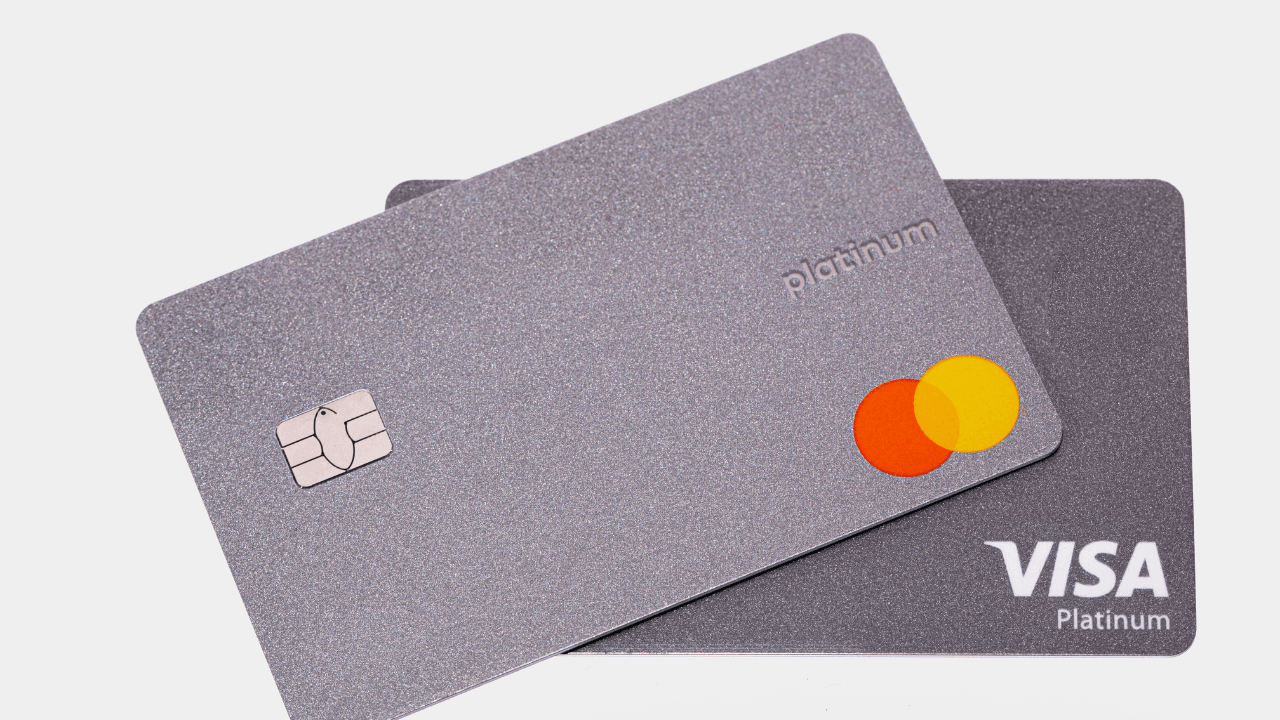
Mastercard is one of the most recognized brands in the world. Muslim investors who see it in popular portfolios and indexes often want to know: is it actually permissible to own? The answer is yes.
Mastercard (MA) is Shariah-compliant per AAOIFI guidelines. Zoya screens it as halal. The company earns network fees, not interest. Its financial ratios are within acceptable limits. For Muslim investors, it's one of the cleanest large-cap names you can find in a screened portfolio.
Ready to compare halal options?
What is Mastercard?
Mastercard is a global payment technology company. It provides transaction processing, credit and debit card solutions, cross-border payment infrastructure, cybersecurity tools, and digital identity services. The company's brands include Mastercard, Maestro, and Cirrus. Annual revenue is around $32.8 billion. Mastercard operates the network. It doesn't issue cards, hold deposits, or lend money. Banks and financial institutions issue Mastercard-branded cards under a license.
How Zoya screens Mastercard for Shariah compliance
Zoya applies the AAOIFI (Accounting and Auditing Organization for Islamic Financial Institutions) methodology, the same standard used by halal investors worldwide. The screen runs in two parts.
Business activity: Mastercard's core operations are payment processing and network services. The prohibited sectors under AAOIFI include alcohol, pork, gambling, weapons, tobacco, and interest-based financial services. Payment network operations don't fall into any of these categories.
Financial ratios: AAOIFI requires that non-compliant income (primarily interest) stays below 5% of total revenue, and that debt stays within defined thresholds. Mastercard's interest income is 0% of revenue. It earns through service fees, processing fees, and data analytics products. The debt structure is within AAOIFI limits.
Why Mastercard passes Shariah screening
The business model is the key. Mastercard connects merchants, cardholders, and banks through its network. Every transaction generates a fee. No part of that process involves lending money or earning interest. The interest you pay if you carry a balance on a Mastercard-branded card goes to your issuing bank, not to Mastercard.
This is the same reason Visa passes screening. Both companies operate as payment networks, not as lenders. The card network and the card issuer are two different businesses. A conventional bank can issue a Mastercard and charge riba on balances. Mastercard the company collects a processing fee and nothing else.
Mastercard's interest income is zero as a percentage of revenue, its debt ratios clear AAOIFI thresholds, and its business activity is fully permissible. All three filters pass.
What should Muslim investors do?
Verify the screening in Zoya before you buy. Compliance status reflects a company's financials at a point in time. Mastercard's business model has been stable for years, but checking takes less than a minute and protects you if anything changes.
Top Providers for This Topic



Free to compare · No sign-up required
If you're comparing Mastercard and Visa side by side, that's a reasonable way to approach portfolio construction. Both pass halal screening. The decision between them comes down to standard investment analysis, not compliance. A good place to start that broader research is the HalalWallet investing hub.
For Muslim investors who are new to screening individual stocks and want to understand the process before buying names like Mastercard, how to start investing halal with $500 is a practical starting point.
Bottom line
Mastercard is halal. The fee-based network model means no interest income, permissible business activity, and financial ratios within AAOIFI limits. It passes the same way Visa does, for the same reasons. Confirm via Zoya before you buy and revisit periodically. If you want to see how it fits into a broader halal portfolio strategy, halal investing for high earners covers portfolio construction at a more detailed level.
Frequently asked questions
Is Mastercard the same as Visa from a Shariah perspective?
Nearly identical. Both operate payment networks and earn fees rather than interest. Both pass AAOIFI screening. The compliance reasoning is the same for each. The investment decision between them is a financial question, not a religious one.
Do the banks that issue Mastercard cards affect its compliance status?
No. Mastercard licenses its brand to card issuers. Those issuers are separate companies. If a conventional bank issues a Mastercard and charges interest on balances, that's the bank's business model, not Mastercard's. Shariah screening looks at Mastercard's own revenue and operations.
What screening tools can I use to verify Mastercard's compliance?
Zoya and Musaffa are the two main halal stock screeners used by Muslim investors in the U.S. Both apply AAOIFI methodology. The Zoya app review covers how Zoya works if you haven't used it before.
Can Mastercard's compliance status change?
Yes. If Mastercard expands into interest-bearing products or its debt structure changes materially, the screening result could shift. This is unlikely given its current business model, but checking via Zoya before each purchase is the right habit.
Compare providers in your state
See side-by-side comparisons of Shariah-compliant products, or let our matcher recommend the best options for your situation.
Is Mastercard included in halal ETFs?
Some halal ETFs include Mastercard in their holdings. Whether it's included depends on the individual fund's Shariah board and screening methodology. The best halal stocks for 2026 covers which names commonly appear in screened portfolios and funds.