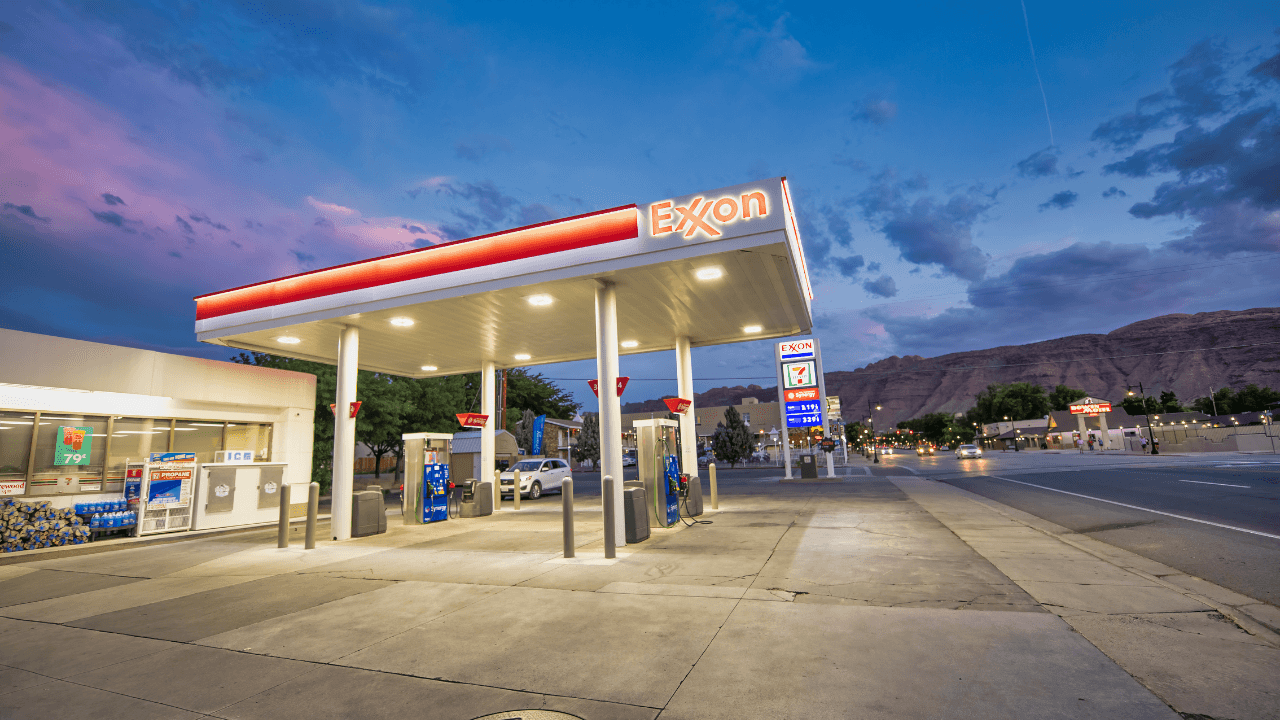
Muslim investors looking at energy stocks often stop at ExxonMobil and wonder if it's permissible. The question is fair. The short answer: it passes.
ExxonMobil (XOM) is Shariah-compliant per AAOIFI guidelines, and Zoya screens it as halal. Oil and gas extraction and refining is a permissible business activity. The company earns virtually no interest income, and its financial ratios clear AAOIFI thresholds. There's a separate conversation about environmental values, but from a Shariah compliance standpoint, XOM passes.
Ready to compare halal options?
What is ExxonMobil?
ExxonMobil is a global energy company with roots going back to 1870 as Standard Oil. Headquartered in Spring, Texas, it operates across four segments: Upstream (oil and gas exploration and production), Energy Products (fuels and refining), Chemical Products (petrochemicals), and Specialty Products (lubricants and other materials). Revenue runs around $323.9 billion annually. It's one of the largest publicly traded companies in the world by market cap.
How Zoya screens ExxonMobil for Shariah compliance
Zoya uses AAOIFI (Accounting and Auditing Organization for Islamic Financial Institutions) methodology, the global standard for Islamic finance compliance. This involves two separate filters.
First, business activity: the company's core operations must be permissible. Prohibited sectors include alcohol, pork, gambling, weapons, tobacco, and interest-based financial services. ExxonMobil's business is energy, specifically extracting, refining, and selling petroleum products. That's permissible under AAOIFI.
Second, financial ratios: non-compliant income (like interest) must stay below 5% of total revenue, and debt must stay within acceptable thresholds. ExxonMobil's interest income is essentially zero as a percentage of revenue. Its debt structure is within bounds. Both filters pass.
Why ExxonMobil passes Shariah screening
Energy extraction and petroleum products are permissible business activities under AAOIFI. Nothing in ExxonMobil's four business segments touches alcohol, gambling, weapons, or conventional financial services. The company sells fuel, chemical products, and specialty materials. These are real, tangible goods and services with no Islamic prohibition.
On the financial side, XOM's interest income is negligible relative to its $323.9 billion revenue base. The sheer scale of its operating income from energy products means the interest income ratio stays far below the 5% threshold. Debt ratios also clear AAOIFI limits.
Some Muslim investors have personal concerns about fossil fuels and environmental impact. That's a values-based consideration, and it's a legitimate one. But AAOIFI methodology screens for Islamic principles (riba, prohibited business activities, excessive debt) and environmental impact isn't part of the framework. Whether you layer in ESG considerations on top of Shariah screening is your call.
What should Muslim investors do?
Confirm the current screening status in Zoya before you buy. Compliance can shift if a company's revenue mix or balance sheet changes. For a large, stable company like ExxonMobil the risk of a sudden compliance change is low, but checking takes 30 seconds and costs nothing.
Top Providers for This Topic



Free to compare · No sign-up required
If you want sector exposure to energy without individual stock risk, the investing hub at HalalWallet covers halal ETF options for energy exposure, including sector ETFs that have been screened for Muslim investors.
For context on the broader methodology, what makes a stock halal explains AAOIFI's business activity and financial ratio screens in plain terms. Worth reading if you're making these decisions regularly.
Bottom line
ExxonMobil passes Shariah screening. Energy extraction is permissible, interest income is negligible, and the balance sheet is within AAOIFI limits. The environmental question is separate from compliance and something you'll need to decide for yourself. If you want to understand how XOM fits alongside other screened large-caps, the best halal stocks for 2026 is a solid reference.
Frequently asked questions
Is oil and gas investing considered halal in Islam?
Under AAOIFI guidelines, yes. Extracting, refining, and selling petroleum products is a permissible business activity. There's no Islamic prohibition on energy as a sector. Halal investors who also care about ESG may choose to avoid it for environmental reasons, but that's a personal values decision, not a Shariah compliance ruling.
Does ExxonMobil earn interest income?
Essentially none relative to its total revenue. With over $300 billion in annual revenue from energy operations, any interest income is a rounding error. It sits well below the 5% threshold AAOIFI requires for compliance.
How does XOM compare to Chevron for Muslim investors?
Both pass Shariah screening for the same reasons: permissible business activity, minimal interest income, and acceptable debt ratios. They're often discussed together as the two major U.S. integrated energy stocks that clear halal screening.
Is there a halal ETF that includes ExxonMobil?
Some halal energy ETFs do include energy sector exposure. The screening at the ETF level is done by the fund's Shariah board. The HalalWallet investing hub covers which halal ETFs include energy exposure and how they screen their holdings.
Compare providers in your state
See side-by-side comparisons of Shariah-compliant products, or let our matcher recommend the best options for your situation.
Should I use Zoya or Musaffa to check XOM?
Both apply AAOIFI methodology and will give you a compliance verdict. The Zoya vs Musaffa comparison breaks down how the two screeners differ if you're deciding which to use day to day.