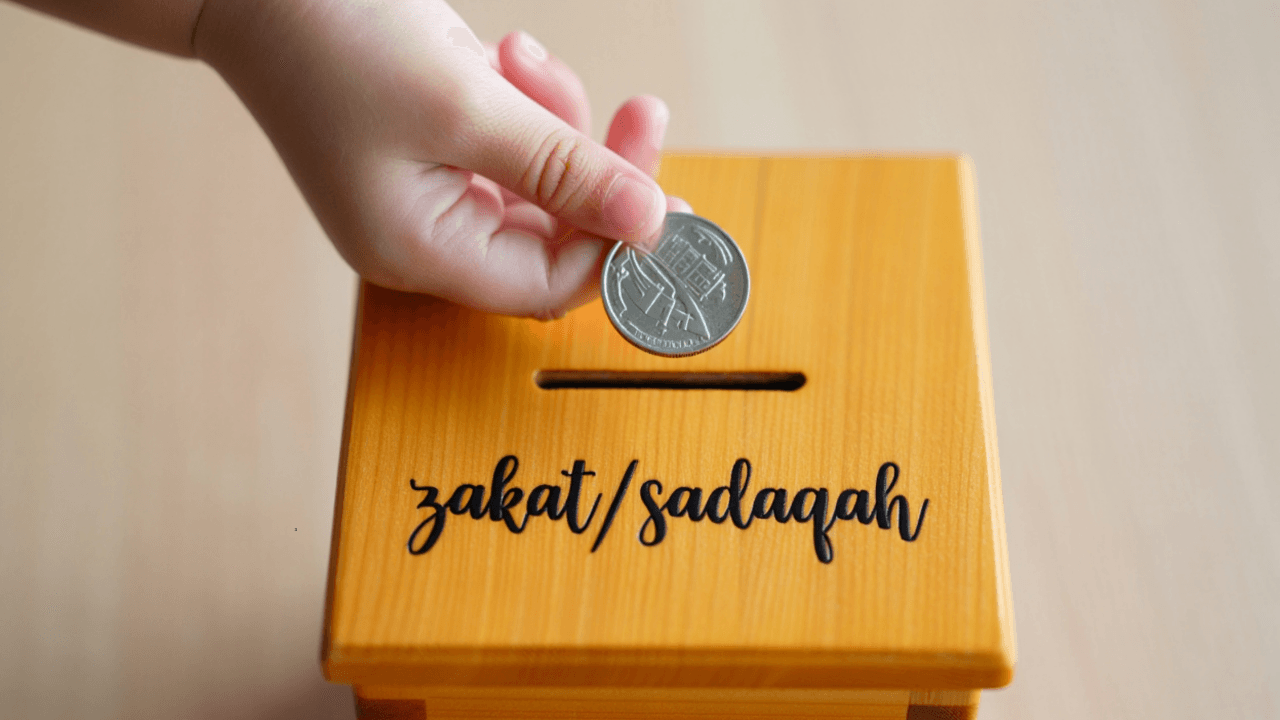
One of the most common zakat questions is simple: what do I actually have to pay zakat on - and what’s exempt?
Many Muslims worry they’re either overpaying or missing something important, especially when it comes to big assets like their home.
The good news is that Islamic guidelines are clear once you understand the principle: zakat is only due on wealth that is meant to grow.
Ready to compare halal options?
What Does ‘Zakatable’ vs ‘Exempt’ Mean?
Zakat applies to assets that are considered productive or held for growth - such as savings, investments, and business inventory.
Assets used for personal living are generally exempt.
If you want a full breakdown of how zakat is calculated, start here:
Is Your Primary Residence Subject to Zakat?
Your primary home - the place you live - is not subject to zakat.
This includes the value of the property itself, regardless of how much it has appreciated.
Even if your home increases significantly in value, it is still considered a personal-use asset, not an investment.
Common Assets That Are Exempt From Zakat
In general, assets used for daily living are exempt.
- Your primary residence
- Personal vehicles
- Clothing and household items
- Furniture and appliances
- Personal electronics
- Tools used for your job
These items are not held for growth - they are used for living - so zakat does not apply.
When Assets Become Zakatable
The intention behind an asset matters.
If an asset is held for investment or resale, it may become zakatable.
- Rental properties (depending on structure)
- Properties held for resale (flipping)
- Business inventory
- Investment accounts and savings
What About Rental Properties?
Rental properties themselves are generally not subject to zakat.
However, the income they generate is.
This means you typically pay zakat on:
- Net rental income saved
- Cash flows accumulated over the year
Zakat on Modern Assets (Stocks & Crypto)
Stay Updated
Get halal finance updates, new provider alerts, and expert insights
No spam ever. Unsubscribe in one click.
Modern assets are almost always zakatable because they are held for growth.
This includes:
- Stocks and ETFs
- Crypto holdings
- Cash savings
If you hold crypto specifically, read:
Why This Matters for Muslims in the U.S.
Many Muslims in the U.S. have wealth tied up in homes, retirement accounts, and investments.
Understanding what is exempt prevents overpaying zakat while ensuring you fulfill your obligation correctly.
The Easiest Way to Get This Right
Instead of trying to manually calculate everything, it’s much easier to use a structured approach.
Use our calculator to break down your assets properly:
Common Questions
Do I pay zakat on my house?
No, your primary residence is exempt from zakat.
Do I pay zakat on my car?
No, personal-use vehicles are exempt.
Do I pay zakat on investment property?
Typically no on the property itself, but yes on the income it generates.
The Bottom Line
Zakat is not meant to apply to everything you own - only to wealth that is held for growth.
Compare providers in your state
See side-by-side comparisons of Shariah-compliant products, or let our matcher recommend the best options for your situation.
Your home, personal belongings, and essential items are exempt.
Understanding this distinction helps you give accurately and with confidence.