As more Muslims look for halal ways to invest, one question keeps coming up: is Bitcoin actually halal?
Some see it as a clean alternative to traditional finance. Others view it as speculation with no real underlying value.
The reality sits somewhere in between - and understanding that nuance is critical before you invest.
Ready to compare halal options?
Why Bitcoin Even Enters the Halal Conversation
One of the biggest challenges Muslim investors face is avoiding riba (interest).
Modern financial systems are deeply tied to interest - whether through savings accounts, bonds, or lending-based business models.
This has led many Muslims to look for alternatives that operate outside of that framework.
What Makes Bitcoin Different?
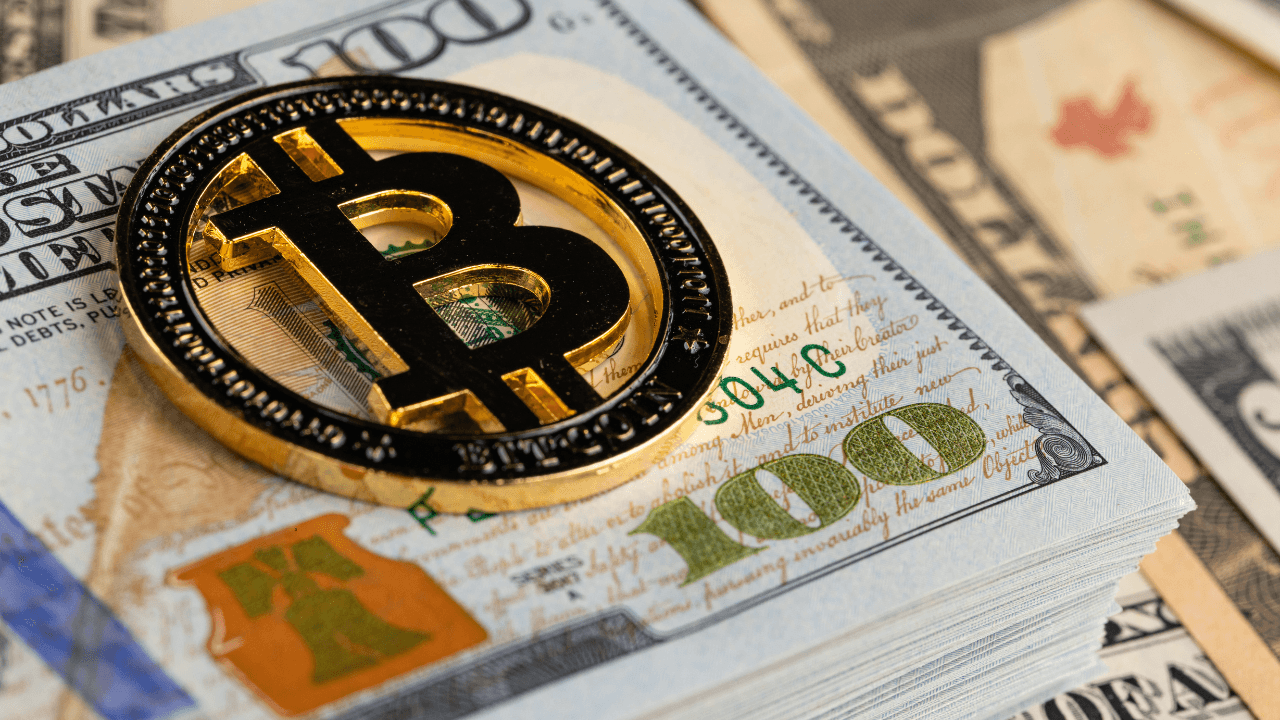
Bitcoin is not a company, and it does not generate income like stocks or real estate.
Instead, it is a digital asset with a fixed supply and no central authority controlling issuance.
Unlike traditional money systems, it is not created through lending or interest-based mechanisms.
Is Bitcoin Halal or Haram?
Scholarly opinions on Bitcoin are mixed.
Some scholars consider it permissible because it can function as a store of value and medium of exchange, and because it is not inherently tied to interest.
Others raise concerns about volatility, speculation, and the absence of intrinsic value.
Because of this, Bitcoin is often treated as a gray-area asset rather than something universally accepted as halal.
Where Bitcoin Can Go Wrong
- Speculative trading (short-term flipping and leverage)
- Treating it like gambling rather than investing
- Using interest-based platforms to buy or lend crypto
- Overexposure to a highly volatile asset
Even if an asset is considered permissible, how you use it still matters.
Bitcoin vs Halal Stocks
Top Providers for This Topic



Free to compare · No sign-up required
Bitcoin and stocks play very different roles in a portfolio.
Stocks represent ownership in real businesses that generate value and cash flow.
Stay Updated
Get halal finance updates, new provider alerts, and expert insights
No spam ever. Unsubscribe in one click.
Bitcoin, on the other hand, is primarily a store-of-value asset with price driven by supply and demand.
If you're building a halal portfolio, understanding this difference is key:
Should Muslims Own Bitcoin?
For many investors, Bitcoin can be viewed as a small, high-risk allocation rather than a core holding.
It may offer diversification and exposure to a different type of asset - but it should not replace productive investments like equities or businesses.
A More Practical Approach
Instead of asking whether Bitcoin is completely halal or haram in isolation, a better question is:
How does it fit into a broader halal financial strategy?
Most balanced portfolios focus on:
- Halal stocks or ETFs
- Real assets like property
- Cash management without riba
- Optional exposure to alternative assets like crypto
If you’re starting from scratch, this is a better entry point:
How to build a halal ETF portfolio
The Bottom Line
Bitcoin is not a clear-cut yes or no.
Some scholars allow it, others are cautious. What matters most is how you approach it.
Compare providers in your state
See side-by-side comparisons of Shariah-compliant products, or let our matcher recommend the best options for your situation.
Used responsibly and as part of a broader strategy, it may have a place in a halal portfolio. Treated as a shortcut to quick profits, it quickly crosses into problematic territory.
As always, the goal is not just to grow wealth - but to do so in a way that aligns with your values.