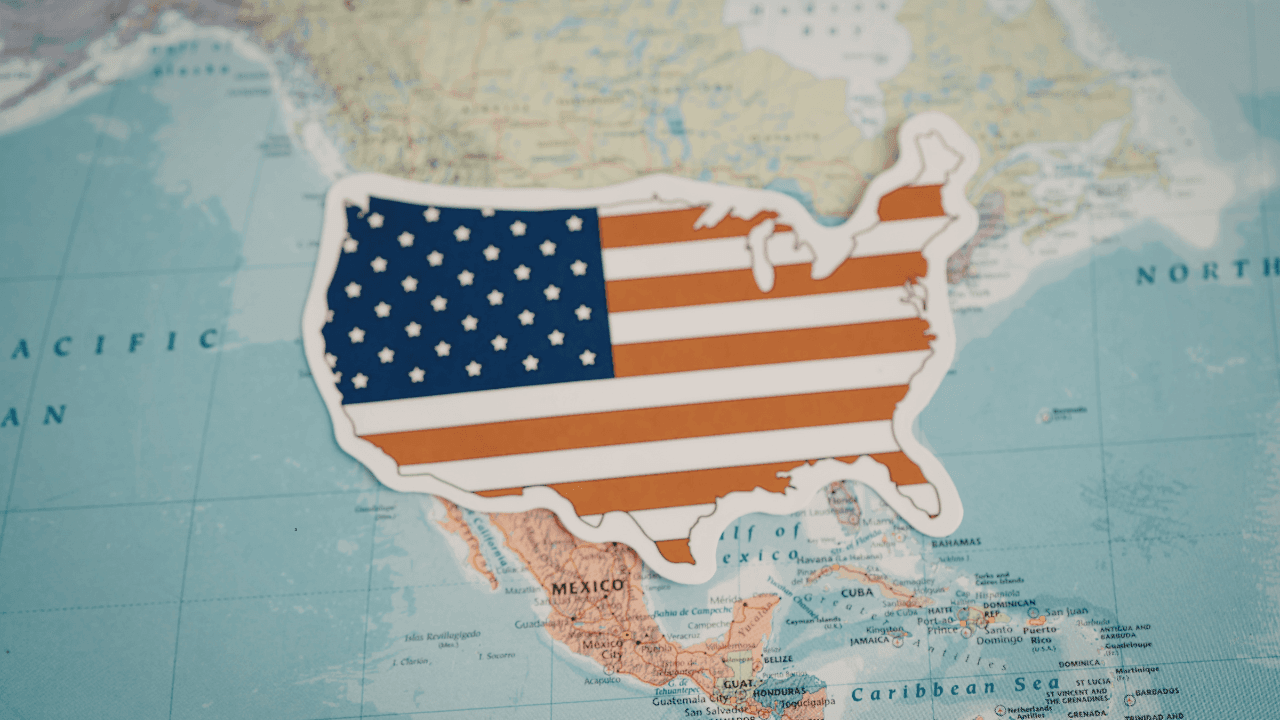
The Muslim population in the United States has grown steadily over the past few decades, but it’s not evenly distributed across the country.
Some areas have well-established communities with mosques, schools, and halal infrastructure. Others have smaller, more dispersed populations.
If you're planning a move or thinking about buying a home, understanding where Muslim communities are concentrated can make a major difference in your experience.
Ready to compare halal options?
Where Muslim Communities Are Most Established
There isn’t a single “Muslim city” in the U.S., but there are clear clusters where communities have grown over time.
States like New York, New Jersey, Illinois, Michigan, and California tend to have some of the largest and most visible Muslim populations. These areas offer a mix of cultural diversity, economic opportunity, and established religious infrastructure.
At the city level, places like New York City, Houston, Philadelphia, Dearborn, and Los Angeles are often considered key hubs.
Why Location Matters More Than Just Numbers
Population size alone doesn’t determine whether a location is a good fit. What matters more is how that community is structured and what resources are available.
For many families, access to mosques, halal grocery stores, and Islamic schools plays a major role in deciding where to live.
These factors become even more important if you're planning to settle long-term or raise a family.
How This Connects to Home Buying
If you're buying a home, choosing the right location is just as important as choosing the property itself.
Many buyers start by looking at price and financing, but lifestyle factors - including community and environment - often have a bigger long-term impact.
Before making a decision, it’s worth understanding how halal home financing works so you can align your budget with the areas you're considering.
Key Factors to Evaluate Beyond Community Size
Once you’ve identified areas with a Muslim presence, the next step is narrowing down the right neighborhood.
School quality is often one of the biggest considerations. Even if you don’t have children today, strong school districts tend to support long-term property value.
Accessibility is another major factor. Proximity to work, groceries, and daily essentials can significantly affect your quality of life.
You should also consider how the area aligns with your financial situation. Costs can vary dramatically between cities and even between neighborhoods in the same city.
Get every halal provider graded (free PDF)
Every US halal provider graded on Shariah integrity, transparency, and value - the full scorecard PDF, plus alerts when grades change
No spam ever. Unsubscribe in one click.
Affordability vs Community Tradeoffs
One of the biggest tradeoffs buyers face is balancing affordability with community access.
Some of the strongest Muslim communities are located in higher-cost areas, which can make homeownership more challenging.
In these cases, understanding your financing options becomes critical. You can explore different providers in our guide to the best Islamic mortgage companies in the U.S. to see what’s realistic for your situation.
Different Communities, Different Cultures
It’s also important to recognize that Muslim communities in the U.S. are not uniform.
Some areas are heavily South Asian, others are predominantly Arab, African American, or a mix of multiple backgrounds.
This can influence everything from language and food availability to the types of community organizations present.
Planning a Move the Right Way
If you’re relocating, it’s worth spending time in a neighborhood before committing. Visit local mosques, explore nearby businesses, and get a feel for the community.
You should also align your housing strategy early. If you’re planning to buy, understanding the full process - including pre-approval - can help you move quickly when the right opportunity comes up.
If you’re not there yet, review our guide to Islamic mortgage pre-approval to understand what lenders look for.
The Bottom Line
There is no single “best” place for Muslims to live in the U.S. - but there are clear patterns in where communities have developed.
The right choice depends on your priorities: community, affordability, career opportunities, and long-term lifestyle.
Compare providers in your state
See side-by-side comparisons of Shariah-compliant products, or let our matcher recommend the best options for your situation.
By combining location research with the right financing strategy, you can find a place that fits both your values and your financial goals.
To start building your plan, explore our halal home financing hub and compare your options before making a move.