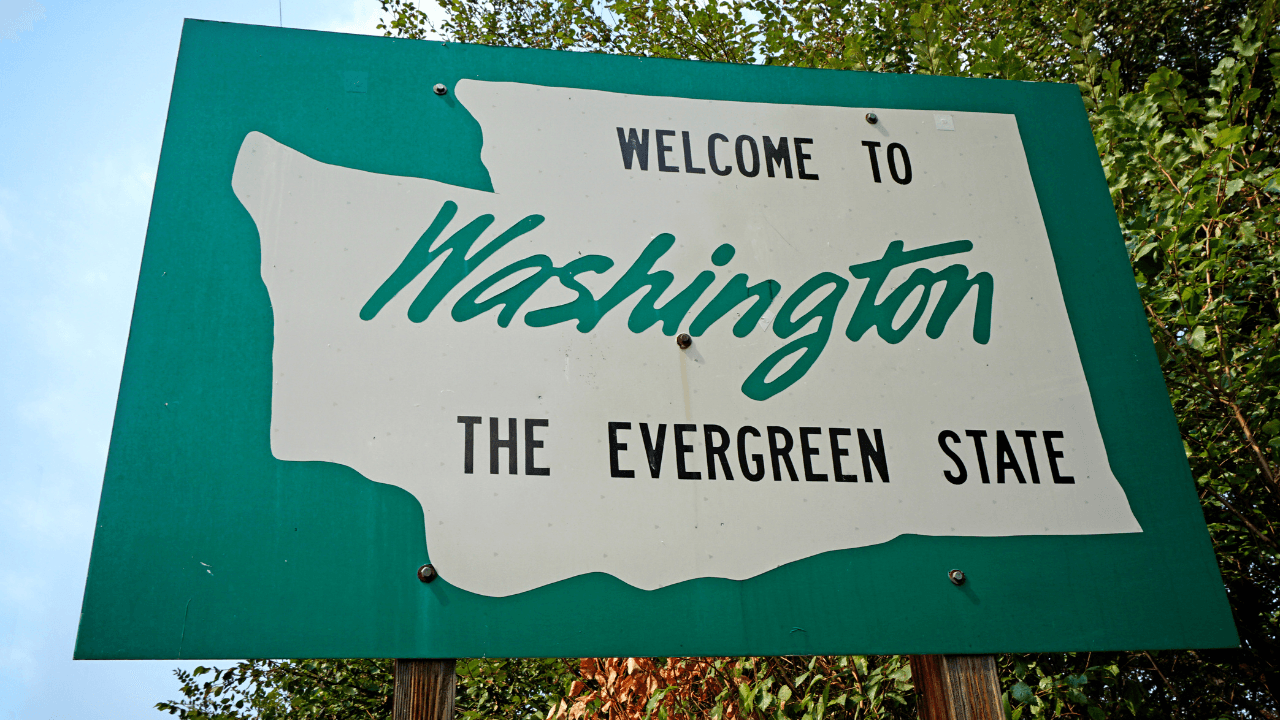
Muslim homebuyers in Washington State have full access to halal home financing in 2026. Guidance Residential, Ijara CDC, and UIF all serve the state. The Muslim community in the Seattle metro is substantial and diverse, drawing from East African, Somali, South Asian, and Arab communities. The challenge isn't provider availability — it's home prices. King County is one of the most expensive real estate markets in the country, which makes the down payment calculus significantly harder than in markets like Michigan, Indiana, or Georgia.
Ready to compare halal options?
Providers serving Washington State
Guidance Residential covers Washington State and has financed homes across the Seattle metro. Their diminishing musharakah structure requires a minimum 3% down payment for qualified buyers. Given the high cost of homes in King County, that 3% figure is larger in absolute terms than almost anywhere else in the country.
University Islamic Financial (UIF) also serves Washington. Their 3% minimum down and diminishing musharakah structure are comparable to Guidance's. UIF's Ann Arbor-based team has national reach, and their experience with high-cost markets is relevant for buyers in the Seattle area.
Ijara CDC covers all 50 states including Washington. Their ijarah structure and typically 3.5-5% down payment requirement are an option for buyers who want a different shariah structure or who are working with a provider that has specific experience in their sub-market. In high-cost markets like Seattle, Ijara CDC's flexibility on structure can be useful.
Where Muslim buyers are buying in Washington
The Somali and East African Muslim community in the Seattle metro is concentrated in the southern suburbs: SeaTac, Tukwila, Renton, Kent, Burien, and Federal Way. These communities are large and established, and real estate activity in these areas includes meaningful Islamic financing volume. Renton and Kent in particular have enough Muslim homebuyers that local real estate agents and title companies have closed these transactions before.
The South Asian Muslim community is heavier in the Eastside suburbs: Bellevue, Redmond, Kirkland, and Issaquah. Tech workers from Microsoft, Amazon, and smaller firms make up a significant portion of this buyer pool. These buyers typically have strong income and credit profiles, but face home prices that are among the highest in the state.
North Seattle, Shoreline, and Lynnwood also have Muslim communities worth noting, and Pierce County (Tacoma) has a smaller but active Muslim homebuyer population.
What homes actually cost in Washington State
King County (Seattle, Bellevue, Renton, Redmond) median home prices run approximately $750,000-$850,000 as of early 2026. The conforming loan limit for King County is $977,500, which reflects how far above the national average these prices sit. At 3% down on a $750,000 home, you're looking at $22,500 — and that's before closing costs. At 5% down, it's $37,500.
Snohomish County (Lynnwood, Bothell, Marysville) and Pierce County (Tacoma) are more affordable, with medians closer to $550,000-$650,000. For buyers who need full coverage from King County and can't find anything affordable, adjacent counties are worth looking at seriously. For context on how Seattle compares to other Muslim homebuyer markets, see the California halal mortgage guide — the affordability challenges are similar.
Washington State law and Islamic financing
Top Providers for This Topic
Free to compare · No sign-up required
Washington does not have specific laws that complicate Islamic home financing. The co-ownership and lease-to-own structures used by the major providers are valid in the state. Title companies in Seattle, Bellevue, and Renton have processed Islamic financing transactions and understand the structure.
Is Washington a practical state for halal homebuyers
Provider coverage is full — that's the positive. The affordability reality is difficult. A first-time buyer working with a modest down payment budget is going to have a hard time in King County. The buyers who tend to make Islamic financing work in the Seattle metro are those with significant savings built up through years of tech salaries, or buyers who are looking in Pierce County, Snohomish County, or the more affordable southern suburbs like Kent and Federal Way where prices are more in the $450,000-$550,000 range.
For a broader look at provider options before reaching out, start at the HalalWallet home financing comparison. It lists all three providers with their structures, down payment minimums, and coverage. Also worth reading: Are Halal Mortgages More Expensive? for context on how halal profit rates compare to conventional rates in a market like Seattle.
Frequently asked questions
Which halal home financing providers serve Washington State?
Guidance Residential, University Islamic Financial (UIF), and Ijara CDC all serve Washington State. All three accept 3-5% down depending on your credit and the provider, and all three use shariah-compliant structures.
Is halal home financing available in Seattle?
Yes. All three major providers serve the Seattle metro. The challenge in Seattle isn't provider availability — it's home prices. King County's high prices mean larger absolute down payments even at the 3% minimum.
What is the conforming loan limit in King County, Washington?
The conforming loan limit in King County is $977,500, reflecting the area's high home prices. Homes above this limit require jumbo financing, which may not be available through all halal providers. Contact each provider directly if your target home exceeds the conforming limit.
Compare providers in your state
See side-by-side comparisons of Shariah-compliant products, or let our matcher recommend the best options for your situation.
Where are the most affordable areas for Muslim buyers in Washington?
Pierce County (Tacoma, Federal Way), southern King County (Kent, Renton, Auburn), and Snohomish County (Lynnwood, Marysville) offer lower entry prices than central Seattle or Eastside Bellevue. These areas also have established Muslim communities, making them practical alternatives.