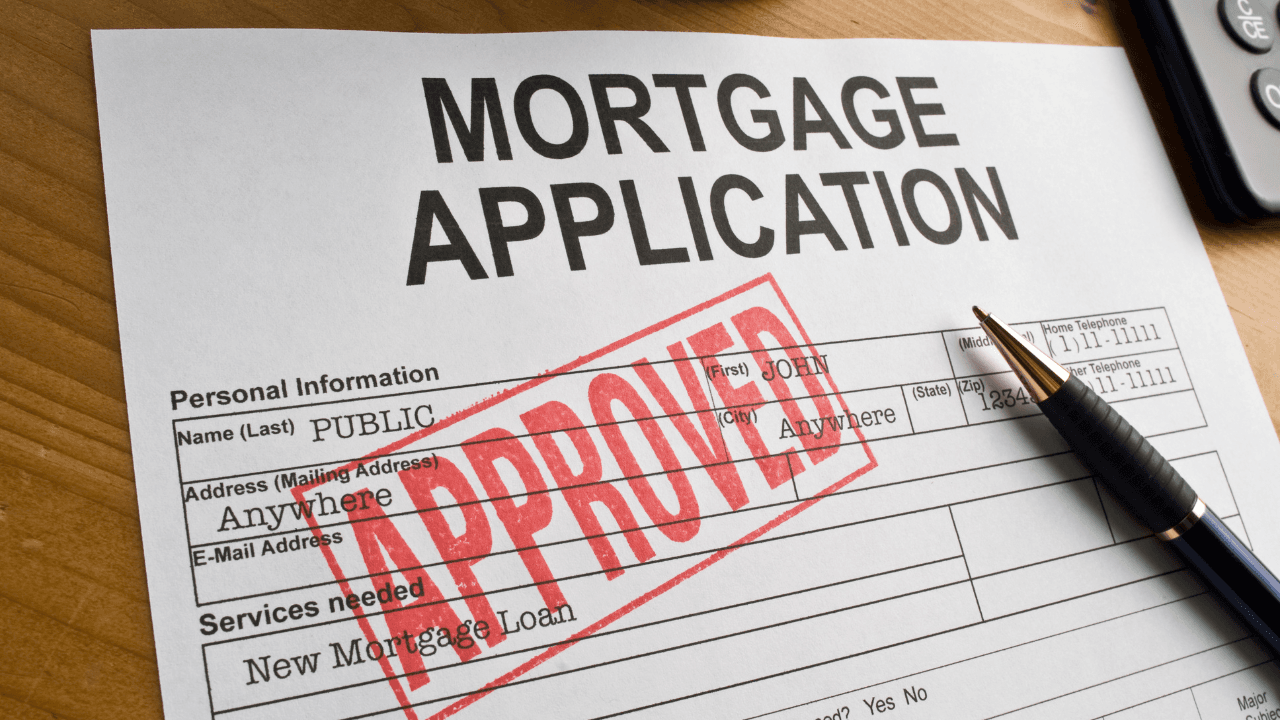
A common question for Muslim homebuyers in the U.S. is simple: are halal mortgages more expensive than conventional ones?
The honest answer is that they sometimes are, but not always. The difference usually comes down to how Islamic financing works behind the scenes and how these providers access capital.
Understanding why pricing can differ is key to making a smart and informed decision when choosing a halal mortgage.
Ready to compare halal options?
Quick Answer: Are Halal Mortgages More Expensive?
In some cases, halal mortgages can be slightly more expensive than conventional loans. However, the difference is often smaller than many people expect and depends heavily on the provider, structure, and current market conditions.
In competitive markets, some Islamic financing options can be very close in pricing to conventional mortgages.
Why Halal Mortgages Can Cost More
There are several structural reasons why halal mortgages can sometimes come at a higher cost compared to conventional financing.
1. Cost of Capital
Islamic finance providers do not operate within the same interest-based system as traditional banks. Because of this, they often have more limited or specialized sources of funding, which can increase their cost of capital.
2. Smaller Market Size
The Islamic finance market in the U.S. is still relatively small. Fewer providers means less competition, which can impact pricing compared to the highly competitive conventional mortgage market.
3. Structural Complexity
Halal mortgages are structured differently, using models like Murabaha, Ijara, or diminishing Musharakah. These asset-based structures can involve more legal work, documentation, and operational complexity.
4. Limited Secondary Markets
Conventional mortgages benefit from large secondary markets where loans are bought and sold, which helps lower costs. Islamic financing does not always have the same level of access to these markets, which can affect pricing.
Top Providers for This Topic

Free to compare · No sign-up required
Why Halal Mortgages Are Not Always More Expensive
Despite these factors, halal mortgages are not always significantly more expensive.
Stay Updated
Get halal finance updates, new provider alerts, and expert insights
No spam ever. Unsubscribe in one click.
Many providers price their products in line with market benchmarks, meaning their rates can move similarly to conventional mortgage rates.
In some cases, especially with well-established providers, the difference in total cost can be minimal.
What You Are Actually Paying For
When comparing halal and conventional mortgages, it is important to understand that the structure itself is different.
Islamic financing is typically asset-based, meaning the transaction is tied directly to the property rather than a loan with interest.
For many buyers, the decision is not just about cost, but also about how the financing is structured and whether it aligns with their financial and personal preferences.
How to Find the Most Affordable Halal Mortgage
If you are looking for the most affordable option, comparison is key.
Start by reviewing multiple providers and understanding which structure they use. You can compare options directly on our halal home financing comparison.
It also helps to understand how each structure works before choosing a provider. If you are new, you can read our full guide to Islamic financing.
Finally, your personal financial profile still matters. Your credit score, income, and down payment will all impact the pricing you receive. Learn more in our guide on why credit scores matter in Islamic financing.
The Bottom Line
Halal mortgages can sometimes be slightly more expensive, but the gap is often smaller than expected and depends on the provider and structure.
Compare providers in your state
See side-by-side comparisons of Shariah-compliant products, or let our matcher recommend the best options for your situation.
For most buyers, the decision comes down to balancing cost, structure, and personal preference.
The best approach is to compare options, understand how each model works, and choose the one that fits your situation.