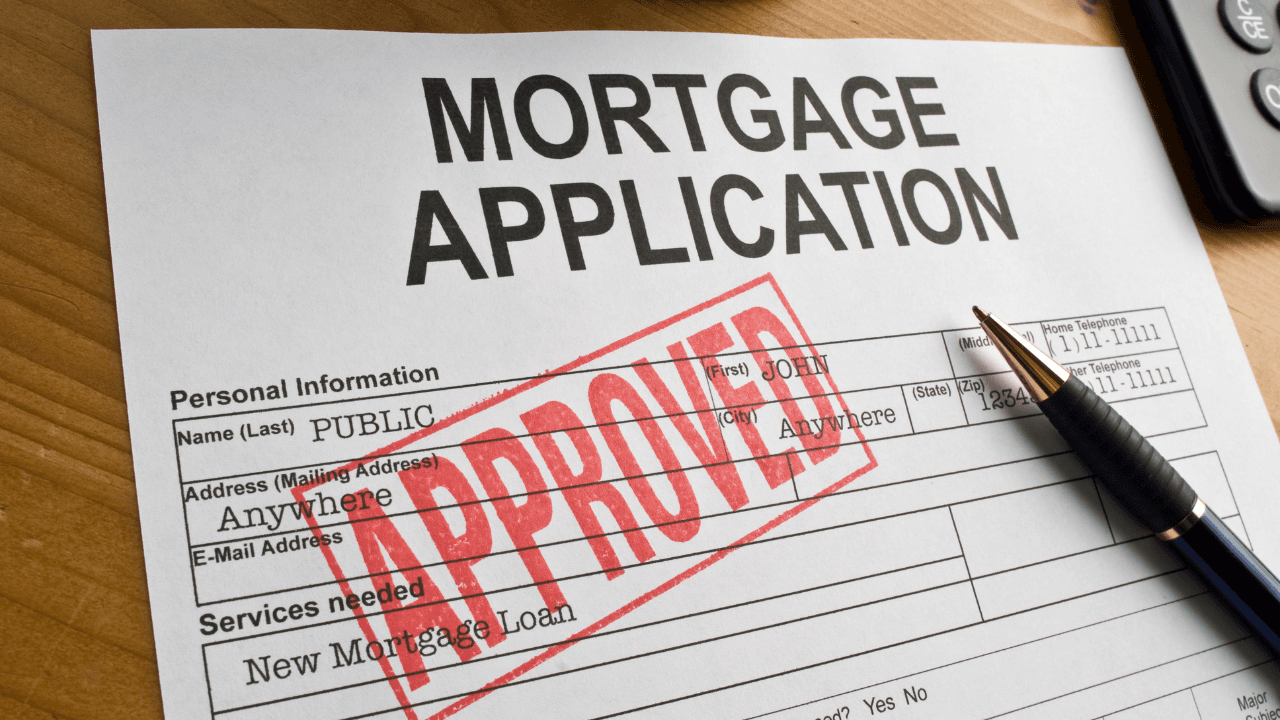
If you’re trying to buy a home the halal way, one of the biggest surprises is this: your credit score still matters.
Even though Islamic home financing avoids riba (interest), it still operates within the broader U.S. financial system - and that system relies heavily on credit.
Understanding how credit scores fit into Islamic financing is key to getting approved and securing a good deal.
Ready to compare halal options?
Do Credit Scores Matter in Islamic Home Financing?
Yes - credit scores are one of the most important factors Islamic lenders use when evaluating your application.
Even though the structure of the financing is different from a conventional mortgage, the risk assessment process is very similar.
Lenders still need to determine whether you are likely to make consistent payments over time.
If you’re new to how Islamic mortgages work, start here:
Why Credit Scores Still Matter (Even Without Interest)
Islamic home financing replaces interest with structures like Murabaha (cost-plus financing) or Diminishing Musharakah (partnership-based ownership).
But even in these models, the provider is still taking on risk by financing a large portion of the home.
Your credit score helps answer a simple question: how reliable are you as a borrower?
That affects:
- Whether you get approved
- How much you can finance
- Your down payment requirements
- The pricing or profit rate offered
What Credit Score Do You Typically Need?
Most Islamic home financing providers in the U.S. look for a credit score of at least 620–680.
Stronger applicants - typically 700+ - tend to receive better terms and more flexibility.
If you want a deeper breakdown of ranges and expectations, read:
Halal Financing Credit Score Requirements
Top Providers for This Topic

Free to compare · No sign-up required
Is Building Credit Haram?
This is one of the most common concerns Muslims have.
Stay Updated
Get halal finance updates, new provider alerts, and expert insights
No spam ever. Unsubscribe in one click.
A credit score itself is not haram - it’s simply a measurement of your financial behavior.
What matters is how you build that credit.
Using interest-based products irresponsibly can be problematic, but many scholars allow the use of credit tools if they are managed carefully and interest is avoided.
If you’re unsure, this article breaks it down clearly:
How to Improve Your Credit Before Applying
If your score isn’t where it needs to be, improving it can make a major difference in your approval odds.
Focus on the fundamentals:
- Pay all bills on time
- Keep credit utilization low
- Avoid opening too many new accounts
- Check your report for errors
Even small improvements can significantly impact your financing options.
Choosing the Right Islamic Lender
Not all Islamic financing providers evaluate credit the same way.
Some are more flexible, while others follow stricter underwriting guidelines.
Comparing providers is one of the most important steps in the process:
Best Halal Mortgage Companies in the USA
The Bottom Line
Islamic home financing avoids interest - but it doesn’t avoid financial discipline.
Compare providers in your state
See side-by-side comparisons of Shariah-compliant products, or let our matcher recommend the best options for your situation.
Your credit score is still a key part of the approval process, and improving it can directly impact your ability to buy a home.
For most Muslims in the U.S., the goal isn’t to avoid the system entirely - it’s to navigate it in a way that aligns with your values.