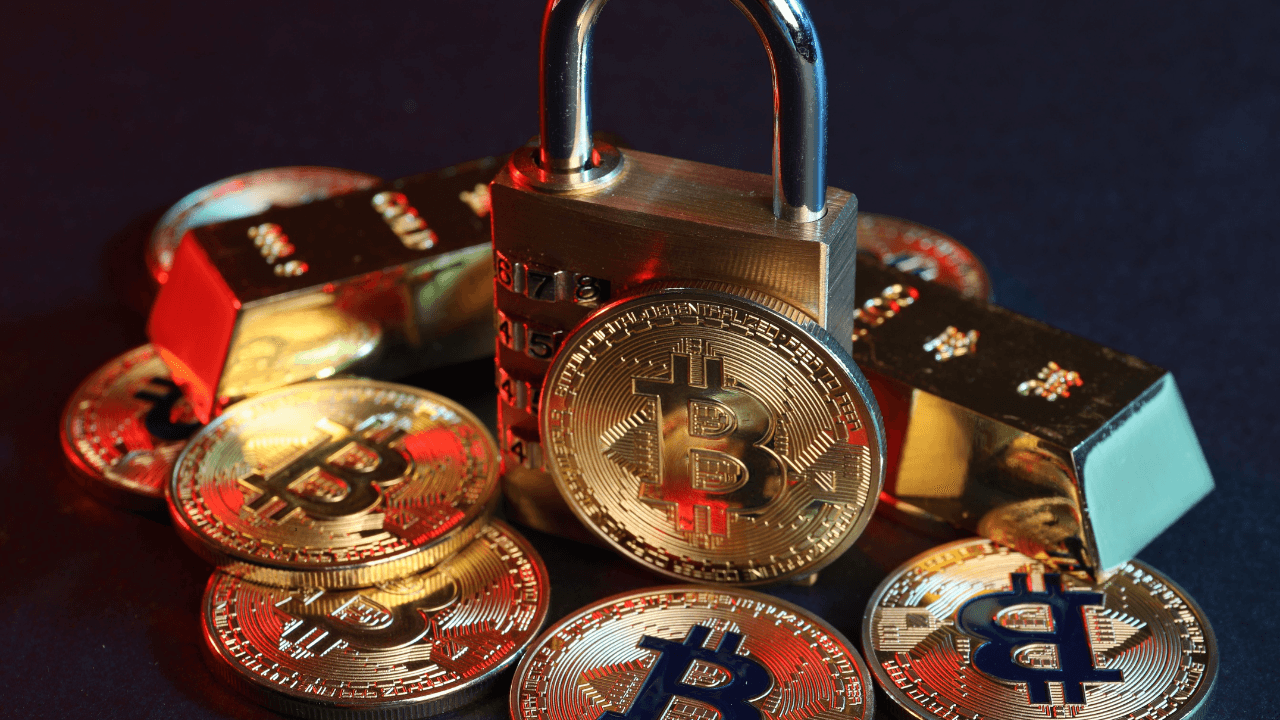
As cryptocurrency continues to grow, many Muslim investors are asking: is Ethereum halal?
Unlike Bitcoin, Ethereum is more than just a digital currency—it powers an entire ecosystem of applications, which makes the question more complex.
Ready to compare halal options?
What Makes Ethereum Different?
Ethereum is not just a store of value. It is a platform that enables smart contracts, decentralized applications, and financial systems.
Because of this, its permissibility depends not only on the asset itself, but also how it is used.
Is Ethereum Halal or Haram?
There is no single, universally agreed-upon ruling on Ethereum.
Most scholars approach it similarly to Bitcoin—as a gray-area asset that can be permissible under certain conditions.
If you haven’t read the Bitcoin breakdown, start here:
How Scholars Think About Ethereum
Scholarly analysis of crypto often focuses on core principles rather than specific coins.
For example, scholars like Mufti Faraz Adam have evaluated whether digital assets can qualify as property (mal) and whether they involve excessive uncertainty.
You can read that framework here:
At the institutional level, there is still no definitive ruling:
Key Concerns With Ethereum
Ethereum introduces additional considerations beyond Bitcoin.
- Use in decentralized finance (DeFi), which may involve interest
- Smart contracts that can enable non-compliant activities
- Speculative trading behavior
- Complexity and lack of clarity in some use cases
Because Ethereum is a platform, not just an asset, these risks vary depending on how it is used.
Top Providers for This Topic


Free to compare · No sign-up required
Is Staking Ethereum Halal?
Staking introduces another layer of complexity.
Some view staking rewards as similar to earning yield, which raises questions about whether it resembles interest.
Others argue it is a form of participation in network validation, which may be permissible.
Because of this, opinions vary—and caution is often recommended.
How Ethereum Fits Into a Halal Portfolio
Even among those who consider Ethereum permissible, it is typically treated as a higher-risk, smaller allocation.
Most halal portfolios prioritize productive assets like stocks and real businesses.
If you're building a strategy, start here:
How to Build a Halal Portfolio
Zakat on Ethereum
If you hold Ethereum, it is generally treated as a zakatable asset.
You can learn exactly how it’s calculated here:
Evaluate Your Investments
If you’re unsure whether a specific crypto or asset is appropriate, it helps to evaluate it within a broader framework.
You can check your portfolio here:
The Bottom Line
Ethereum is not a clear yes-or-no case in Islamic finance.
Compare providers in your state
See side-by-side comparisons of Shariah-compliant products, or let our matcher recommend the best options for your situation.
Like Bitcoin, it is often treated as a gray-area asset—potentially permissible depending on how it is used.
For most investors, the safest approach is to treat it as a small, carefully considered part of a broader halal strategy.