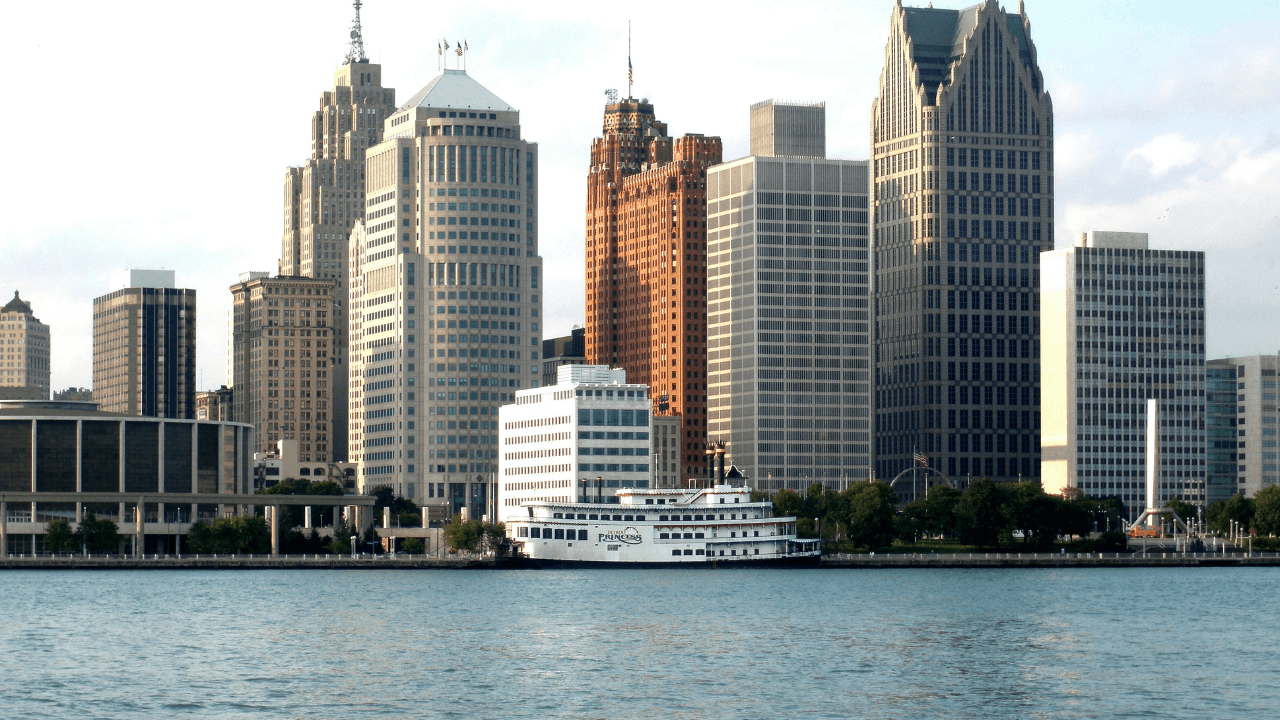
Michigan has a larger Arab-American and Muslim population than almost any other state in the country. Dearborn alone has been called the Arab capital of America. Sterling Heights, Hamtramck, Ann Arbor, Troy, and Detroit all have significant Muslim communities. And yet most Muslim buyers in the state don't know they have multiple legitimate halal home financing options available to them right now.
Here's what's actually available and how to use it.
Ready to compare halal options?
Which providers serve Michigan
Three major halal home financing providers operate in Michigan: UIF, Guidance Residential, and Ijara CDC.
UIF is headquartered in Ann Arbor. Michigan is their home market and where their track record runs deepest. They use diminishing musharakah — a co-ownership structure where your payments gradually buy out UIF's share of the property until it's fully yours. They accept as little as 3% down, offer 10, 15, 20, and 30-year terms, and charge no prepayment penalty. If you're buying in Michigan, UIF is the logical first call.
Guidance Residential is the largest halal home financing provider in the country by volume. They also operate in Michigan and use the same diminishing musharakah structure as UIF. Getting a quote from both UIF and Guidance Residential is worth the extra step — the profit rate difference over 30 years can add up to real money.
Ijara CDC covers all 50 states and uses an ijarah structure — a lease-to-own arrangement where the provider holds title and you build equity through monthly payments. It's a different structure from co-ownership and some scholars prefer it. Ijara CDC also finances properties up to $2 million and can work on homes under construction, which the other providers typically won't.
You can see all three providers and compare their state availability on the HalalWallet home financing page.
Down payment
UIF and Guidance Residential both accept 3% down for qualified buyers. Ijara CDC can go as low as 0% for rural properties or military buyers. For most buyers in metro Detroit or the Ann Arbor area, expect to put down at least 3-5%. The higher your down payment, the better your profit rate will be.
Top Providers for This Topic
Free to compare · No sign-up required
Credit score
The same credit score standards that apply to conventional mortgages apply here. Most providers want a minimum of 620-640 to approve financing. A score above 700 puts you in a strong position for better terms. Your credit score affects your profit rate, which affects your total cost over the life of the financing.
If your score isn't there yet, it's worth spending 6-12 months improving it before applying. The difference between a 650 and a 720 score can meaningfully change what you're offered.
How the process works
The process is similar to a conventional mortgage. You apply, provide income and asset documentation, get pre-approved, find a property, and close. The main difference is that instead of a lender funding a loan, the provider enters a co-ownership or lease arrangement with you. The paperwork looks different. The experience is familiar.
Michigan has no state-specific restrictions on Islamic financing structures. The legal framework in place since the early 2000s, when UIF first started operating here, has been stable. You're not navigating unusual legal territory.
What it costs compared to a conventional mortgage
Halal home financing is generally comparable in total cost to a conventional mortgage when you run the actual numbers. In some cases it's slightly more, in some cases it's comparable. None of these providers publish rate tables, so you can't compare until you get a real quote. Read Are Halal Mortgages More Expensive? for a full breakdown of how the pricing works.
Bottom line for Michigan buyers
Compare providers in your state
See side-by-side comparisons of Shariah-compliant products, or let our matcher recommend the best options for your situation.
Start with UIF. They're based here, they know the Michigan market, and they've been doing this for over 20 years. Get a quote from Guidance Residential at the same time. If you need more flexibility on loan size or a different structure, add Ijara CDC to your list.
Michigan is one of the best states in the country to buy a home through halal financing — the provider presence is strong and the Muslim community is large enough that real estate agents and title companies in Dearborn, Sterling Heights, and Ann Arbor have seen this process before. You're not breaking new ground. For a full comparison of all major halal providers, see the halal home financing comparison.