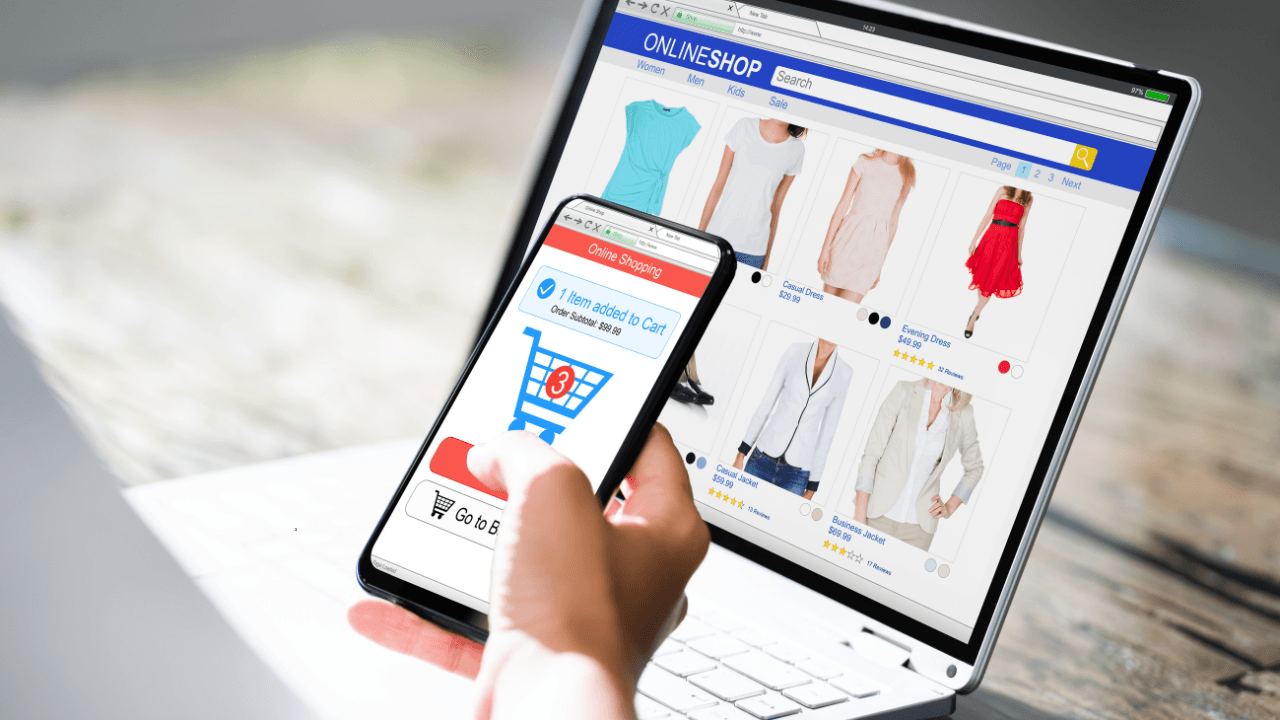
Many Muslims in America type the same search into Google every month: halal personal loan.
They may need help with medical bills, emergency expenses, debt consolidation, relocation costs, tuition gaps, family support, or temporary cash flow.
The problem is that most people searching for halal personal loans expect a market that does not really exist.
In 2026, true personal loan options structured clearly around Islamic principles remain extremely limited in the United States.
That is frustrating, but it is better to understand reality than waste time chasing misleading marketing.
For a broader overview of the market, read What Is Halal Financing?
Ready to compare halal options?
Why this category is so difficult
Personal loans are much harder to structure than home financing.
A home purchase involves a real asset with collateral. A business loan may involve revenue, equipment, or commercial purpose.
A personal loan is often unsecured cash given directly to a borrower for flexible use.
That creates several problems at once: higher default risk, smaller loan sizes, shorter duration, less collateral, and fewer ways to structure profit without resembling conventional lending.
That is one reason many institutions avoid the category entirely.
Why demand is still real
Scarcity of supply does not mean lack of demand.
Millions of Americans rely on personal loans, credit cards, or lines of credit to manage life events and temporary stress.
Muslim consumers face the same realities, but with fewer options they feel comfortable using.
That leaves many people stuck between urgent need and religious concern.
What usually appears in search results
When people search halal personal loans, they often find one of four things.
First, conventional lenders using loose marketing language.
Second, community lending circles or family-based support.
Third, nonprofit or charitable qard hasan style efforts with very limited scale.
Fourth, unrelated financing products that are not true personal loans.
That is why many consumers feel confused after researching for hours.
The qard hasan reality
Many Muslims are familiar with qard hasan, an interest-free benevolent loan model.
In principle, this is one of the cleanest answers to emergency lending needs.
In practice, it is hard to scale nationally. Someone must provide capital, manage defaults, verify need, service borrowers, and sustain operations without traditional loan economics.
That is why qard hasan models are meaningful, but often limited.
Why banks have not solved this
Large banks already earn strong returns from conventional credit cards and personal lending.
Redesigning unsecured lending for a niche market with different rules is difficult, expensive, and operationally complex.
That means most banks have little incentive to lead here.
Get every halal provider graded (free PDF)
Every US halal provider graded on Shariah integrity, transparency, and value - the full scorecard PDF, plus alerts when grades change
No spam ever. Unsubscribe in one click.
This same issue helps explain why America still lacks strong everyday alternatives like halal credit cards.
Read more in Why America Still Has No Great Halal Credit Card
What consumers are doing instead
Many Muslim consumers solve the problem through practical workarounds.
They build emergency savings. They borrow from family. They use employer payment plans. They delay purchases. They downsize expenses. They sell assets. They avoid debt entirely where possible.
These are not always easy solutions, but they are common.
Why emergency savings matters more than ever
Because halal personal loan options remain weak, emergency savings becomes even more important for Muslim households.
Cash reserves can reduce the need to choose between urgent expenses and uncomfortable financing.
For long-term wealth building beyond cash reserves, review Halal ETFs.
Could fintech eventually solve this?
Possibly.
A strong fintech solution might combine underwriting technology, transparent fixed-fee models, payroll integration, budgeting tools, and values-based branding.
But even then, default risk and economics would remain real challenges.
The opportunity exists. Execution is the hard part.
What to watch out for
Consumers should be cautious of products marketed as halal without clear structure or transparent terms.
If a lender cannot explain how profit is earned, what fees exist, how defaults are handled, and why the product is different from conventional lending, caution is reasonable.
Consumers need clarity before commitment.
That is part of the reason comparison tools matter. Explore HalalWallet Score
My honest view
America does not currently have a mature halal personal loan market.
That may disappoint people searching for an easy answer, but honest information is more useful than fake lists of products that barely qualify.
The real short-term solution is often stronger savings, smarter budgeting, family/community support, and caution around debt.
Final thoughts
Halal personal loans in America remain one of the clearest gaps in the Islamic finance market.
Compare providers in your state
See side-by-side comparisons of Shariah-compliant products, or let our matcher recommend the best options for your situation.
Demand exists, but supply is still thin because unsecured lending is difficult to structure, risky to operate, and hard to scale.
That may change in the future. In 2026, consumers are still largely navigating the gap on their own.