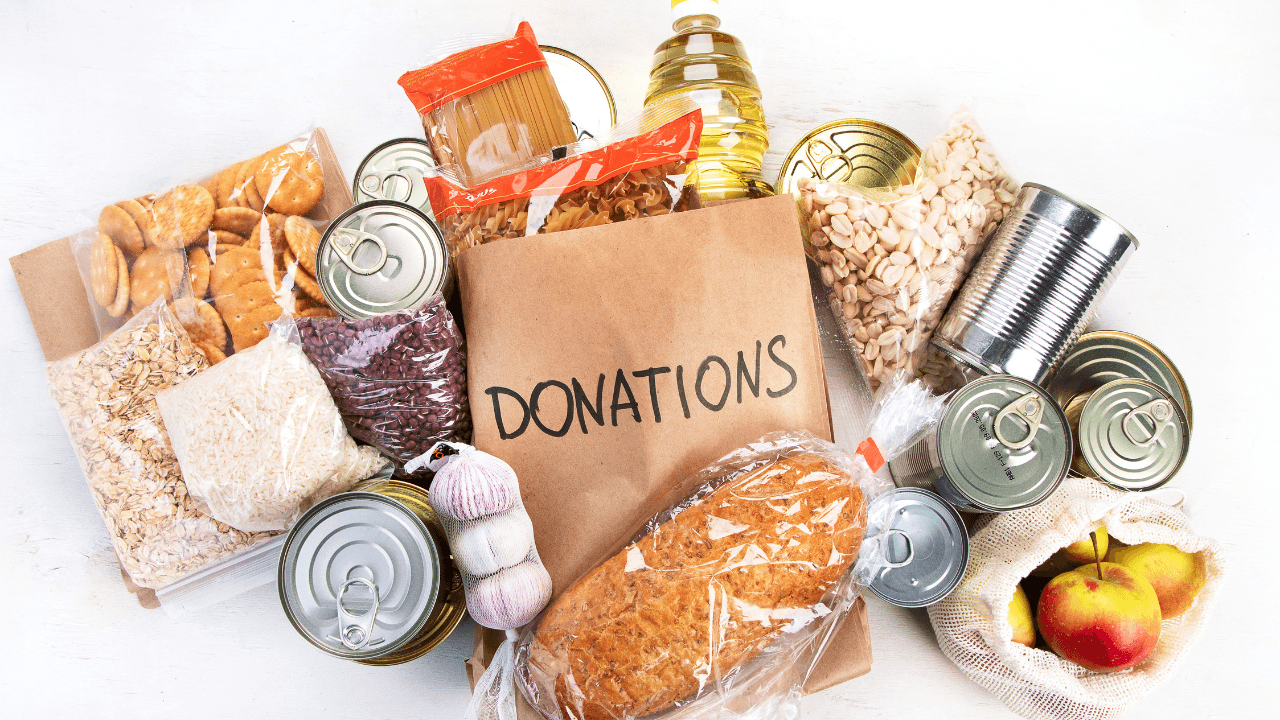
When an earthquake hits, a flood wipes out a village, or a family in Syria runs out of food, speed and reach matter more than almost anything else. Baitulmaal is a U.S.-based Muslim charity that has built its work around exactly those moments - emergency response and food security in the world's most vulnerable Muslim communities.
Founded in 2003 and headquartered in Irving, Texas, Baitulmaal is a 501(c)(3) nonprofit that operates across crisis regions internationally. Their name, which means "treasury" or "house of wealth" in Arabic, reflects the traditional Islamic concept of community resources held in trust for those in need. The organization has spent over two decades focusing on food aid, emergency relief, and orphan support.
Ready to compare halal options?
What does Baitulmaal focus on?
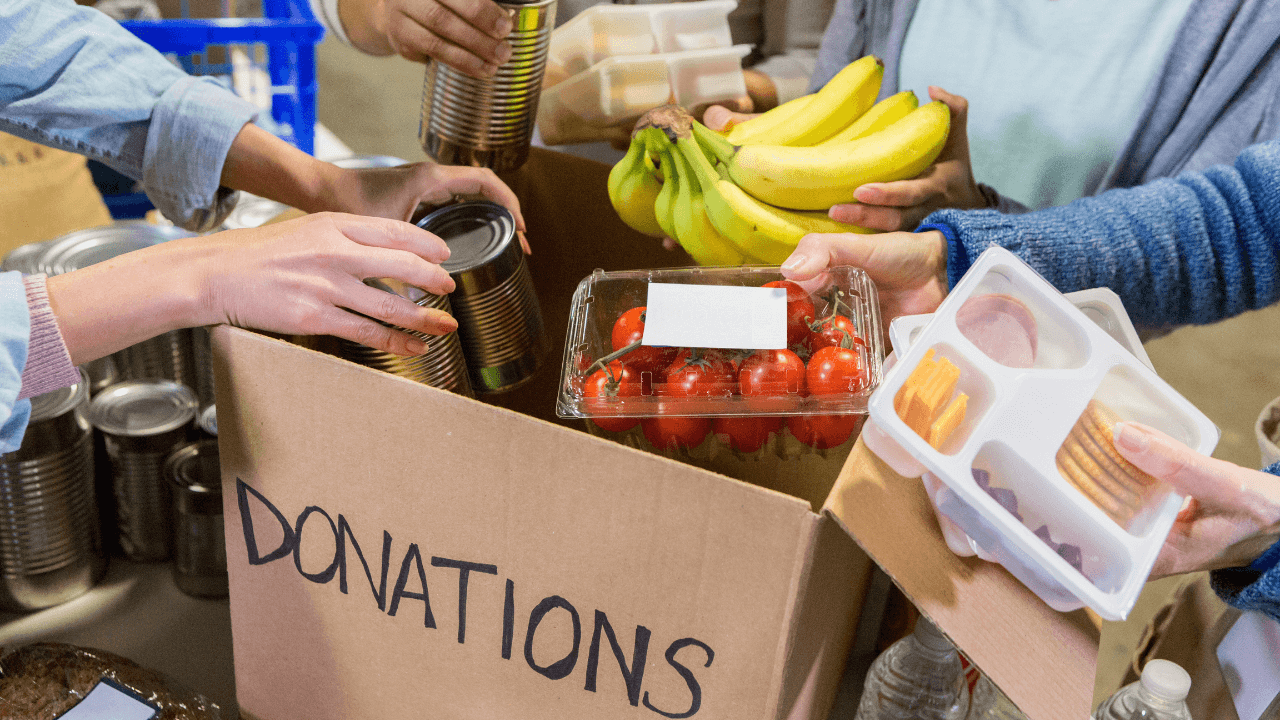
Baitulmaal's work falls into three main areas: emergency relief, food security, and orphan care. Emergency relief means responding when disasters strike - conflict, floods, earthquakes, displacement. Food security programs are more sustained: regular food distributions, Ramadan food packages, and ongoing support for families in food-insecure situations. Orphan care includes sponsorship programs for orphaned children across conflict-affected regions.
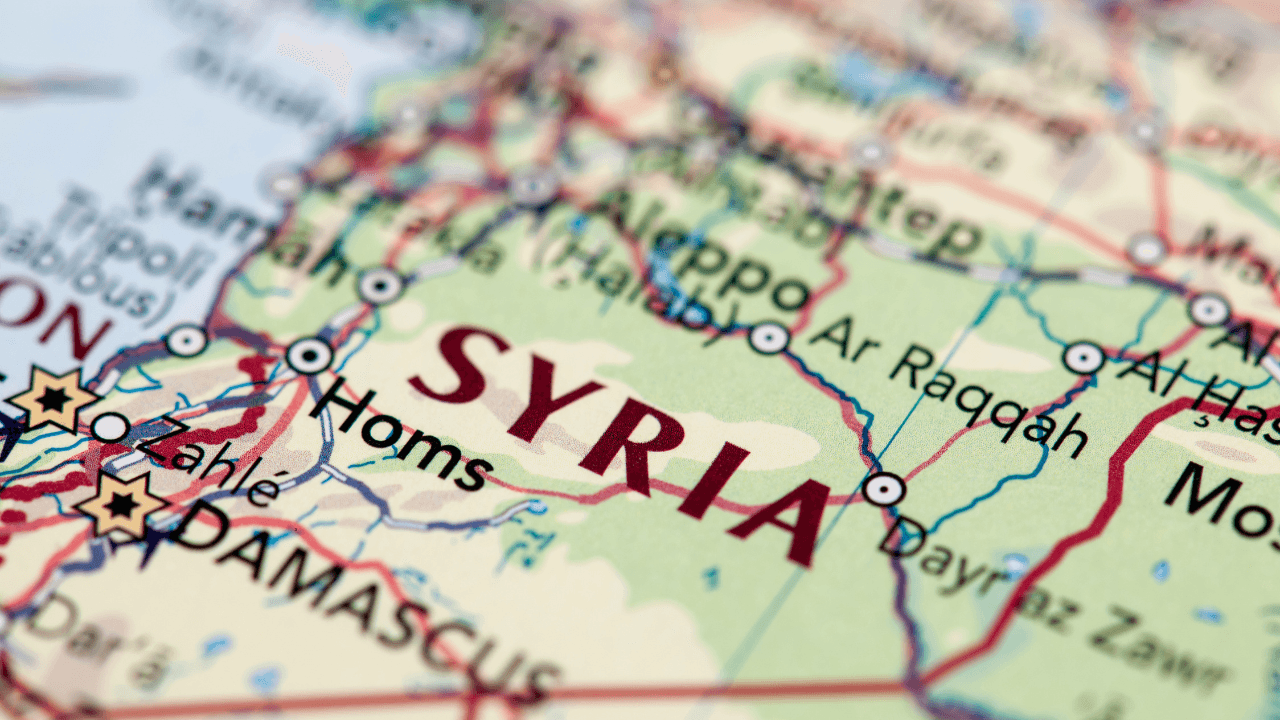
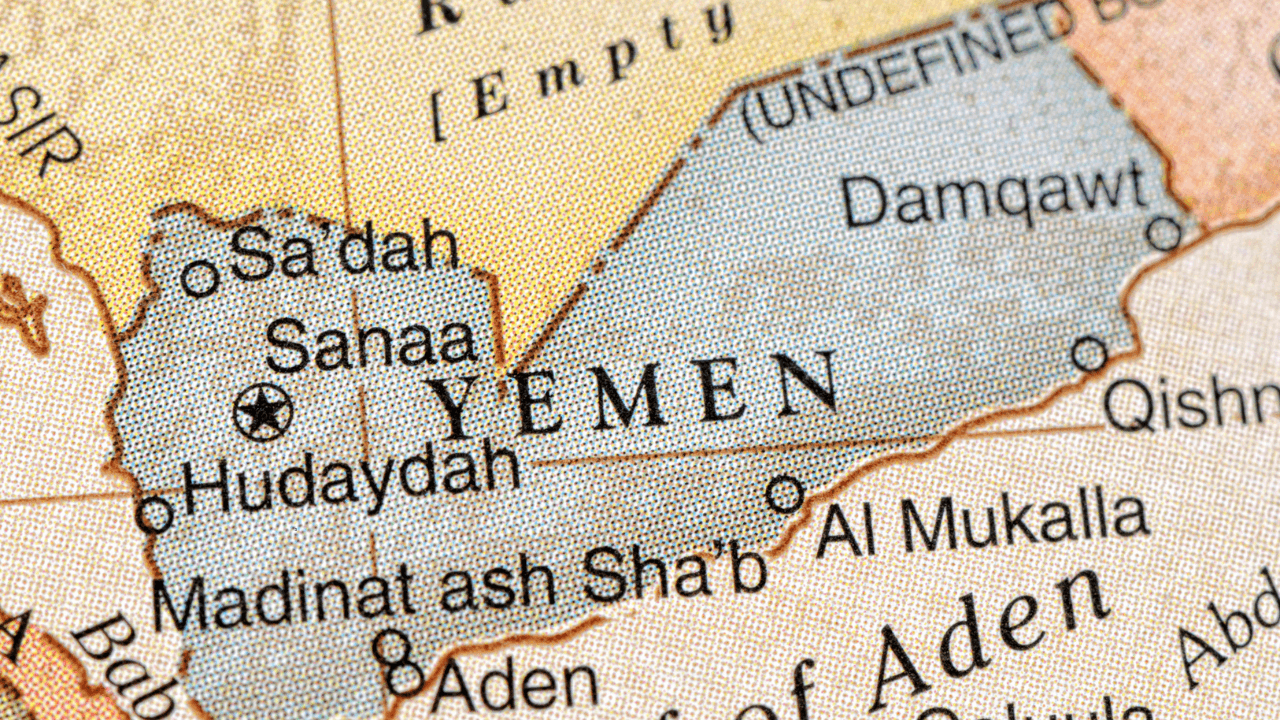
Their geographic footprint includes countries like Syria, Yemen, Palestine, Pakistan, Somalia, and others where Muslim communities face chronic and acute humanitarian needs. They're not a development organization in the traditional sense - they're not primarily building schools or training healthcare workers. The focus is on immediate material needs: food, emergency supplies, and child welfare.
Is Baitulmaal zakat-eligible?
Yes. Baitulmaal's programs serve the poor and those in acute need - categories that fall clearly within the eight eligible recipients of zakat (asnaf). Their emergency and food programs serve people who meet the criteria for receiving zakat. The organization explicitly positions itself as zakat-eligible and accepts both zakat and general sadaqah contributions.
If you're giving zakat and want it going to people with genuine, immediate material need - not administrative overhead or infrastructure projects - Baitulmaal's direct relief model makes it a defensible choice under most scholarly frameworks. As with any charity, consult a scholar if you have questions about specific programs and eligibility.
Transparency and financials
Baitulmaal is a registered 501(c)(3) and files publicly available tax returns (Form 990) as required by U.S. law. Their financials are accessible through the IRS database and third-party charity evaluators. Donors who want to verify their financial health before giving should look at their most recent 990 filing, which shows program expenses versus administrative and fundraising costs.
One thing to look for in any emergency relief charity is the ratio of program spending to total spending. A higher program percentage means more of your dollar reaches beneficiaries. Baitulmaal publishes financial information on their site, and donors can verify current ratings through public charity watchdog platforms - which HalalWallet doesn't link to externally, but you can find by searching their name on charity evaluator sites.
How does Baitulmaal compare to other Muslim charities?
The major U.S. Muslim charities doing emergency work include Islamic Relief USA, HHRD (Helping Hand for Relief and Development), Life for Relief and Development, and Baitulmaal. Each has a slightly different emphasis.
Islamic Relief USA is the largest and most globally recognized, with strong brand recognition and a wide program portfolio. HHRD has deep roots in the Pakistani-American community and strong disaster response capacity. Life for Relief, based in Southfield Michigan, has over three decades of history and a strong medical aid program. Baitulmaal is smaller and more focused - if emergency food aid and orphan care in specific crisis regions align with your priorities, their concentration can be an advantage. Fewer programs often means deeper execution in the areas they cover.
Ramadan giving with Baitulmaal
Top Providers for This Topic

Free to compare · No sign-up required
Like most Muslim charities, Baitulmaal sees a significant spike in donations during Ramadan. They run specific Ramadan campaigns - Eid food packages, iftar sponsorships, and Zakat ul-Fitr (fitrana) collection. If you prefer to give your annual zakat during Ramadan and want it going directly to food-related relief, their Ramadan programs are designed for exactly that.
For donors who want to give throughout the year rather than in a single Ramadan spike, Baitulmaal also accepts recurring monthly donations, which their programs can plan around more reliably.
Get every halal provider graded (free PDF)
Every US halal provider graded on Shariah integrity, transparency, and value - the full scorecard PDF, plus alerts when grades change
No spam ever. Unsubscribe in one click.
Orphan sponsorship program
One of Baitulmaal's signature programs is orphan sponsorship, which lets individual donors support a specific orphaned child over time. This model resonates deeply with many Muslim donors given the strong emphasis in Islamic tradition on caring for orphans. Sponsorship typically covers food, clothing, education support, and basic needs. Donors may receive updates on the child they're sponsoring.
This kind of named sponsorship creates a more personal connection to giving than an anonymous relief donation. For donors who want that sense of direct impact, it's one of the more meaningful giving options in Baitulmaal's portfolio.
What to watch out for
Baitulmaal is a smaller organization compared to the largest Muslim charities. Their brand recognition outside the Muslim community is limited, which means less independent media scrutiny - both good (less bureaucracy) and potentially concerning (less public accountability pressure). Verify their most recent financial filings before making a large contribution.
Their geographic focus is primarily international. If you want your zakat or sadaqah supporting Muslims inside the United States - domestic poverty, refugee resettlement, food insecurity here - Baitulmaal is probably not your first call. Organizations like ICNA Relief USA or Inner-City Muslim Action Network are better positioned for domestic need.
Bottom line
Baitulmaal is a solid option for Muslims who want their zakat or sadaqah going to emergency food relief and orphan care in international crisis zones. They're focused, have over two decades of operating history, and their programs are clearly structured around zakat-eligible needs. The profile page for Baitulmaal on HalalWallet has their full directory listing. To compare them alongside the full landscape of vetted Muslim charities in the U.S., browse HalalWallet's charities directory.
Frequently asked questions
Is Baitulmaal a legitimate charity? Yes. Baitulmaal is a registered 501(c)(3) nonprofit based in Irving, Texas. They've been operating since 2003 and file publicly available tax returns.
Does Baitulmaal accept zakat? Yes. Their emergency relief and food programs serve people in genuine material need, which qualifies under the standard zakat categories. The organization explicitly accepts zakat contributions.
Which countries does Baitulmaal serve? Baitulmaal primarily operates in crisis-affected Muslim communities internationally, including Syria, Yemen, Palestine, Pakistan, and Somalia. Their geographic focus shifts based on where humanitarian need is most acute.
Compare providers in your state
See side-by-side comparisons of Shariah-compliant products, or let our matcher recommend the best options for your situation.
How do I sponsor an orphan through Baitulmaal? Orphan sponsorship is available through their website. Sponsorship amounts vary by region and program. Contact Baitulmaal directly for current sponsorship options and pricing.
Is Baitulmaal good for Ramadan giving? Yes. They run dedicated Ramadan campaigns including food packages and iftar sponsorships. If you're planning your annual zakat for Ramadan and want it directed to food relief, their Ramadan programs are a natural fit.