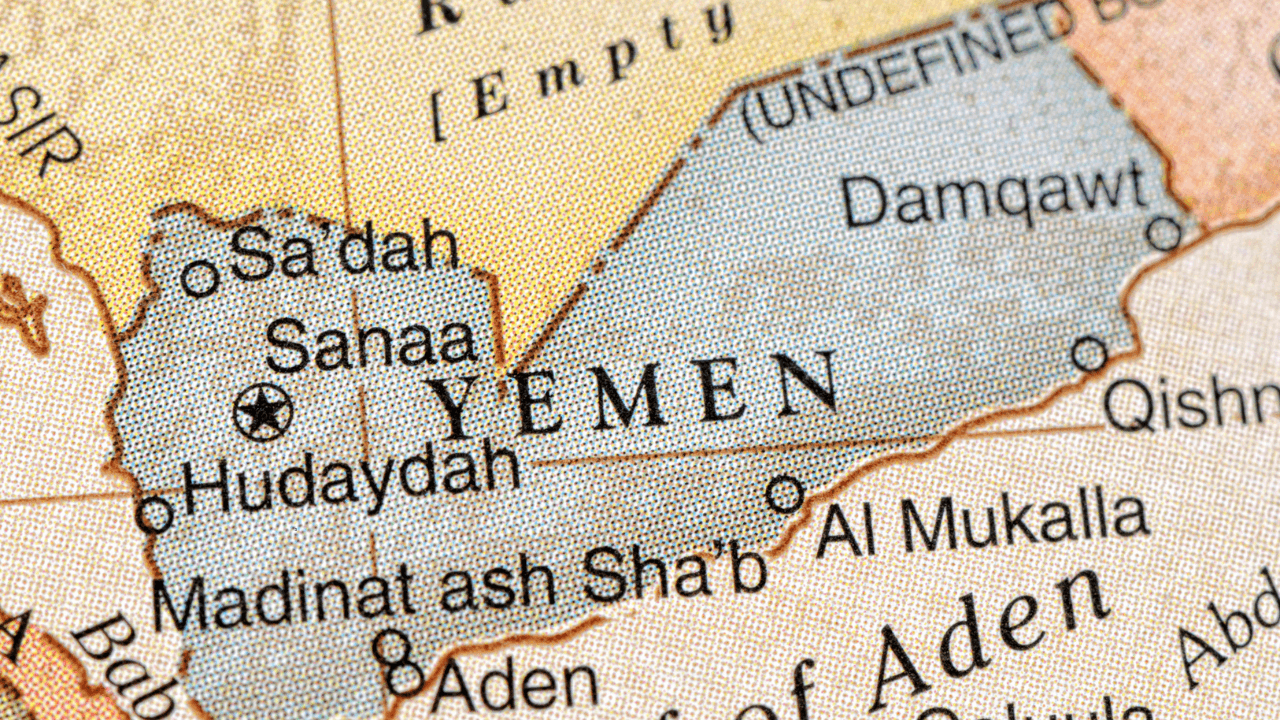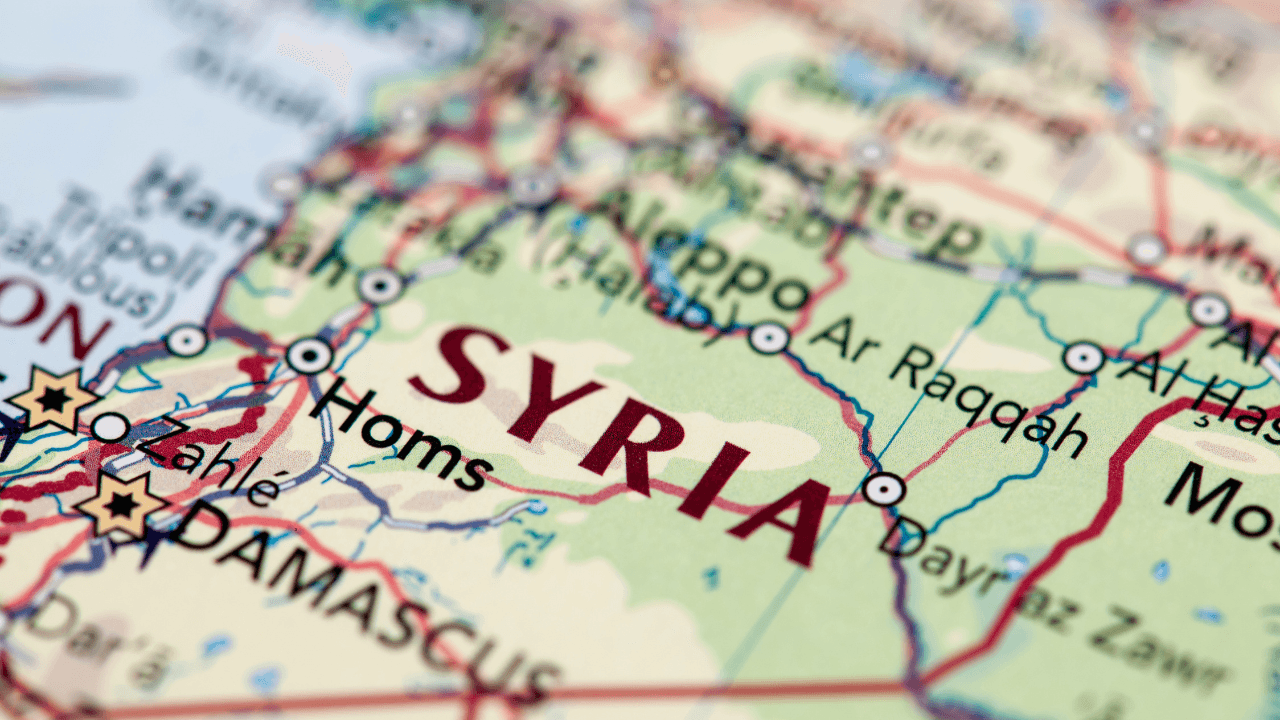
Syria has been in crisis since 2011. More than a decade of civil conflict has displaced millions of Syrians inside the country and across borders. In February 2023, a massive earthquake struck northwest Syria, compounding conditions that were already severe in Idlib and Aleppo provinces. For Muslim donors in the U.S. looking to help, the question is which charities have real, active Syria programs rather than just a mention on a webpage.
Five U.S.-based Muslim charities have well-established Syria programs backed by verifiable financials. All are 501(c)(3) nonprofits. Here is a direct breakdown of each.
Ready to compare halal options?
Is Syrian humanitarian aid zakat-eligible?
Yes, broadly. Displaced Syrians and civilians living in conflict zones and refugee camps fall clearly within the fuqara (poor) and masakin (destitute) categories in the Quran. Scholars across North American Muslim communities have consistently affirmed that zakat can go toward Syrian humanitarian relief. All five organizations listed here accept zakat for their Syria programs. If you have a specific circumstance, consult your imam for a ruling tailored to your situation.
Islamic Relief USA
Islamic Relief USA has had active Syria programming since the early years of the crisis. Their Syria work has included food distributions, emergency shelter, healthcare support, and winter aid for displaced families. They operate through Islamic Relief Worldwide's regional infrastructure, which gives them substantial capacity in Syria.
Islamic Relief USA is the most transparent and most scrutinized of all U.S. Muslim charities operating in Syria. Their IRS Form 990s, annual reports, and country-level program documentation are publicly available. For donors who want the most established name with the most verifiable track record, this is the default choice.
Zakat Foundation of America
Zakat Foundation of America has been active in Syria for years, with programs covering food, orphan support, and emergency relief. Their Syria programming emphasizes distributing zakat to clearly eligible recipients, and they publish documentation on how Syrian programs distribute funds across Quranic categories.
For donors who want an organization explicitly structured around zakat distribution methodology rather than general humanitarian work, Zakat Foundation is the strongest option in the Syria context. They are one of the few U.S. charities that make their zakat distribution categories publicly documented at the program level.
Life for Relief and Development
Life for Relief and Development was founded in 1992 and is based in Southfield, Michigan. They are one of the oldest U.S. Muslim humanitarian organizations and have operated in Syria since the beginning of the crisis. Their Syria work covers food baskets, emergency relief, and orphan support.
Life is less prominent on social media than newer organizations, but their longevity and regional experience are genuine advantages. They have deeper operational roots in conflict zones than most U.S. charities, built through decades of work in Iraq and the broader Middle East. For donors who want an organization with 30-plus years of field experience, Life is worth considering seriously.
Baitulmaal
Baitulmaal was founded in 2003 and is based in Irving, Texas. Syria is one of their primary focus areas alongside other humanitarian crises. Their Syria programming includes food security, emergency relief, and support for displaced families. Baitulmaal operates with a lean model and publishes annual reports covering program expenses and country-level activities.
Baitulmaal occupies a useful middle ground between smaller grassroots organizations and the largest charities like Islamic Relief USA. They are a 501(c)(3) with clear Syria programs and a manageable organizational size that some donors prefer for accountability reasons. Their program expense ratios and financial filings are available through public charity databases.
ICNA Relief USA
ICNA Relief USA is the humanitarian arm of the Islamic Circle of North America. While ICNA Relief's primary focus is U.S. domestic relief, they run international programs that include Syria. Their Syria work covers emergency food and basic needs assistance.
Get every halal provider graded (free PDF)
Every US halal provider graded on Shariah integrity, transparency, and value - the full scorecard PDF, plus alerts when grades change
No spam ever. Unsubscribe in one click.
ICNA Relief is better known for their domestic disaster response and refugee resettlement work inside the U.S. Their Syria programming is smaller in scale compared to Islamic Relief USA or Life for Relief and Development. For donors who already give to ICNA Relief for domestic causes and want to add an international component, their Syria program is a natural extension.
How to choose between them
If you want the largest organization with the most documented Syria presence and transparent financials: Islamic Relief USA. If proper zakat distribution methodology is your primary concern: Zakat Foundation of America. If you want organizational longevity and field experience: Life for Relief and Development. If you prefer a mid-size org with clear program reporting: Baitulmaal. If you already give to ICNA Relief domestically and want Syria added: ICNA Relief USA.
All five are legitimate 501(c)(3) nonprofits with verifiable Syria programs. You can review their profiles and compare them at HalalWallet's charities directory. For context on how to evaluate Muslim charities before giving, see the breakdown in our best Muslim charities for emergency relief guide.
What about the 2023 Syria earthquake?
The February 2023 earthquake devastated northwest Syria, particularly Idlib and Aleppo provinces - areas already under severe stress from years of conflict. Most of the organizations listed here launched earthquake-specific appeals at the time. Some of those programs have since transitioned into longer-term recovery support. If you want to give specifically for earthquake recovery versus general Syria relief, check each organization's current Syria campaign page for how they are directing donations today.
Bottom line
Islamic Relief USA and Life for Relief and Development are the two strongest options for Syria giving based on track record and program depth. Zakat Foundation of America is the best choice if structured zakat handling is your priority. Baitulmaal is a strong mid-tier option. ICNA Relief works best for existing ICNA donors who want to add international giving.
For everything related to calculating your zakat and finding eligible causes, visit HalalWallet's zakat resource center.
Frequently asked questions
Have Muslim charities been working in Syria since 2011? Yes. Islamic Relief USA, Life for Relief and Development, and Zakat Foundation of America all have Syria programs that began in the early years of the crisis. Baitulmaal and ICNA Relief USA also have multi-year Syria presence. These are not new or reactive programs - most have over a decade of operational history in Syria.
Can I give zakat to Syrian refugees outside Syria? Yes. Syrians displaced to Turkey, Jordan, Lebanon, and other countries remain eligible zakat recipients as long as they fall within the fuqara and masakin categories. Several of the organizations listed here run programs in refugee-hosting countries in addition to inside Syria.
How do I verify a charity's Syria program is real? Request or search for their IRS Form 990 (available free on ProPublica Nonprofit Explorer or Charity Navigator). Look for program expense ratios above 75%, country-level program descriptions in their annual report, and specific Syria fund options on their donation pages. Avoid charities that cannot point to concrete field reports or financial documentation.
Compare providers in your state
See side-by-side comparisons of Shariah-compliant products, or let our matcher recommend the best options for your situation.
Is it too late to give for the 2023 earthquake? No. Northwest Syria is still in recovery. Earthquake damage compounded on existing conflict-related destruction means rebuilding and relief needs remain significant. Organizations like Islamic Relief USA and Baitulmaal continue to run Syria programs covering both general humanitarian needs and earthquake recovery.
Can I give sadaqah instead of zakat for Syria? Yes. Sadaqah is voluntary and carries no distribution restrictions. Many donors give zakat to one Syria program and sadaqah to others, or give sadaqah to cover types of support that zakat rules do not allow (like organizational capacity building). Both forms of giving are valid for Syrian relief.