When an earthquake or flood or conflict displacement happens, the instinct to give immediately is right. The question is which organization will actually use it well. Muslim Americans have real options for emergency relief giving - but the field is crowded, and not every organization has the same reach, capacity, or track record.
This guide compares the top Muslim charities in the U.S. that focus on emergency relief, based on their programs, geographic reach, organizational maturity, and how each one is positioned for different types of donors and giving situations. All organizations listed are 501(c)(3) nonprofits and accept both zakat and general sadaqah.
Ready to compare halal options?
What makes an emergency relief charity worth giving to?
A few things separate effective emergency relief organizations from ones that mean well but struggle to execute. First, pre-positioned capacity - organizations that already have staff, partners, and supply chains in crisis regions move faster when disaster strikes than ones building from scratch. Second, financial transparency - a high program spending ratio (more dollars reaching beneficiaries, fewer absorbed by administration) matters. Third, zakat eligibility - genuine relief programs serving the poor and vulnerable are zakat-eligible; administrative overhead is not.
All the organizations below clear those basic bars. The differences are in focus, scale, and which specific type of emergency or region each does best.
Islamic Relief USA - largest footprint, broadest reach
Islamic Relief USA is the largest Muslim humanitarian organization operating in the United States and the American arm of Islamic Relief Worldwide, one of the most recognized Muslim charities globally. When a major disaster happens anywhere in the world - earthquake, flood, famine, conflict - Islamic Relief has almost certainly already been operating in or near that region.
Their emergency response infrastructure is the strongest of any Muslim charity in the U.S. market. They have pre-established supply chains, local partners, and field staff across dozens of countries. If you want your emergency donation to reach people as fast as possible in the broadest range of crises, Islamic Relief USA is the default choice for most donors.
Best for: Donors who want maximum reach, established organizational credibility, and fast deployment in any major global crisis.
HHRD (Helping Hand for Relief and Development) - depth in South Asia and conflict zones
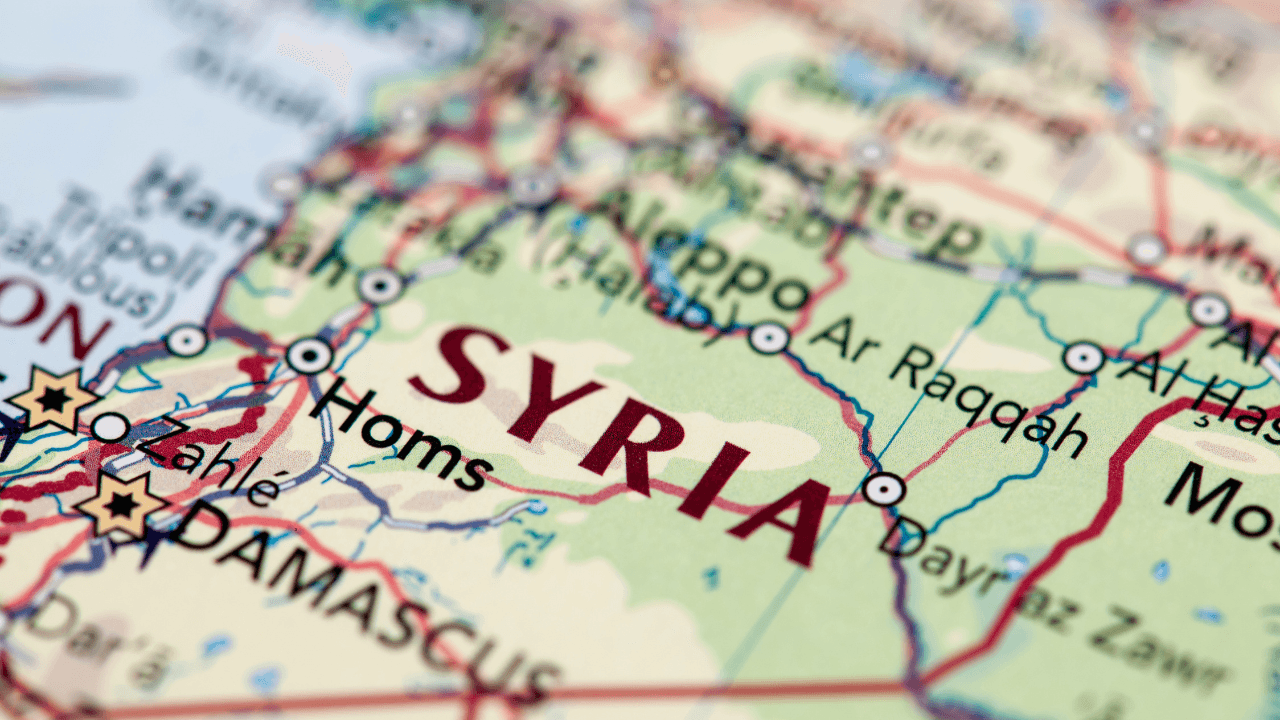
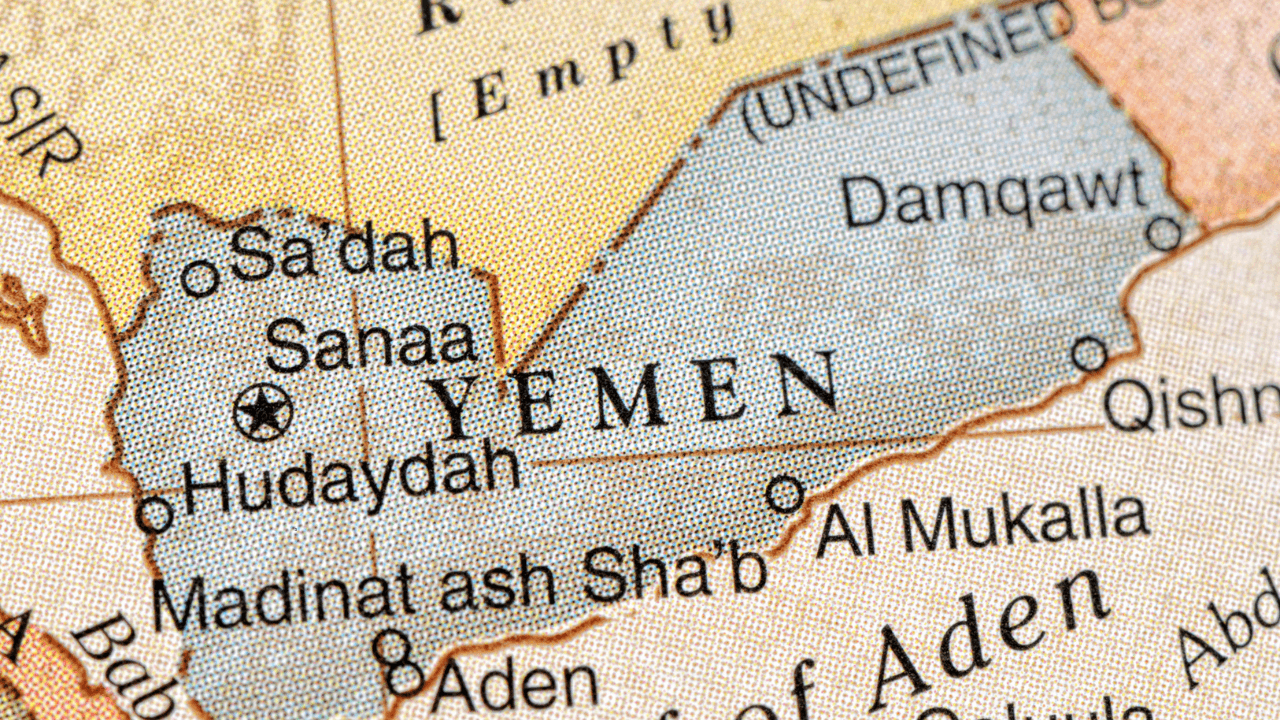
HHRD was founded in 2005 and has built particularly strong operational depth in South Asia - especially Pakistan and Afghanistan - as well as conflict-affected countries like Syria and Yemen. They operate both emergency response and longer-term development programs, which means their presence in a region doesn't disappear once the acute crisis fades.
HHRD has a strong track record of major disaster response, including earthquakes and floods in Pakistan, where their network of local partners gives them speed and reach that larger global organizations sometimes lack on the ground. For donors with family connections to South Asia or strong focus on that region, HHRD is often the most effective choice.
Best for: Donors focused on South Asia, Pakistan, Afghanistan, or long-term recovery alongside emergency response.
Life for Relief and Development - U.S. founded, global reach, over 30 years operating
Life for Relief and Development was established in 1992 in Southfield, Michigan - making it one of the oldest Muslim humanitarian organizations founded in the United States. Three decades of operations means established systems, vetted partners, and a proven ability to execute in difficult environments.
Life specializes in emergency relief, medical aid, and food security. Their medical programs - including mobile clinics and hospital support in conflict zones - differentiate them from charities focused purely on food and goods distribution. If you're looking for a charity whose emergency response includes healthcare, Life is one of the few Muslim organizations with that depth.
Best for: Donors who want a long-tenured U.S.-founded organization with medical aid capacity alongside standard relief programs.
Baitulmaal - focused on food security and orphan care in crisis regions
Baitulmaal, based in Irving, Texas, keeps its focus tight: emergency food aid, food security, and orphan care in the most vulnerable Muslim communities globally. Founded in 2003, they've built their programs around consistent, targeted delivery rather than trying to cover every type of humanitarian need.
Their orphan sponsorship program is one of the more personalized giving options in the Muslim charity space - donors sponsor a specific child and receive updates. If food relief and orphan support are your primary giving priorities, Baitulmaal's concentrated model means those programs get full organizational attention rather than competing with infrastructure and development work.
Best for: Donors focused specifically on food relief and orphan care, who prefer a more targeted organization.
Muslim Aid USA - global emergency response with international backing
Muslim Aid USA, based in Manassas, Virginia, is the American affiliate of Muslim Aid, a UK-founded international humanitarian organization established in 1985. The international connection matters for emergency response: Muslim Aid has deep relationships and field infrastructure across Africa, Asia, and the Middle East built over decades.
Get every halal provider graded (free PDF)
Every US halal provider graded on Shariah integrity, transparency, and value - the full scorecard PDF, plus alerts when grades change
No spam ever. Unsubscribe in one click.
Muslim Aid USA's strength is access to that global network, which means when a crisis hits in a region where their international parent organization has been operating for years, they can move quickly. For American Muslim donors who want their money working through a globally connected organization, Muslim Aid USA channels into that larger infrastructure.
Best for: Donors who want their contribution working through a globally established humanitarian network, especially in Africa and East Asia.
Penny Appeal USA - food security and water with community engagement
Penny Appeal USA is the American arm of a UK-founded Muslim charity known for its accessible giving model and strong focus on food, water, and orphan care. Their community engagement approach - including events and local campaigns that make giving social and accessible - has helped them build a younger, more digitally engaged donor base.
For emergency food relief specifically, Penny Appeal has active programs including Ramadan food packs and regular food distributions in crisis regions. They're not the largest organization on this list, but their combination of food focus and strong donor engagement makes them a solid pick, especially for first-time givers.
Best for: Donors who are newer to organized giving and want an accessible, community-oriented charity with a food and water focus.
ICNA Relief USA - domestic emergency relief and direct services
Most Muslim emergency charities focus internationally. ICNA Relief USA is different - they're one of the strongest options for Muslims who want their emergency giving to support people in need inside the United States. Their programs include disaster response within the U.S., refugee resettlement assistance, food pantries, and direct financial aid to low-income American Muslims.
When a hurricane hits the Gulf Coast, a tornado tears through a Midwestern city, or a Muslim family faces sudden financial crisis, ICNA Relief has the domestic infrastructure to respond. If local and domestic need matters to your giving priorities, ICNA Relief belongs near the top of your list.
Best for: Donors who want their emergency giving to support Muslim communities inside the United States.
How to pick the right emergency relief charity for you
The honest answer is: for most donors giving to a general emergency relief fund during a specific crisis, Islamic Relief USA is the safest default. Their infrastructure is the deepest and their response capacity the broadest. But the other organizations on this list are more than credible alternatives - they're better choices for specific priorities.
Give to HHRD if you're focused on South Asia. Give to Life for Relief if you want medical aid included. Give to Baitulmaal if orphan care is your primary focus. Give to ICNA Relief if you want to support domestic need. Give to Muslim Aid USA if you want your money flowing through a globally connected network with decades of field experience.
The worst thing you can do is spend weeks researching and never give. All of these organizations are legitimate, zakat-eligible, and doing real work. Pick one that matches your priorities and give. You can explore the full directory of vetted Muslim charities at HalalWallet's charities page, and for guidance on structuring your overall zakat giving, visit the HalalWallet zakat resource center.
Frequently asked questions
Are emergency relief donations zakat-eligible? Yes, if the funds go to people in genuine material need - the poor and destitute - which is the case with all the organizations listed here. Emergency relief going directly to displaced people, famine victims, or disaster survivors falls squarely within standard zakat categories.
Which Muslim charity responds fastest to emergencies? Islamic Relief USA has the broadest pre-positioned infrastructure globally. Organizations with existing field presence in a specific region - like HHRD in South Asia - often respond faster within their areas of operation.
Can I split my zakat between multiple emergency charities? Yes. Many scholars hold that splitting zakat between multiple eligible recipients is permissible and can even be preferable, allowing more people to benefit. There's no requirement to give it all to one organization.
Compare providers in your state
See side-by-side comparisons of Shariah-compliant products, or let our matcher recommend the best options for your situation.
Is there a Muslim emergency relief charity focused on domestic U.S. need? Yes - ICNA Relief USA is the strongest option for domestic emergency response and direct aid to Muslim communities inside the United States.
How do I verify a Muslim charity before giving? Check that they're a registered 501(c)(3) and review their most recent Form 990, which is publicly available and shows how they spend donations. Look at the ratio of program expenses to total expenses - a higher program percentage means more of your dollar reaches beneficiaries.