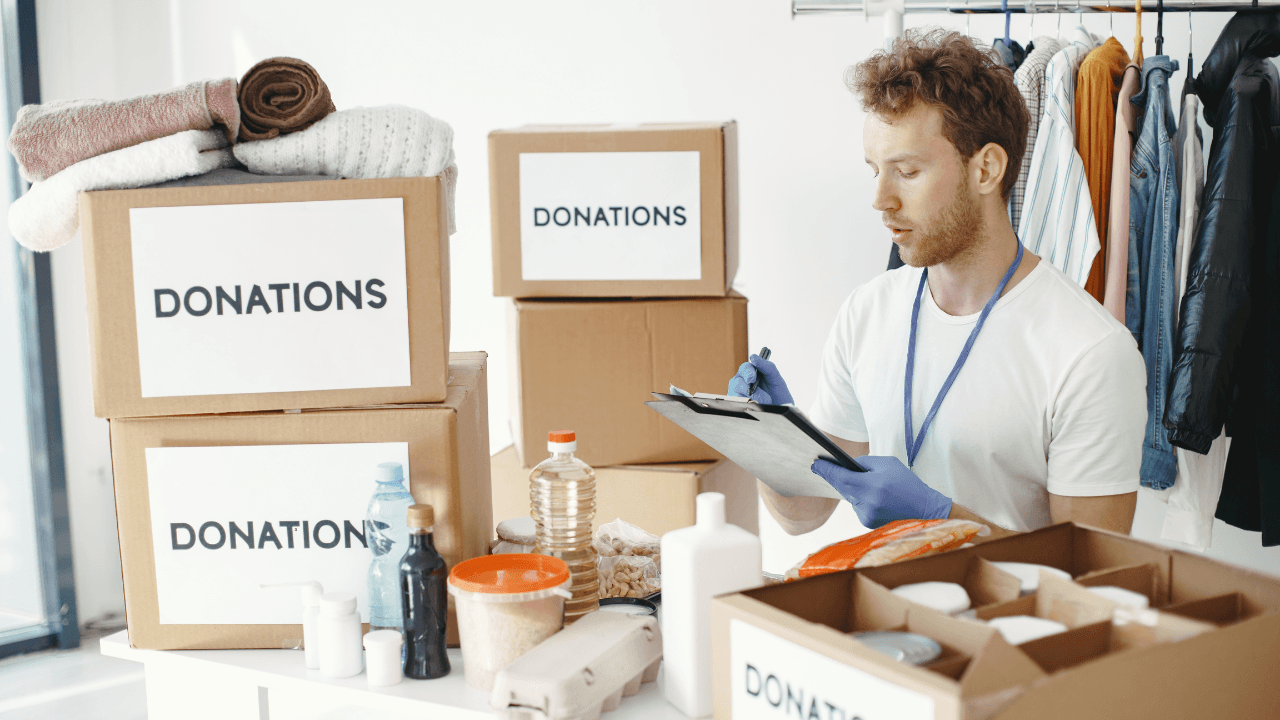
Food is the most immediate need in virtually every humanitarian crisis. Before shelter, before medicine, before education - people need to eat. For Muslim donors, giving to food programs is one of the clearest and most direct ways to fulfill zakat: you give, someone who is hungry eats. The chain is short.
The U.S. Muslim charity space has several organizations doing serious food security work, but with very different models - emergency food packages during crises versus sustained food programs that operate year-round, international programs versus domestic food banks, Ramadan-specific giving versus monthly recurring distribution. Here's how the major options compare.
Ready to compare halal options?
Food security giving and zakat eligibility
Food programs serving the poor and hungry are among the clearest zakat-eligible categories. The recipient is genuinely in need, the benefit is direct and material, and the delivery is immediate. There's essentially no scholarly disagreement on this: feeding the poor is valid zakat. The question is which organizations are doing it most effectively.
Baitulmaal - food security as a core mission, not an add-on
Baitulmaal runs food security as one of its two primary program pillars alongside emergency relief. This matters because food programs that are central to an organization's mission get more operational attention and infrastructure investment than food programs that sit alongside ten other initiatives.
Their food distributions operate in crisis regions including Syria, Yemen, Palestine, and Pakistan, with regular distributions rather than only emergency response. They also run Ramadan food package campaigns each year - food packs for families during the month when Muslim charitable giving spikes. For donors who want food security to be the primary use of their donation, Baitulmaal's focused model makes their programs among the most efficient.
Best for: Donors whose primary giving priority is food relief and who want a focused organization where food programs get full organizational attention.
Islamic Relief USA - largest food program infrastructure globally
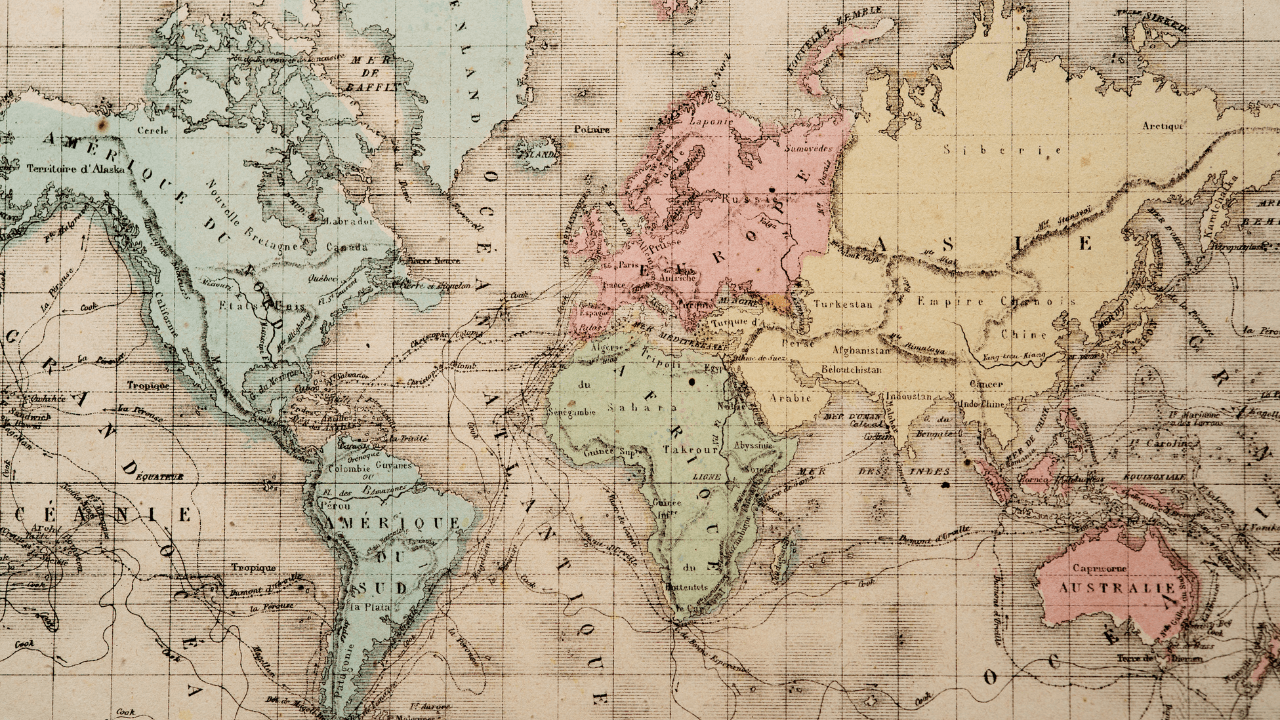
Islamic Relief USA runs food programs at a scale no other U.S. Muslim charity can match. Their food distributions span dozens of countries, their Ramadan food campaigns reach millions of people, and their food voucher programs in certain regions allow families to purchase food locally - which supports local economies while addressing food insecurity.
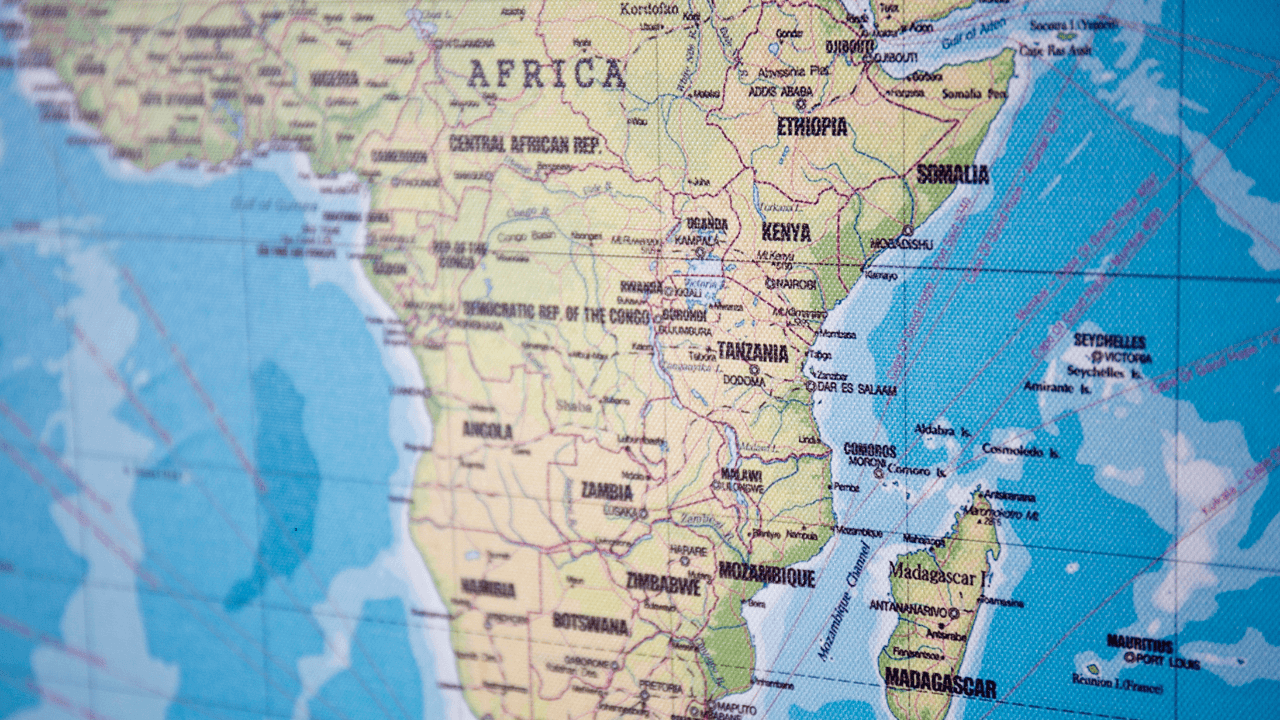
Beyond emergency food distribution, Islamic Relief invests in longer-term food security through agricultural support, livelihood programs, and sustainable food production - particularly in sub-Saharan Africa. This development-oriented approach complements the emergency response and means communities they work with become less dependent on food aid over time.
Best for: Donors who want maximum scale and geographic reach, or who want food security combined with longer-term agricultural development.
ICNA Relief USA - domestic food security for Muslims in America
ICNA Relief USA is the most significant Muslim charity for food security inside the United States. Their food pantries and grocery programs serve low-income Muslim families in cities across America - recent immigrants, refugees, and domestic poverty that often goes unaddressed by international organizations focused overseas.
ICNA Relief also runs disaster-response food programs that activate when hurricanes, floods, or other emergencies hit American communities. Their model is community-embedded: they work through local mosques and Islamic centers to identify and reach families in need, which gives them access and trust that a national organization parachuting into a city often can't build quickly.
Best for: Donors who prioritize feeding hungry Muslim families inside the United States.
Penny Appeal USA - food packages with strong Ramadan programming
Penny Appeal USA is particularly strong during Ramadan, when their food package campaigns are among the most active and well-marketed of any Muslim charity in the U.S. Their "Feed Our World" campaigns reach communities across Africa, Asia, and the Middle East with food packages timed to support families through the holy month.
Outside Ramadan, they run regular food distributions as part of their broader poverty relief programs. Penny Appeal's community-driven giving culture - built around accessible donation amounts and social engagement - makes them particularly effective at bringing in first-time givers and smaller donors whose cumulative contributions fund substantial food programs.
Best for: Ramadan food giving and donors who want an accessible, community-oriented organization with an active food campaign model.
Zakat Foundation of America - food programs alongside zakat education
Get every halal provider graded (free PDF)
Every US halal provider graded on Shariah integrity, transparency, and value - the full scorecard PDF, plus alerts when grades change
No spam ever. Unsubscribe in one click.
Zakat Foundation of America runs food programs internationally with a particular emphasis on using zakat for direct, immediate material need - which food clearly is. They also provide food aid domestically to low-income American Muslims, making them one of the few organizations with both international and domestic food programming.
ZF has published detailed guidance for donors on what qualifies as zakat and how their programs are structured to meet those standards. For donors who want strong zakat compliance assurance alongside their food giving, ZF's transparent approach to zakat eligibility is a feature.
Best for: Donors who want rigorous zakat eligibility documentation alongside both domestic and international food programs.
HHRD - food programs integrated with South Asia disaster response
HHRD runs food distribution programs that are tightly integrated with their disaster response operations - particularly in Pakistan, Bangladesh, and Afghanistan. When floods or earthquakes hit, food distribution is part of their immediate response, not a separate program that gets activated later. That integration means food reaches affected communities faster.
They also run year-round food support programs in chronically food-insecure communities in South Asia, not just during emergencies. For donors focused on the region, HHRD's food programs benefit from the same deep local partnerships that make their other programs effective.
Best for: Donors focused on food security in South Asia, especially in the context of disaster response.
Ramadan food giving vs. year-round programs
One practical consideration: all of these charities run Ramadan food campaigns, and donations spike sharply during that month. The problem is that hunger doesn't stop in Shawwal. Year-round or monthly recurring donations to food programs are more useful to charities from a planning and logistics standpoint - they can commit to distributions in advance rather than scrambling to deploy a surge of funds in a few weeks.
If you're giving a larger annual amount, consider splitting it rather than giving it all at once during Ramadan. It doesn't change the impact of your individual gift, but across thousands of donors doing the same thing, it evens out the supply chain in a way that benefits beneficiaries.
Bottom line
For international food security with maximum scale, Islamic Relief USA. For concentrated food programs as the primary mission, Baitulmaal. For domestic U.S. food need, ICNA Relief. For Ramadan campaigns specifically, Penny Appeal USA. All of these organizations are listed in HalalWallet's charity directory with full profiles. Visit the HalalWallet zakat resource center for guidance on calculating and distributing your zakat.
Frequently asked questions
Is giving food to the poor one of the best forms of sadaqah? Islamic tradition holds feeding the hungry in very high regard. Multiple hadith specifically mention feeding the poor as among the most rewarded acts. Both zakat and sadaqah can be given for food programs.
Which Muslim charity is best for Ramadan food packages? Penny Appeal USA and Islamic Relief USA both run large Ramadan food campaigns. Baitulmaal and Zakat Foundation also have Ramadan food programs. Any of these will deploy Ramadan food giving quickly and effectively.
Is there a Muslim food bank in the United States? ICNA Relief USA runs food pantries across the U.S. through their network of local chapters. Zakat Foundation of America also has a domestic food component. Both serve low-income Muslim communities inside the United States.
Compare providers in your state
See side-by-side comparisons of Shariah-compliant products, or let our matcher recommend the best options for your situation.
How do I know my food donation is reaching people and not being absorbed in overhead? Review the charity's most recent Form 990 (public record), which shows program expenses versus administrative and fundraising costs. A higher program spending ratio means more of your dollar reaches food beneficiaries. All the organizations listed here are 501(c)(3) nonprofits with public filings.
Can I give sadaqah jariyah through food programs? Sadaqah jariyah (ongoing charity) typically refers to sustained benefit - a well, a school, an endowment. One-time food distributions are sadaqah but not sadaqah jariyah. Agricultural development programs that help communities grow their own food come closer to sadaqah jariyah because the benefit continues. Islamic Relief's agricultural programs are one example.