Every year, Muslims calculating their zakat face the same question: do I give it here, or do I send it overseas? The communities in need outside your city are often more visible than the ones a few miles away. And the communities a few miles away don't always have a charity accepting zakat on their behalf. So where does it go?
The short answer: both are valid. Islamic law does not restrict zakat to a specific geography. What it does is emphasize the importance of reaching people who genuinely qualify - and scholars differ on whether local or international need should come first. Here's how to think through it.
Ready to compare halal options?
What Islamic scholars say about giving zakat locally
The classical scholarly position favors local distribution. Several hadiths and fiqh rulings point toward prioritizing those nearest to you - your local Muslim community, your city, your region. The logic is practical: you can verify the need, you build community, and your giving has a visible effect on people you share a mosque with.
Imam Malik and the Maliki school are clearest on this - they generally hold that zakat should stay within the territory where it was collected. The Hanafi school is more flexible but still encourages local giving where need exists. If your city has Muslim families in genuine poverty, food insecurity, or crushing debt, those households qualify for zakat and deserve first consideration.
When international giving takes priority
Most contemporary scholars - including major North American fatwas and bodies like ISNA's Fiqh Council - take a broader view. They recognize that the global Muslim community is the ummah, and zakat's purpose is to relieve real hardship wherever it exists. If the need is greater internationally, giving internationally is not just permitted - it's arguably the more impactful choice.
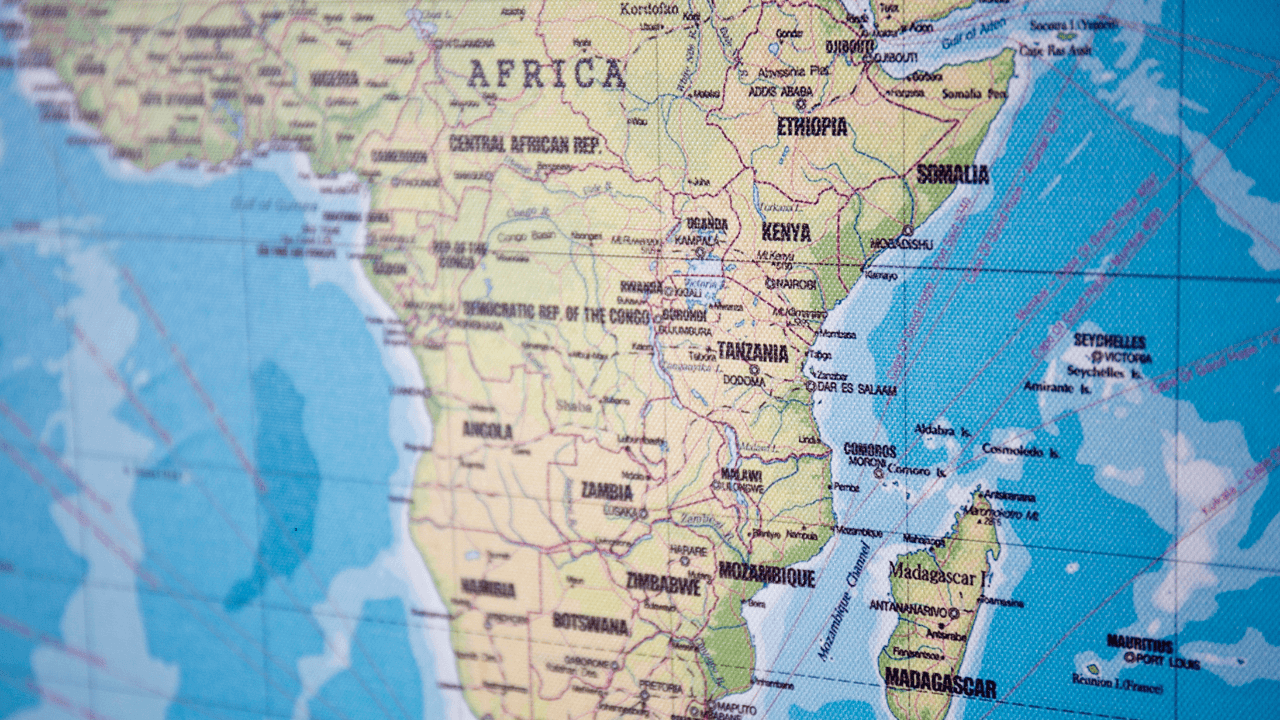
In practice, this matters a lot. The scale of need in places like Gaza, Yemen, Syria, and the Sahel region is immense compared to most North American contexts. Famine, displacement, and lack of basic medical care represent exactly the categories zakat is meant to address. If you're giving to a vetted, accountable international organization delivering real results, that's zakat well spent.
The accountability question
Wherever you give, the organization receiving your zakat matters. The same rules apply locally and internationally: the charity needs to be reaching actual zakat recipients (the 8 categories defined in Surah At-Tawbah: the poor, the destitute, those in debt, etc.), and it needs to be doing so with financial integrity.
For international charities, this means looking at overhead ratios, third-party ratings from organizations like Charity Navigator, and whether the charity has a track record in the region it claims to serve. HalalWallet's charity directory lists vetted Muslim charities with transparency ratings so you can compare before you give. For a focused look at domestic options, see our guide to best Muslim charities for US domestic poverty.
Local giving in the U.S.: what to look for
In the United States, genuine zakat recipients exist in every major city - but finding the right channel to reach them takes some research. Mosques often have internal hardship funds. Local Islamic nonprofits sometimes have direct distribution programs. Organizations like ICNA Relief and Inner-City Muslim Action Network (IMAN) run domestic programs targeting Muslim communities in poverty.
The advantage of local giving is closeness: you can often see the effect, verify the need yourself, and build real relationships with the communities you're helping. If your city has a visible Muslim poverty problem and a trustworthy local organization, that's a strong case for keeping your zakat closer to home.
Splitting your zakat between local and international
Stay Updated
Get halal finance updates, new provider alerts, and expert insights
No spam ever. Unsubscribe in one click.
You don't have to choose one or the other. Many Muslims split their zakat - giving a portion locally and directing the rest to international causes. There's no fixed formula for this split, and no ruling that says you must divide it evenly. What matters is intentionality: you're giving to verified organizations reaching people who qualify, regardless of geography.
A practical approach: start with your local mosque or community fund if they have a documented hardship program. Then direct the larger portion to a vetted international charity focused on the cause you find most pressing. You can explore your options at HalalWallet's zakat resource center or browse the full charity directory to compare organizations side by side.
Tax deductibility: a practical note for U.S. Muslims
If tax deductibility matters to you, the organization - not the geography - is what determines whether your zakat is deductible. A U.S.-based 501(c)(3) organization is deductible regardless of whether they spend funds domestically or internationally. A foreign charity you give to directly is generally not deductible. For a full breakdown, see our guide to making your Muslim charitable giving tax-deductible.
Where to give: organizations worth considering
For international causes, Zakat Foundation of America and Islamic Relief USA are among the most established Muslim charities in the country, with programs across dozens of countries. Both accept zakat. For domestic giving, organizations like ICNA Relief USA and IMAN focus specifically on U.S.-based need within the Muslim community.
Bottom line
There's no universal right answer between local and international - the Quran and hadith point toward need, accountability, and reaching people who qualify. If your local community has genuine zakat-eligible households and a trustworthy distribution channel, start there. If the need overseas is greater and the organization is vetted, giving internationally is completely valid. Most Muslims do both. What matters is that your zakat reaches real people in real need.
Frequently asked questions
Can I give all my zakat internationally? Yes. No Islamic ruling restricts zakat to local distribution. The classical preference for local giving is a recommendation, not a requirement. As long as your money reaches people in the 8 eligible categories, the geography is up to you.
What if there are no local zakat programs in my area? Many cities lack formal local zakat programs. In that case, giving internationally - or to a national domestic charity like ICNA Relief - is entirely appropriate. You're not required to find a local program if one doesn't exist.
Do international charities actually distribute zakat correctly? The reputable ones do. Look for organizations that explicitly state they accept and distribute zakat according to Islamic guidelines, and that distinguish zakat funds from general donation funds. If a charity lumps everything together, ask before giving.
Compare providers in your state
See side-by-side comparisons of Shariah-compliant products, or let our matcher recommend the best options for your situation.
Is there a recommended split between local and international? No. There's no scholarly consensus on a specific ratio. Many Muslims give a larger share internationally because the scale of need is greater. Others give entirely locally. Both are valid as long as recipients qualify under Islamic law.
What counts as 'local' for zakat purposes? Generally: your city, metro area, or state. Some scholars define it more broadly as your country. The principle is that giving to nearby communities has the additional benefit of strengthening the local Muslim community - not that international giving is somehow lesser.