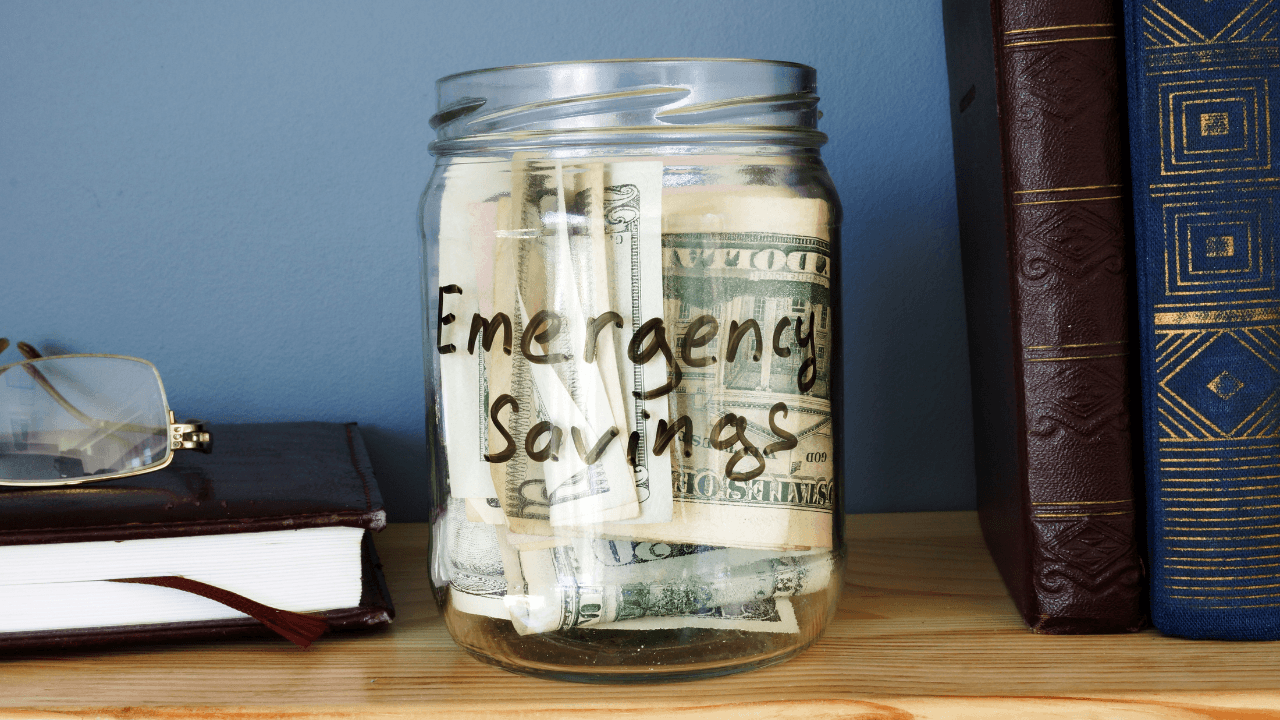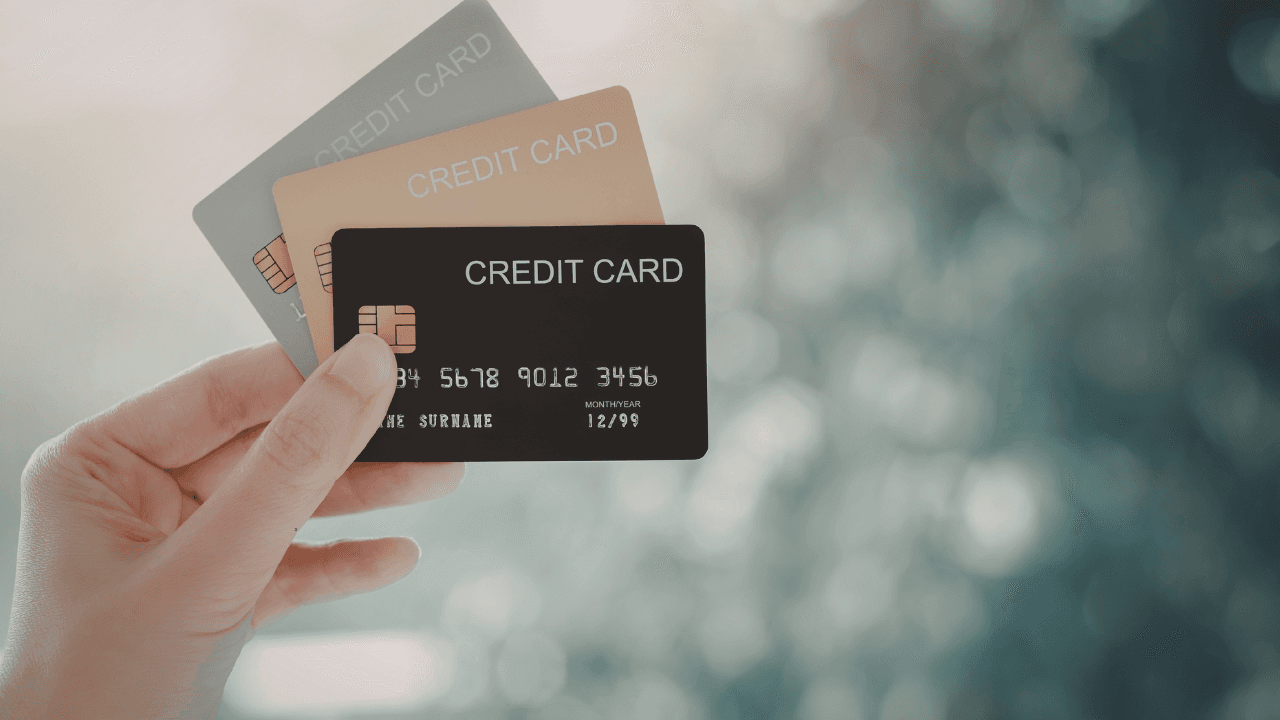
Cashback, points, and miles are often halal when you pay the statement balance in full every month and never trigger interest or late fees. The reward is treated as a rebate or promotional benefit on spending, not riba on borrowed money. The harder question is not the reward itself but the credit card contract, which typically obligates you to pay interest if you carry a balance. Many scholars permit rewards cards only for disciplined users who eliminate interest risk in practice.
This guide explains how Islamic finance scholars treat cashback and loyalty rewards, where contract risk remains, and how to decide among credit cards, debit, and halal banking options. For the broader credit card ruling, see Are Credit Cards Haram? A Muslim Guide (2026). For credit scores without riba exposure, see Is a Credit Score Haram?.
Ready to compare halal options?
Short Answer: Are Cashback Cards Halal?
- Majority view: Cashback and points are permissible when no interest is paid; rewards function like a discount or rebate.
- Contract concern: Standard card agreements still reference interest if you miss payment timing.
- Stricter view: Some scholars discourage credit cards entirely because of the riba clause, regardless of rewards.
- Practical rule: If you cannot guarantee on-time full payment every cycle, rewards cards are high risk.
Why Rewards Themselves Are Usually Not Riba
Riba is excess charged for the use of money. Cashback, airline miles, and bank points are typically paid by the merchant network or issuer as marketing spend tied to your purchase volume. You are not lending money to the bank in exchange for a return. That is why many contemporary fatwas, including guidance from the Assembly of Muslim Jurists of America (AMJA), treat rewards as permissible when the cardholder avoids interest charges.
AAOIFI Shariah Standard No. 2 on debit cards also supports loyalty benefits on payment products when the underlying account does not involve interest transactions. The economic logic: the reward is part of the commercial terms of spending, similar to a store coupon, not compensation for lending.
Cashback vs Points vs Miles
| Reward type | What you receive | Typical halal analysis | Main risk |
|---|---|---|---|
| Cashback | Statement credit or deposit | Often treated as purchase rebate | Interest if balance is carried |
| Bank points | Redeemable for travel, gift cards, or cash | Same rebate logic when no interest paid | Temptation to overspend for points |
| Airline miles | Miles in a loyalty program | Generally permissible as promotional benefit | Annual fees and interest still apply to card |
| Sign-up bonus | Lump sum after spend threshold | Often allowed if spend is real and halal | Manufactured spending can raise shariah concerns |
The structure of the reward rarely changes the ruling. What changes the ruling is whether you enter an interest-bearing debt relationship with the issuer.
The Real Issue: The Credit Card Contract
Even a 5% cashback card becomes problematic if you owe interest even once. Conventional card agreements include an APR that activates when the grace period is missed. Scholars who permit card use usually require operational certainty: autopay for the full statement balance, alerts before due dates, and a cash buffer so a missed payment cannot happen.
- Set autopay to full statement balance, not minimum payment.
- Keep a separate checking buffer equal to at least one month of card spend.
- Avoid cash advances, which often accrue interest immediately.
- Do not treat the credit line as a loan source for zakat, rent, or emergencies.
If your income is irregular or you have a history of carrying balances, a rewards card is usually the wrong tool regardless of the cashback rate. A no-credit halal bank account or debit setup is often safer.
Decision Table: Should You Use a Rewards Card?
| Your situation | Rewards card? | Better alternative |
|---|---|---|
| Pay full balance every month for 12+ months | Often acceptable on majority view | Still compare contract terms and scholar you follow |
| Sometimes carry a balance | Not recommended | Debit or prepaid; pay down debt first |
| Want zero riba clause exposure | Avoid conventional cards | Debit, prepaid, or interest-free checking |
| Chasing sign-up bonuses with artificial spend | Higher shariah scrutiny | Use only for planned halal purchases |
| Building credit for a future home | Case-by-case | See credit score guide |
Stricter Scholarly Views to Know
Some scholars hold that signing any agreement that references interest is impermissible, even if you intend never to pay it. Others distinguish between potential riba and actual riba, permitting cards only with strict safeguards. You should follow a qualified scholar or fatwa body you trust rather than optimizing for the highest cashback percentage.
Also separate halal structure from halal spending. A permissible rewards card used for alcohol, gambling, or other haram purchases does not make those purchases halal. Screen your categories the same way you would with debit.
Top Providers for This Topic



Free to compare · No sign-up required
Halal-Friendly Alternatives to Rewards Credit Cards
- Debit cards linked to checking: no credit line, no interest clause.
- Secured cards for credit building: still review the contract for interest language.
- Cash and bank transfers for large purchases: removes grace-period risk entirely.
- Halal banking products on our bank accounts hub: compare institutions that avoid interest-based deposit models.
Get every halal provider graded (free PDF)
Every US halal provider graded on Shariah integrity, transparency, and value - the full scorecard PDF, plus alerts when grades change
No spam ever. Unsubscribe in one click.
Practical Checklist Before You Apply
- Read the Schumer Box APR section and late-fee triggers.
- Confirm autopay can pay the full statement balance.
- Calculate whether annual fees exceed expected halal cashback.
- Ask your scholar if your madhhab accepts conditional riba clauses you never activate.
- Skip the card if rewards would push you toward unnecessary spending.
Frequently Asked Questions
Is 2% or 5% cashback halal?
The percentage does not change the analysis. Flat 2% cashback and category 5% cards are both generally treated as rebates on the majority view when you pay in full and incur no interest. A higher rate does not make the card more halal; it only increases temptation to spend.
Are credit card points halal if I never pay interest?
Many scholars say yes, because points are a marketing benefit tied to purchases, not profit on a loan. The condition is reliable full payment every billing cycle. If there is any realistic chance you will carry a balance, points are not worth the riba exposure.
Is it halal to use a credit card only for the sign-up bonus?
Bonuses tied to normal halal spending are often treated like enhanced cashback. Problems arise with manufactured spending, buying cash-equivalent products to hit thresholds, or opening cards you cannot manage. Keep bonuses on planned expenses you would make anyway.
What if my card has 0% APR promotional financing?
Deferred-interest and promotional APR offers still sit inside an interest-based contract. Many Muslims avoid them even during the promo window because the agreement itself contemplates riba if terms are broken. Treat 0% offers as a red flag, not a loophole.
Does using a credit card hurt my iman if I pay in full?
That is a personal and scholarly question, not a math question. Operationally, full payers on the majority view reduce riba exposure sharply. Spiritually, some prefer to avoid any instrument tied to interest altogether. Both paths are represented in the community; choose with knowledge and consistency.
Are airline co-branded cards different from cashback cards?
The shariah analysis is similar: miles are a loyalty benefit, but the underlying card is still a conventional credit product with interest clauses. Co-branded cards often have higher annual fees. Evaluate total cost, not just the welcome offer.
The Bottom Line
Compare providers in your state
See side-by-side comparisons of Shariah-compliant products, or let our matcher recommend the best options for your situation.
Cashback and rewards are usually not the haram part. Interest and unreliable payment habits are. If you follow the majority view and can guarantee full on-time payment forever, many scholars permit rewards cards. If you want zero riba clause exposure or you have ever carried a balance, use debit and halal banking instead. Read the full credit card guide before you apply.