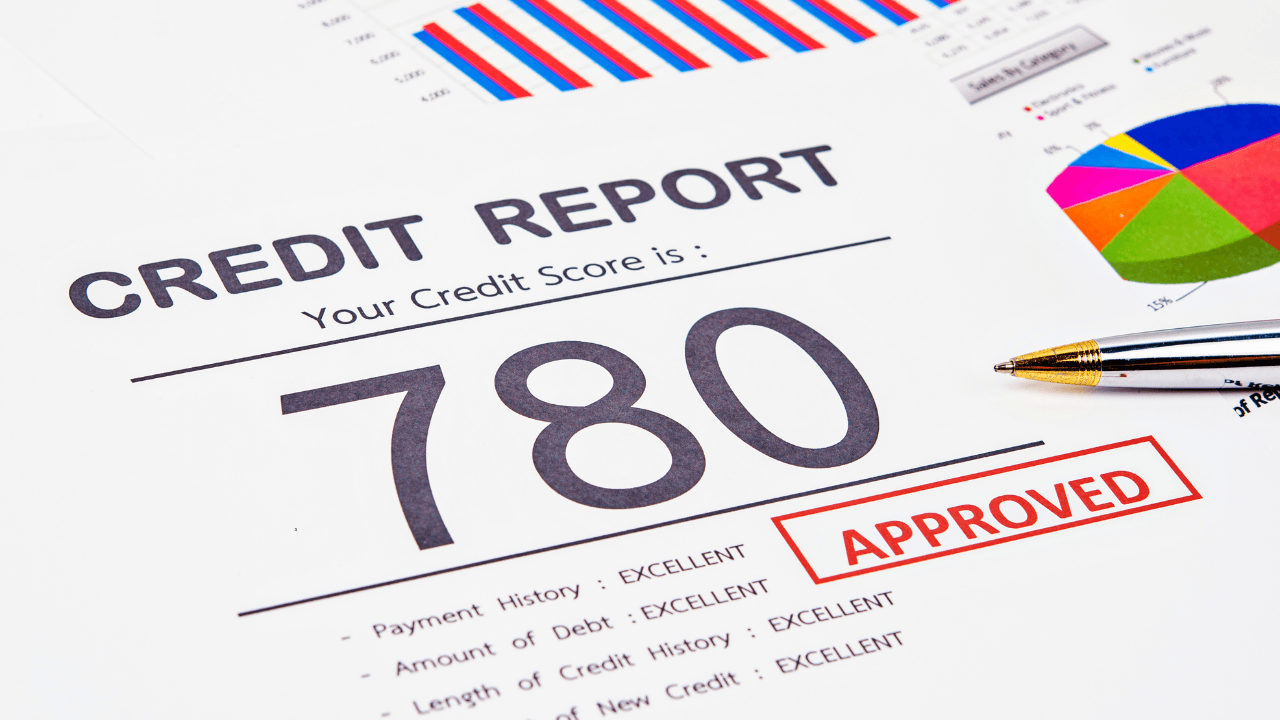
Many Muslims in the United States hear warnings about interest and debt, yet modern life often requires a credit score to access basic services. This raises a common concern about whether having a credit score is permissible.
A credit score is not a financial contract. It is a measurement used by institutions to estimate reliability in repayment.
Ready to compare halal options?
What a Credit Score Is
A credit score is a risk rating created by credit bureaus based on financial behavior. It does not involve a payment, loan, or automatic interest.
- Payment history
- Credit usage
- Account age
- Types of accounts
- Recent applications
Why the Confusion Happens
People associate credit scores with loans. Because loans may involve interest, some assume the score itself is also impermissible. However, Islamic rulings apply to contracts, not measurements.
Having a Score vs Taking a Loan
Having a credit score is different from entering an interest-based loan. A person can maintain a credit history without paying interest.
How Muslims Build Credit Carefully
- Pay bills on time
- Keep balances low
- Avoid carrying balances
- Pay statements in full
Stay Updated
Get halal finance updates, new provider alerts, and expert insights
No spam ever. Unsubscribe in one click.
Why Avoiding Credit Entirely Can Be Difficult
In the U.S., a lack of credit history can lead to apartment denials, higher deposits, and limited access to services. Many scholars consider reducing unnecessary hardship in daily life.
Does Building Credit Encourage Interest?
Related reading: Are Credit Cards Haram?
A credit score tracks reliability. Interest only occurs if someone chooses to carry a balance in an interest-bearing contract. The score itself remains neutral.
Practical Perspective
Many Muslims use credit as an administrative system for verification and access while avoiding unnecessary interest-based borrowing.
Compare providers in your state
See side-by-side comparisons of Shariah-compliant products, or let our matcher recommend the best options for your situation.
Final Thought
A credit score is a reputation metric rather than a financial contract. Islamic rulings focus on riba-based agreements, not on the existence of a financial identity in modern systems.