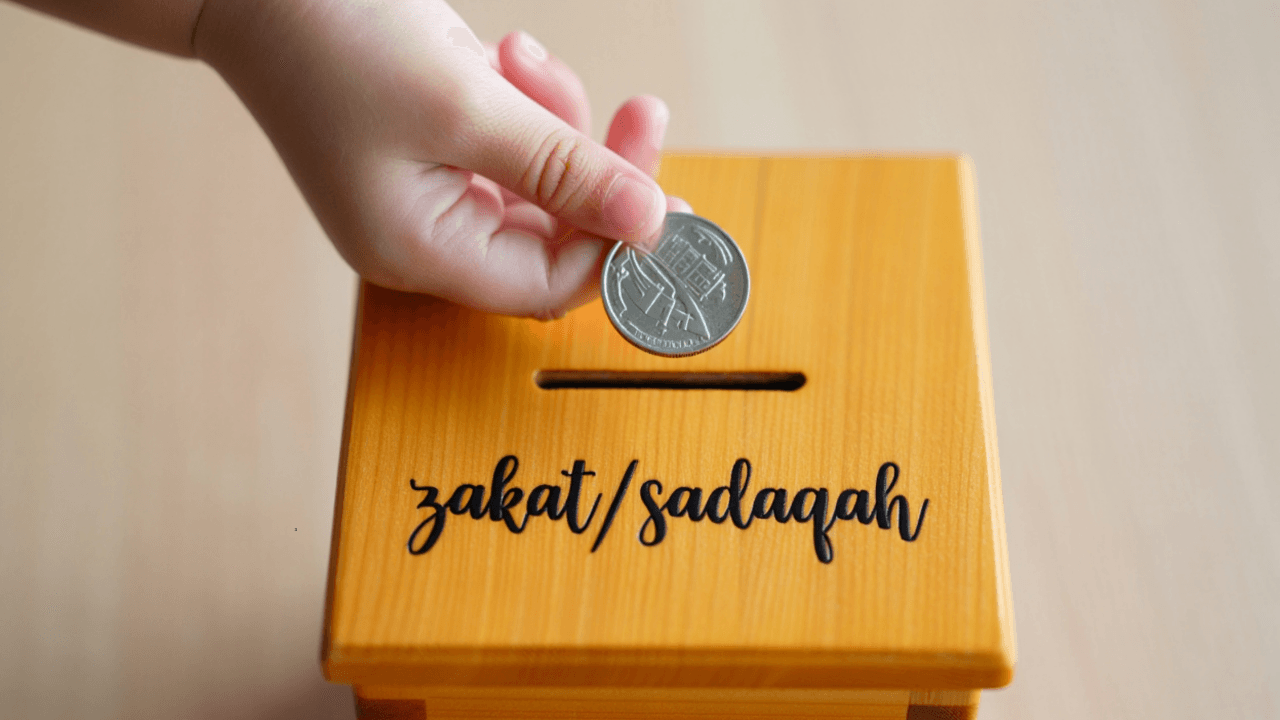
Two of the most important forms of charitable giving in Islam are Zakat and Sadaqah. While both involve giving to those in need, they differ significantly in their requirements, amounts, and purposes. Understanding these differences is essential for every Muslim - especially during Ramadan, when many fulfill their Zakat obligation and increase their voluntary giving.
Ready to compare halal options?
What Is Zakat?
Zakat is one of the Five Pillars of Islam and is an obligatory form of charity. It is a duty upon every Muslim whose wealth exceeds the Nisab threshold (the minimum amount of wealth that makes Zakat obligatory) for a full lunar year. The standard rate for most forms of wealth is 2.5% of eligible assets.
Zakat serves as both a spiritual act of worship and a means of wealth redistribution within the Muslim community. The Quran specifies eight categories of eligible recipients (Surah At-Tawbah, 9:60), including the poor, the needy, those in debt, and travelers in need.
What Is Sadaqah?
Sadaqah is voluntary charity given out of compassion, love, friendship, or generosity. Unlike Zakat, Sadaqah has no minimum amount, no specific percentage, no wealth threshold, and no set time of year. It can be given in any amount, at any time, to any person or cause - and it extends beyond monetary giving to include acts of kindness, sharing knowledge, or even smiling at someone.
The Prophet Muhammad (peace be upon him) said: "Every act of goodness is Sadaqah" (Sahih Muslim). This broad definition means that Sadaqah encompasses all forms of generosity and good deeds.
Key Differences Between Zakat and Sadaqah
| Zakat | Sadaqah | |
|---|---|---|
| Obligation | Obligatory (Fard) - one of the Five Pillars | Voluntary (Nafl) - highly encouraged |
| Who Must Give | Muslims whose wealth exceeds Nisab for one lunar year | Any Muslim, at any time, regardless of wealth |
| Amount | 2.5% of eligible wealth (for most asset types) | Any amount - no minimum or maximum |
| Timing | Once per lunar year, after wealth held above Nisab for a full year (Hawl) | Any time - no restrictions |
| Eligible Recipients | Eight specific categories defined in the Quran (9:60) | Anyone in need - broader scope |
| Assets Covered | Cash, investments, gold/silver, business assets, and other eligible wealth | Money, goods, time, knowledge, or any act of kindness |
| Consequences of Not Giving | Sinful to withhold when obligatory | No sin - but highly rewarded when given |
Can You Give Zakat During Ramadan?
Stay Updated
Get halal finance updates, new provider alerts, and expert insights
No spam ever. Unsubscribe in one click.
Yes. While Zakat can be paid at any time once the obligation is met, many Muslims choose to pay during Ramadan because the rewards for good deeds are multiplied during this blessed month. However, it is important to note that your Zakat due date is based on your personal Hawl (the date your wealth first exceeded Nisab), not the Islamic calendar month. Paying early (before your due date) is generally considered acceptable by scholars, but consult with a qualified Islamic scholar for guidance on your specific situation.
Sadaqah Jariyah: Ongoing Charity
Sadaqah Jariyah is a special category of voluntary charity that continues to benefit others long after it is given. Examples include building a well, funding education, planting trees, or contributing to the construction of a mosque. The Prophet Muhammad (peace be upon him) said: "When a person dies, their deeds come to an end except for three: ongoing charity (Sadaqah Jariyah), beneficial knowledge, or a righteous child who prays for them" (Sahih Muslim).
How to Calculate Your Zakat
Calculating Zakat requires determining your total eligible wealth and whether it exceeds the Nisab threshold. Our Zakat calculator uses live gold and silver prices to determine the current Nisab value and helps you calculate your obligation across different asset types including cash, stocks, retirement accounts, real estate, and business assets.
For a detailed breakdown of Zakat on specific assets, visit our guides on Zakat on cash, Zakat on stocks, Zakat on 401k and IRA, and Zakat on real estate.
Compare providers in your state
See side-by-side comparisons of Shariah-compliant products, or let our matcher recommend the best options for your situation.
Note: Zakat calculations can vary based on scholarly interpretation and individual circumstances. Always consult with qualified Islamic scholars for guidance specific to your situation.