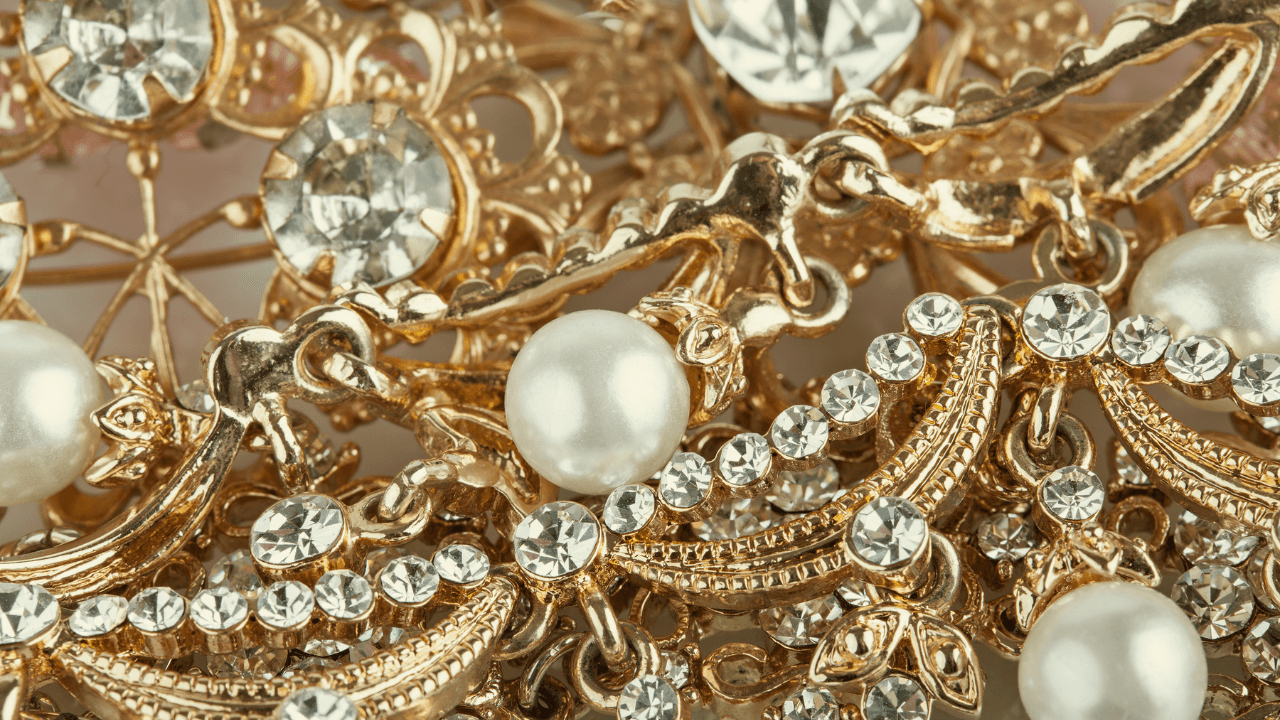
A woman has a gold necklace worth $3,000. She wears it regularly. Does she owe zakat on it? The answer depends entirely on which school of Islamic jurisprudence she follows. This is one of the most common zakat questions - and one where scholars genuinely disagree. Both positions have real scholarly grounding.
The short version: the Hanafi school says yes, zakat is due on gold and silver jewelry regardless of whether you wear it. The majority (Maliki, Shafi'i, and Hanbali schools) says no, jewelry worn for personal use is not zakatable. Neither position is fringe - both have been held by major scholars across centuries. For an overview of zakat more broadly, see HalalWallet's zakat resource center.
Ready to compare halal options?
The Hanafi position: all gold and silver jewelry is zakatable
The Hanafi school holds that gold and silver have inherent monetary value. They are not like furniture, clothing, or a car - assets that have value but aren't money. Gold and silver are money, or were money, and their capacity to function as wealth doesn't disappear just because you've shaped them into jewelry. The physical form doesn't change the essence.
The reasoning draws on prophetic narrations where the Prophet (pbuh) asked women about gold bracelets and whether they paid zakat on them. The Hanafi scholars read these narrations as establishing that zakat is owed on gold regardless of form. This position is dominant in South Asia and is what most Hanafi scholars teach today.
In practice: if you follow the Hanafi school and own gold or silver jewelry that exceeds the nisab threshold (87.48 grams of gold or 612.36 grams of silver), you owe 2.5% of its value each year after the lunar year (hawl) passes. The nisab thresholds for 2026 are detailed in this year's nisab guide. You calculate based on the current market value of the gold or silver content, not the retail price of the jewelry (which includes craftsmanship markup).
The majority position: personal-use jewelry is exempt
The Maliki, Shafi'i, and Hanbali schools all take the view that jewelry worn regularly for personal use is exempt from zakat. Their reasoning: zakat targets wealth - assets held or growing. Jewelry you wear is no different in principle from the clothes on your back. It's being used, not saved or invested.
The majority position also points to narrations from the companions of the Prophet where women were instructed not to pay zakat on jewelry they wore. Aisha (ra) reportedly kept jewelry for her nieces and didn't calculate zakat on it. Some Maliki scholars cite this as evidence that personal-use jewelry was understood to be exempt among the first Muslim community.
The key phrase in the majority position is "personal use." Jewelry you actually wear falls outside zakat. Jewelry sitting in a safe as an investment, jewelry you bought to sell, or jewelry you never wear - that's a different story. The majority treats that more like gold held for investment, which is zakatable.
Where the majority draws the line
Even scholars who exempt personal jewelry set limits. Most Maliki and Hanbali scholars hold that excessive jewelry - amounts beyond what's reasonable for your situation - is zakatable even if you technically wear it. What counts as excessive isn't a fixed number; it's a judgment call based on your circumstances. A woman who owns 50 gold bangles she rotates through may be in different territory than a woman with a single necklace.
Jewelry that's been stored and not worn for a full lunar year also raises questions. Some scholars in the majority camp say jewelry that sits unworn long enough starts to look more like investment-held gold than personal-use property, and zakat should apply. There's no universal rule on how many months of non-use changes the status - consult a scholar if this applies to you.
What about silver, diamonds, and non-gold jewelry?
Silver follows the same madhab split as gold - Hanafi says zakatable, majority says personal-use silver jewelry is exempt. The silver nisab is 612.36 grams. For a detailed breakdown of zakat calculations on gold and silver, see the gold and silver zakat guide.
Diamonds, gemstones, platinum, and other precious metals are not subject to zakat under any of the four major schools when held for personal use. Zakat on jewelry specifically addresses gold and silver. Diamonds have no zakat unless they're held for trade as a business asset, in which case they fall under commercial goods and business asset zakat rules.
How to calculate zakat on jewelry if you follow the Hanafi school
Get every halal provider graded (free PDF)
Every US halal provider graded on Shariah integrity, transparency, and value - the full scorecard PDF, plus alerts when grades change
No spam ever. Unsubscribe in one click.
Step one: determine the pure gold or silver weight in your jewelry. Most jewelry is not 100% pure - 24-karat gold is pure, 18-karat is 75% gold, 14-karat is 58.3%. Weigh the piece and multiply by the purity fraction to get the pure gold weight.
Step two: check if you've held this jewelry for a full lunar year. If yes, and the total gold or silver you own exceeds nisab, zakat applies.
Step three: calculate 2.5% of the current market value of the pure gold or silver content. Not the resale value of the jewelry - the gold content value. Check the current gold spot price to get an accurate number. For a full picture of which assets count toward or against your zakat total, see which assets are exempt from zakat.
Which position should you follow?
Follow the position of your madhab. If you're Hanafi, your scholars hold that jewelry zakat is obligatory. If you're Maliki, Shafi'i, or Hanbali, your scholars hold that regularly worn personal jewelry is exempt.
If you're not sure which school you follow, or if you're a convert figuring this out for the first time, the practical default many contemporary scholars suggest is to follow the Hanafi position for zakat on jewelry. It's the more cautious approach: if there's genuine disagreement about whether something is obligatory, erring toward paying is safer. The worst case is that you gave more charity than strictly required.
Some contemporary scholars recommend consulting with a local Islamic scholar or imam rather than picking a position purely for convenience. This is sound advice, especially when the amounts involved are significant.
Bottom line
The disagreement on jewelry zakat is real and legitimate. Hanafi school: zakat is due on all gold and silver jewelry above nisab after one lunar year. Majority school: regularly worn personal jewelry is exempt, but investment jewelry and excessive amounts are not. Know your madhab, apply it consistently, and consult a scholar if you're on the edge cases.
Frequently asked questions
Does wedding jewelry (mahr) count toward zakat in the Hanafi school? Yes. Once you own gold jewelry for a full lunar year and the amount exceeds the nisab, the Hanafi position applies regardless of how you acquired it. Mahr given as gold jewelry is included in the calculation.
What if I have both worn jewelry and stored gold? Add them together. If you follow the Hanafi school, both count toward your total gold holding. If you follow the majority, the worn jewelry is exempt but the stored gold is not - calculate zakat only on the stored gold (and any jewelry you don't wear).
Do men have to pay zakat on jewelry? Gold and silver jewelry on men raises an additional issue: most scholars hold it's impermissible for men to wear gold (silver rings are an exception with nuance by school). The zakat question is secondary to the permissibility question. If a man owns gold jewelry he's not wearing, the majority would treat it as stored gold, not personal-use jewelry, and zakat would apply.
Compare providers in your state
See side-by-side comparisons of Shariah-compliant products, or let our matcher recommend the best options for your situation.
Can I deduct the value of a loan taken to buy jewelry? Some Hanafi scholars allow deducting loans against zakatable assets. If you borrowed money to buy jewelry and the debt is due, you may be able to deduct it. This is a detailed fiqh question - ask a scholar who knows your full financial picture.
Is there a minimum amount of jewelry below which zakat isn't owed? Yes - the nisab threshold. If your total gold (including jewelry, if you're Hanafi) is below 87.48 grams, no zakat is due. The nisab applies to your total gold across all forms.