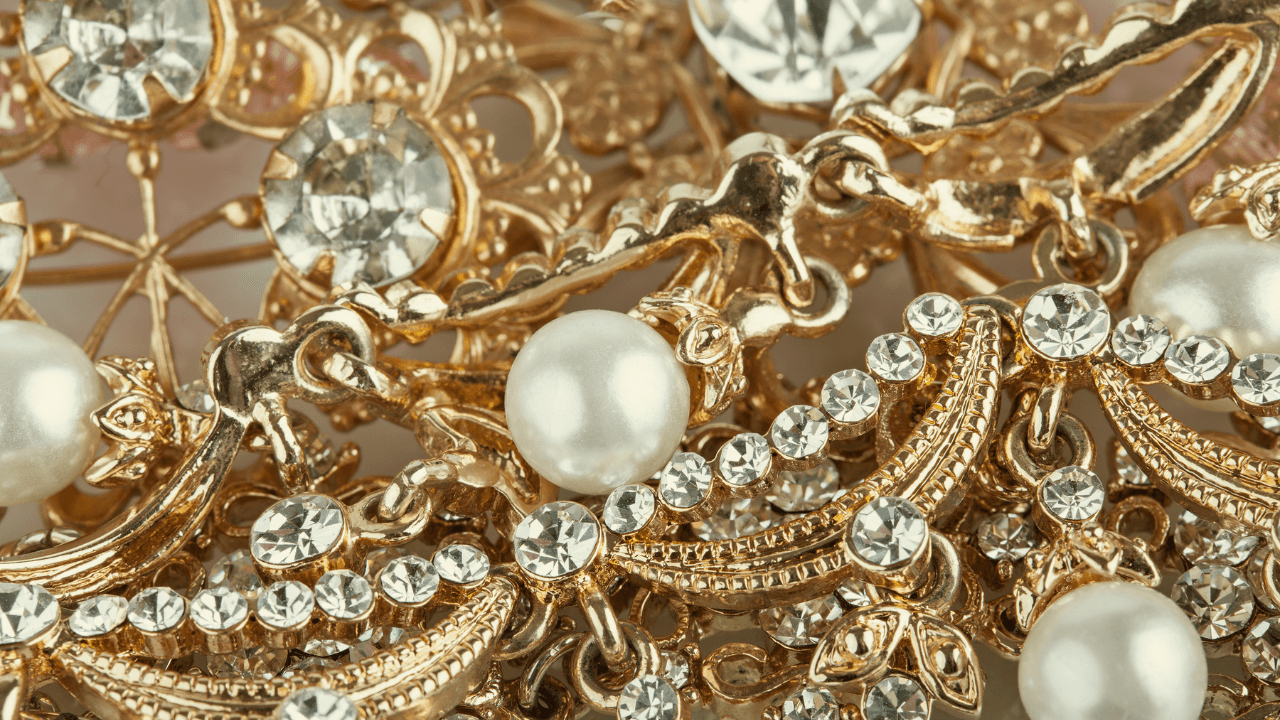
Zakat on gold and silver is 2.5% of market value when your holdings meet or exceed nisab and you have owned them for one lunar year (hawl). Rough nisab benchmarks used widely today are about 87.48 grams of gold and about 612 grams of silver. Investment bullion, coins, and gold ETFs count under all four schools. Jewelry is the contested piece: Hanafis generally include all gold jewelry; Maliki, Shafi'i, and Hanbali scholars often exempt regularly worn personal jewelry.
This 2026 U.S. guide gives the calculation method, a madhab table for jewelry, how to combine metals with cash and investments, and where to pay. Use the HalalWallet zakat calculator for current nisab dollar values, then see nisab threshold 2026 and where to give zakat.
Ready to compare halal options?
Quick Answer: Do You Owe Zakat on Gold or Silver?
- Yes on investment gold/silver (bars, coins, ETFs) above nisab after one hawl, at 2.5% of current market value.
- Jewelry: follow your madhab (table below). Stored or rarely worn pieces lean zakatable across schools.
- Gold-plated items usually do not count; white gold alloys count for their gold content.
- Pay in cash equivalent; you do not need to hand over physical metal.
Nisab Thresholds for Gold and Silver
Most contemporary calculators use approximately 87.48 g gold and 612 g silver. Dollar nisab moves daily with metal prices. At your hawl date, look up the spot price, convert your grams to dollars, then apply 2.5%. Silver nisab is often the lower dollar threshold, so using silver nisab is the more cautious approach when deciding whether zakat is due on total wealth.
How to Calculate Zakat on Gold and Silver
- Weigh or confirm pure gold/silver grams (exclude non-metal value for fashion pieces when possible).
- Multiply by the market price per gram on your zakat anniversary.
- Pay 2.5% of that value (or of total zakatable wealth if you combine assets).
- Use current market value, not what you paid years ago.
Example: 100 grams of investment gold at $90/gram is $9,000 of value; zakat is $225. Re-run the math each year when prices change.
Jewelry vs Investment Metal by School
| Asset type | Hanafi | Maliki / Shafi'i / Hanbali |
|---|---|---|
| Investment bars, coins, gold ETFs | Zakatable at 2.5% | Zakatable at 2.5% |
| Jewelry worn regularly for adornment | Generally zakatable | Often exempt if truly personal use |
| Jewelry stored / rarely worn | Zakatable | Usually treated as wealth; zakatable |
| Gold-plated fashion items | Negligible gold; typically excluded | Typically excluded |
| White gold (alloy with gold content) | Gold content counts | Personal-use rules same as yellow gold |
Practical rule: follow the school you practice. If unsure, many advisors recommend counting jewelry that sits unused and treating regularly worn modest adornment according to your madhab's view. Ask a trusted local scholar when holdings are large.
Combining Gold, Silver, Cash, and Investments
Zakat is usually assessed on total zakatable wealth, not each metal in isolation. Gold below nisab can still be included once cash, investments, and inventory push you over the threshold. Related guides: zakat on savings and cash, zakat on investments, and zakat on real estate.
Estate Planning Note
Top Providers for This Topic



Free to compare · No sign-up required
Significant gold and silver belong in your Islamic estate plan. See estate planning for U.S.-valid wills that respect faraid and wasiyyah limits.
Get every halal provider graded (free PDF)
Every US halal provider graded on Shariah integrity, transparency, and value - the full scorecard PDF, plus alerts when grades change
No spam ever. Unsubscribe in one click.
Frequently Asked Questions
Does zakat apply to silver jewelry the same way as gold?
Yes. The same madhab split applies. Investment and stored silver are zakatable under all schools. Silver nisab (~612 g) is usually a lower dollar bar than gold nisab.
What if I inherited gold? Does the hawl restart?
A new hawl generally starts when you take possession of inherited metal. If you already held gold above nisab, track carefully; many scholars prefer a conservative combined approach once totals exceed nisab.
Can I pay zakat on gold in cash instead of giving gold?
Yes. Pay the cash equivalent of 2.5% of market value to eligible recipients or organizations. See where to give zakat.
My wedding jewelry sits unworn. Do I owe zakat?
Under Hanafi rulings, yes if above nisab. Under the other three schools, unused jewelry is more likely treated as stored wealth and zakatable. The longer it sits unused, the stronger that case.
Do gold ETFs count?
Yes under all schools when held as a store of wealth. Include the metal exposure value in your zakatable assets and purify any non-compliant income per your fund's guidance.
The Bottom Line
Compare providers in your state
See side-by-side comparisons of Shariah-compliant products, or let our matcher recommend the best options for your situation.
If your gold or silver (including investment metal and, for many Hanafis, jewelry) is above nisab after one lunar year, budget 2.5% of current market value. Confirm jewelry rules with your madhab, combine assets honestly, and pay eligible recipients promptly.