One of the most common objections in Islamic finance is simple: if halal financing is different from a conventional loan, why can the monthly payment look so similar?
Many consumers notice that halal mortgage payments, car financing payments, or total repayment amounts may appear close to conventional options.
That creates confusion and skepticism, especially for people researching halal financing for the first time.
The short answer is that similar payments do not automatically mean identical contracts.
If you are new to the category, first read What Is Halal Financing? (2026 U.S. Guide).
Ready to compare halal options?
Why people think halal financing is the same as interest
Most consumers judge financing through one lens: monthly payment.
If two products both cost around the same amount per month, many people assume they must be economically identical.
But two transactions can produce similar payment amounts while being legally, operationally, and structurally different.
That distinction is at the center of many halal financing debates.
A house still costs money either way
Whether financing is conventional or Islamic, the underlying house, car, or business asset still has real value.
There is still risk, time, administrative cost, servicing cost, legal cost, and capital tied up in the transaction.
Because of that, a provider must still price the deal somehow.
That economic reality is one reason halal financing may produce payments that resemble conventional lending.
Structure matters more than appearance
Islamic finance generally focuses not only on outcome, but on how the transaction is structured.
Instead of simply lending money for interest, halal financing may involve a sale, lease, co-ownership model, or another asset-based arrangement.
That means the more important question is not whether payments look similar, but what the contract is actually doing.
To understand the core concept behind this, read What Is Riba in Modern Banking?
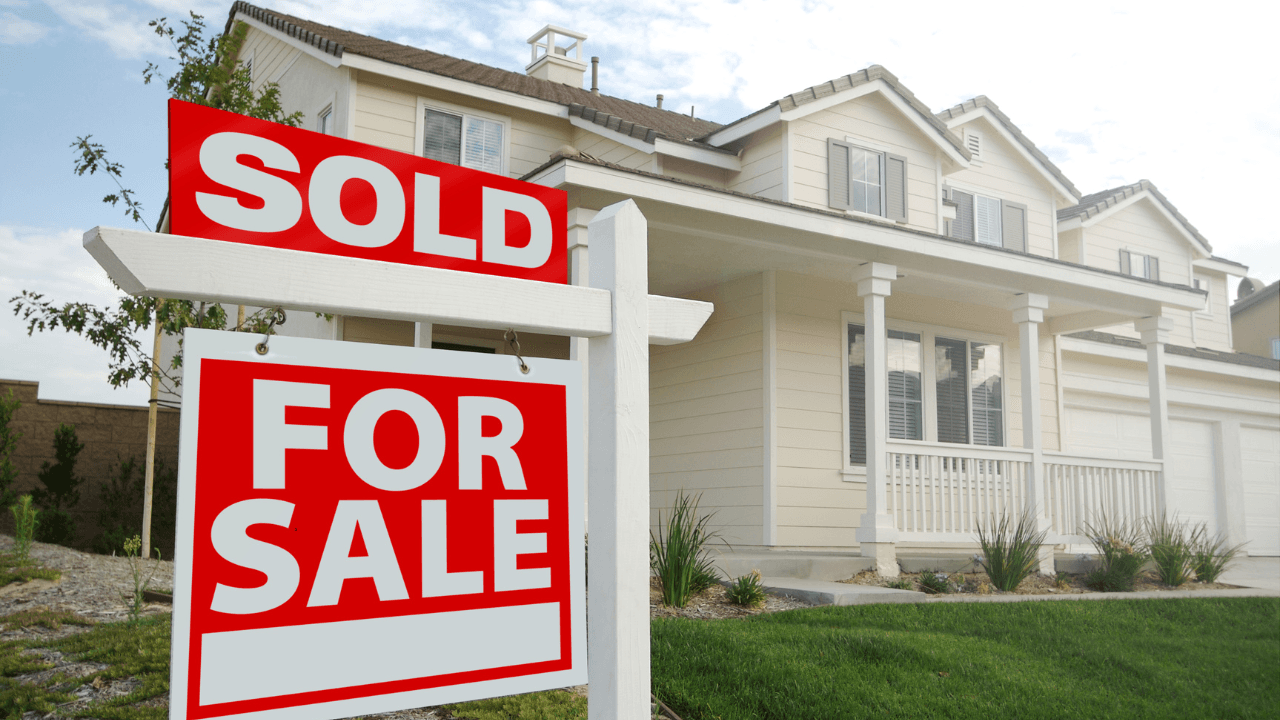
Example with home financing
In a conventional mortgage, a lender typically advances money to the buyer and earns interest over time.
In halal home financing, the provider may use co-ownership, lease-to-own, or cost-plus sale structures depending on the institution.
Even if the monthly payment feels similar, the underlying legal arrangement may differ.
Learn more in Understanding Halal Mortgages in the U.S.
Why providers reference market rates
Another reason halal financing can look similar is that providers still operate inside the broader U.S. economy.
Housing prices, inflation, funding costs, market competition, and benchmark rates all influence pricing decisions across the market.
Even a differently structured transaction may still be priced with awareness of conventional market conditions.
That does not automatically make every structure identical to an interest-bearing loan.
Why some Muslims still remain skeptical
Get every halal provider graded (free PDF)
Every US halal provider graded on Shariah integrity, transparency, and value - the full scorecard PDF, plus alerts when grades change
No spam ever. Unsubscribe in one click.
Not all Muslims agree on every halal financing product.
Some are comfortable with established providers and accepted scholarly opinions.
Others remain cautious and believe some products too closely resemble conventional lending in practice.
This disagreement is real and should be acknowledged honestly.
For a broader discussion, read Are Islamic Mortgages Halal?
What consumers should compare instead
Rather than stopping at monthly payment, consumers should ask deeper questions.
What exact structure is being used?
Who owns the asset during each stage?
How does the provider earn revenue?
What fees exist beyond the payment?
What happens if I pay early or face hardship?
Is the explanation clear and transparent?
Can halal financing still be worth it?
For many consumers, yes.
Some households prioritize values alignment, peace of mind, and avoiding conventional interest-based debt even if the process requires more research.
Others may decide no available option feels strong enough and prefer to wait, save more, or rent longer.
Every household weighs the tradeoffs differently.
If cost is your main concern, read Are Halal Mortgages More Expensive?
The biggest mistake to avoid
The biggest mistake is assuming two products are identical simply because the payment number looks close.
Smart consumers compare both economics and structure.
In Islamic finance, how a deal is arranged can matter just as much as the price.
Final thoughts
Halal financing can look like interest on the surface because homes, cars, and capital still carry real economic costs.
Compare providers in your state
See side-by-side comparisons of Shariah-compliant products, or let our matcher recommend the best options for your situation.
But appearance alone does not settle whether two contracts are the same.
The better approach is to understand the structure, ask sharper questions, compare options carefully, and choose the path that best fits your values and finances.