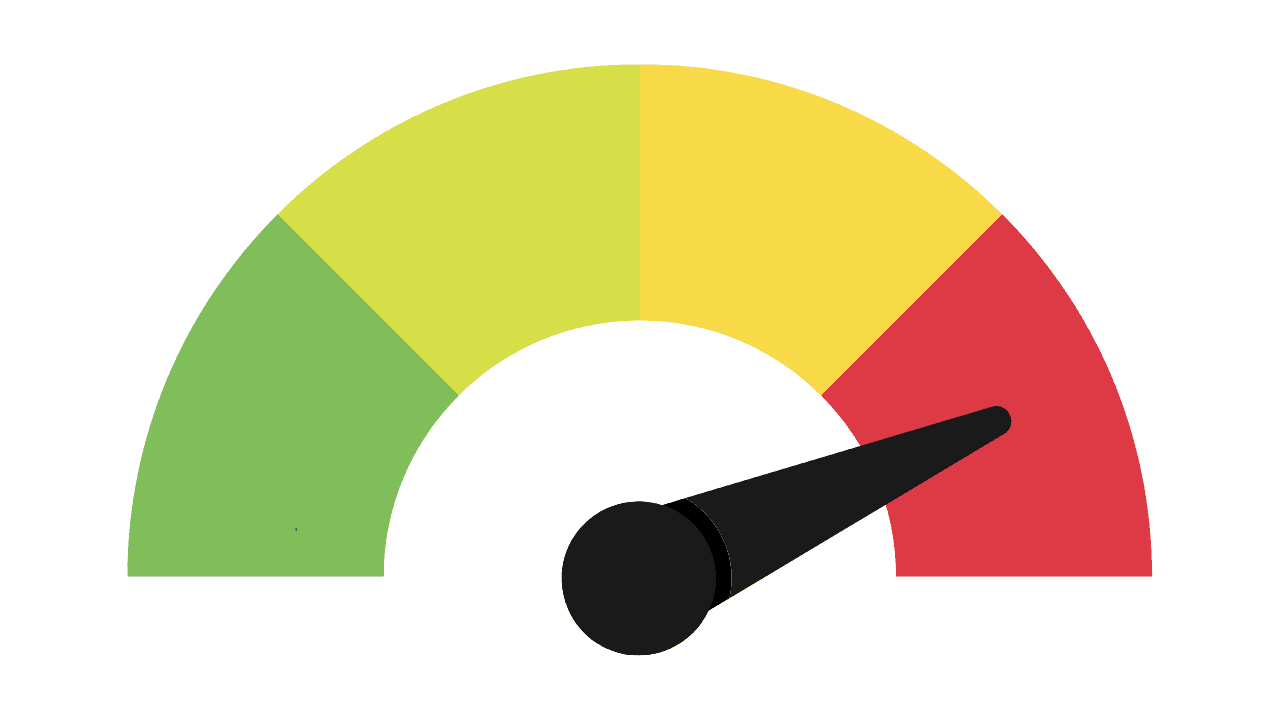
Many consumers searching for halal financing worry about one thing first: can I still qualify if my credit is not strong?
The answer is sometimes yes, but bad credit can reduce options, increase costs, or require stronger income, larger down payments, or more documentation.
This is true in conventional lending and halal financing alike.
If you are new to the category, first read What Is Halal Financing? (2026 U.S. Guide)
Ready to compare halal options?
Can you get halal financing with bad credit?
Yes, in some situations.
Bad credit does not automatically mean denial. Some providers may still approve applicants depending on income, debt levels, savings, down payment size, job history, and the overall risk profile.
However, lower credit scores usually mean fewer providers, stricter review, or higher overall costs.
Why credit still matters in halal financing
Even when financing is structured differently from conventional loans, providers still need to assess risk.
Credit reports can help indicate payment history, existing debt obligations, and past financial behavior.
That means halal financing providers often still review credit as part of underwriting.
Halal home financing with bad credit
Home financing is where many consumers ask this question first.
Because homes involve large amounts and long repayment periods, providers may be especially cautious with lower credit applicants.
A larger down payment, stable income, lower debt-to-income ratio, or strong reserves may help offset weaker credit.
Learn more in Understanding Halal Mortgages in the U.S.
Halal car financing with bad credit
Car financing may sometimes be easier to qualify for than home financing because loan sizes are usually smaller.
Still, poor credit may lead to higher required down payments, more limited vehicle choices, or stricter approval terms.
Consumers should compare the total cost of the agreement, not just monthly payment.
What credit score is needed?
There is no universal minimum credit score across all halal financing providers.
Some providers may publish guidelines while others review files manually based on the full application.
That means two consumers with the same score may receive different outcomes depending on income, assets, and debts.
How to improve approval odds
Top Providers for This Topic


Free to compare · No sign-up required
Pay down revolving debt where possible.
Avoid late payments before applying.
Save for a larger down payment.
Get every halal provider graded (free PDF)
Every US halal provider graded on Shariah integrity, transparency, and value - the full scorecard PDF, plus alerts when grades change
No spam ever. Unsubscribe in one click.
Reduce unnecessary monthly obligations.
Correct any errors on your credit report.
Show stable employment and income history.
Should you apply now or wait?
That depends on your timeline and how weak the file is today.
If you can materially improve your credit in a few months, waiting may unlock better options.
If you need housing or transportation now, it may still be worth comparing current options while continuing to improve credit.
What to ask a halal financing provider
Do you have a minimum credit score?
How much down payment is required?
Do you manually review applications with weaker credit?
What factors matter most besides score?
How can I become a stronger applicant?
Do not assume denial
Many consumers disqualify themselves too early.
A weak score matters, but it is often only one part of the file.
Strong income, reserves, and responsible recent behavior may still help.
Compare providers carefully
Different providers may evaluate risk differently.
That is why comparing multiple options can matter even more when your credit is below average.
Start with Best Halal Financing Companies in the USA (2026 Guide).
Final thoughts
Compare providers in your state
See side-by-side comparisons of Shariah-compliant products, or let our matcher recommend the best options for your situation.
Yes, halal financing with bad credit can be possible, but weaker credit usually means fewer choices and tougher approval standards.
The smartest move is to strengthen your file, compare providers, and understand the total cost before committing.