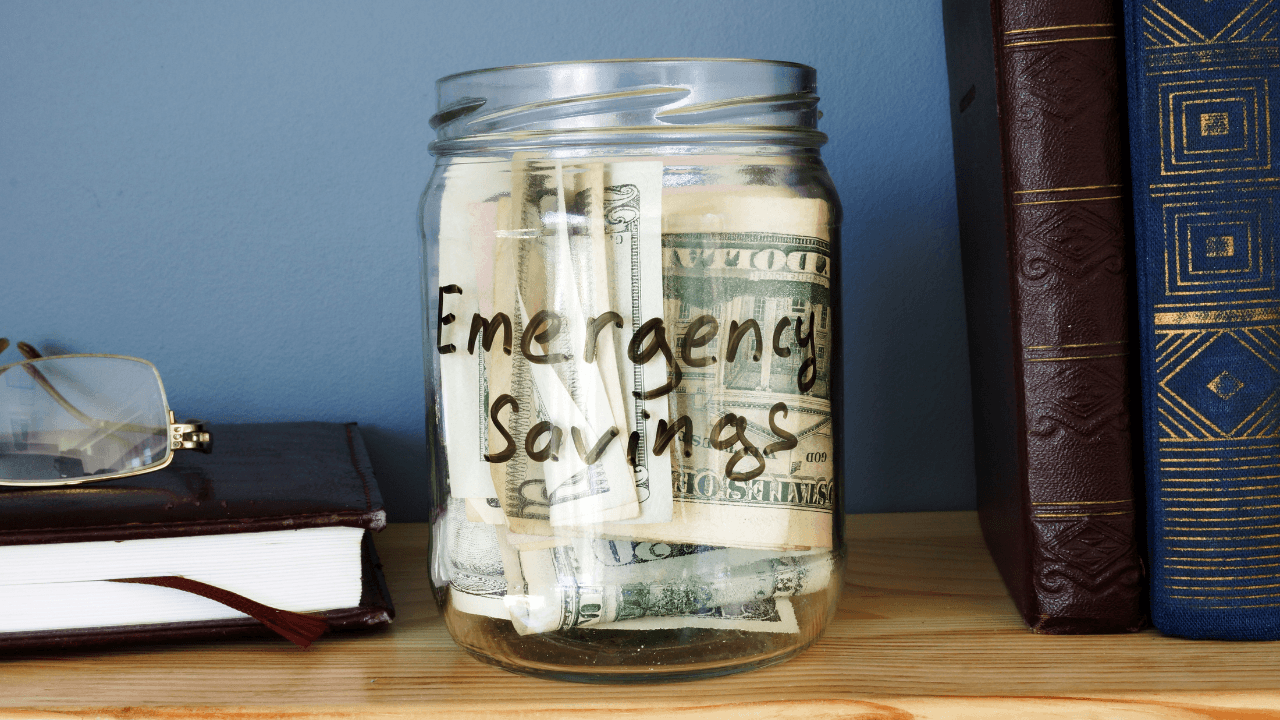
An emergency fund is one of the most important financial habits. It protects against unexpected expenses such as job loss, medical bills, or urgent repairs.
Many Muslims ask where to store these savings since traditional savings accounts often pay interest.
Ready to compare halal options?
Why an Emergency Fund Matters
Emergency savings are not meant for investment or growth. The purpose is stability and immediate access so you can avoid borrowing money during difficult situations.
Browse and compare halal investing platforms to find the right fit for your portfolio.
What Makes Emergency Funds Different
- Fast access (liquidity)
- Stable value
- Reliability
Because accessibility is the priority, returns are less important than availability.
Option 1: Non-Interest Checking Account
Many Muslims keep emergency savings in a checking account for immediate access and simplicity, even though the funds do not grow.
Explore our guide to halal ETFs available to U.S. investors.
Top Providers for This Topic



Free to compare · No sign-up required
Option 2: Carefully Managed Savings Account
Get every halal provider graded (free PDF)
Every US halal provider graded on Shariah integrity, transparency, and value - the full scorecard PDF, plus alerts when grades change
No spam ever. Unsubscribe in one click.
Some individuals use a savings account while monitoring any interest earned and removing or donating it rather than treating it as personal income.
Option 3: Cash Management Accounts
Certain financial platforms provide payment-focused accounts that function similarly to checking accounts. It is important to review account features to confirm whether returns or interest are included.
What to Avoid
Related reading: Beginner Investing Guide for Muslims · What Makes a Stock Halal · Shariah Stock Screening Guide
- Stocks
- Mutual funds
- Retirement accounts
- Real estate
These assets may fluctuate in value or be difficult to access quickly during emergencies.
How Much to Save
A common guideline is three to six months of essential expenses including housing, food, utilities, transportation, and insurance.
Compare providers in your state
See side-by-side comparisons of Shariah-compliant products, or let our matcher recommend the best options for your situation.
Final Thought
An emergency fund provides stability and helps avoid crisis-driven borrowing. Accessibility and safety are more important than maximizing returns.