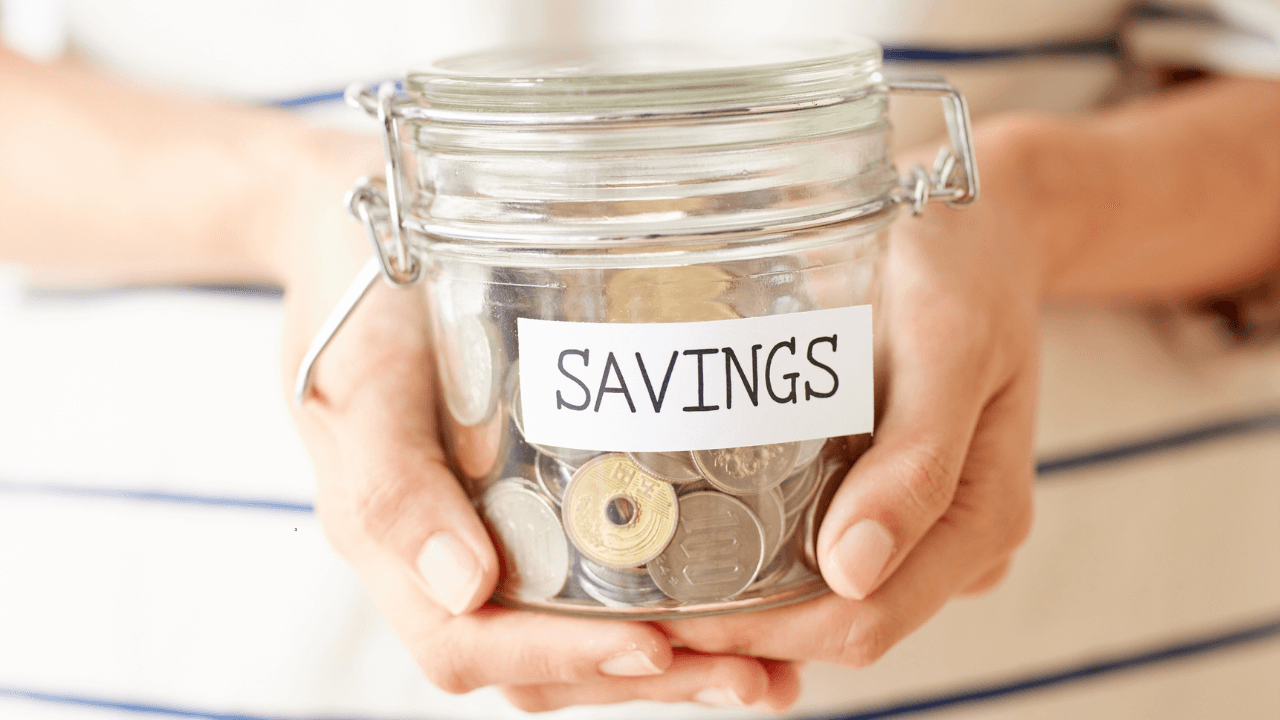
Are savings accounts haram? The interest is - and that's the part you can control. A conventional savings account pays a guaranteed return on deposited money, which is riba, so intentionally earning it is impermissible by near-unanimous scholarly agreement. But simply having an account is not: scholars permit keeping money in banks for safekeeping, since modern life requires it and cash under a mattress is neither safe nor practical. The ruling turns on whether you're using the account to store money or to earn interest.
This guide walks through how savings accounts actually work, why the interest is prohibited regardless of the amount, what to do with interest you've already been paid, and the compliant ways to hold your emergency fund and savings.
Ready to compare halal options?
How Savings Accounts Work
When you deposit money in a savings account, the bank holds the funds and uses them in its operations and lending activities. In return, the bank pays interest.
Compare halal bank accounts across the U.S. - including checking, savings, and CDs.
Legally, this resembles lending money to the bank with a guaranteed increase over time.
See our directory of halal banks in the U.S. offering Shariah-compliant banking services.
Why Interest Is a Concern
Islam prohibits guaranteed profit from lending money due to time. Because bank interest is a predetermined return, many scholars classify it as riba.
Can Muslims Have Bank Accounts?
Modern life requires financial accounts for salaries, bills, and payments. Many scholars therefore permit maintaining accounts while avoiding benefiting from interest.
Common Practical Approaches
- Use checking accounts for transactions
- Choose non-interest accounts if available
- Keep limited savings balances
- Donate interest received without intention of reward
Why Avoiding Banks Is Difficult
Employers and landlords often require electronic payments, and keeping large amounts of cash is unsafe and impractical.
High-Yield Savings Accounts
Higher returns do not change the analysis - they sharpen it. A high-yield savings account (HYSA) is the same interest contract at a bigger rate: the return is guaranteed, tied to time rather than any business risk, and therefore riba whether it pays 0.01% or 5%. The 'yield' being competitive is precisely why the question comes up so often, and precisely why it matters: earning $500 of riba is not more permissible than earning $5. See our dated verdict with scholar positions: Are high-yield savings accounts halal?
Islamic Alternatives
Top Providers for This Topic



Free to compare · No sign-up required
Related reading: What Is Riba? (with Examples) · Halal Savings Accounts Compared · Are HYSAs Halal? The Verdict · Is Having a Bank Account Haram?
Stay Updated
Get halal finance updates, new provider alerts, and expert insights
No spam ever. Unsubscribe in one click.
Some institutions offer non-interest accounts or alternative structures, though availability varies by location.
Explore all halal financial products available to Muslims in the United States.
Practical Perspective
Many Muslims treat bank accounts as payment tools rather than profit-generating investments.
What to Do With Interest You've Already Earned
If interest has already been credited - most people discover the ruling after years of a normal account - scholars are consistent on the remedy: don't keep it, and don't panic about it. Calculate the interest received, remove it from your balance, and give it to charity without expecting spiritual reward (it is disposal of impure income, not sadaqah in the ordinary sense). It cannot be used for your own benefit, your taxes, or your zakat - interest and zakat are separate obligations, and zakat is calculated on your halal wealth. Going forward, switch the account type or bank so it stops accruing; our purification calculator handles the math for investment income the same way.
Frequently Asked Questions
Is having a savings account haram?
No - having the account is permissible; earning interest through it is not. Scholars distinguish custody from profit: storing money at a bank for safety and bill-paying is a genuine need and allowed, while opting into a guaranteed return on the deposit is riba. If your bank credits interest automatically, dispose of it to charity and consider a non-interest account.
Is it haram to earn interest on savings?
Yes. Interest on a savings deposit is the textbook case of riba - a guaranteed increase on money for time, with no trade, risk-sharing, or underlying asset. This is among the least-disputed rulings in Islamic finance; the practical questions are all downstream: how to dispose of interest already received, and where to hold savings instead.
Are high-yield savings accounts (HYSAs) haram?
Yes - a HYSA is the same interest contract at a higher rate, so the ruling doesn't improve with the yield. The compliant way to get a return on cash-like savings is a profit-sharing (mudarabah-style) deposit or a screened low-risk investment such as a sukuk fund, where the return comes from real activity and is not guaranteed. Compare current options at our halal savings accounts guide.
Where should I keep my emergency fund?
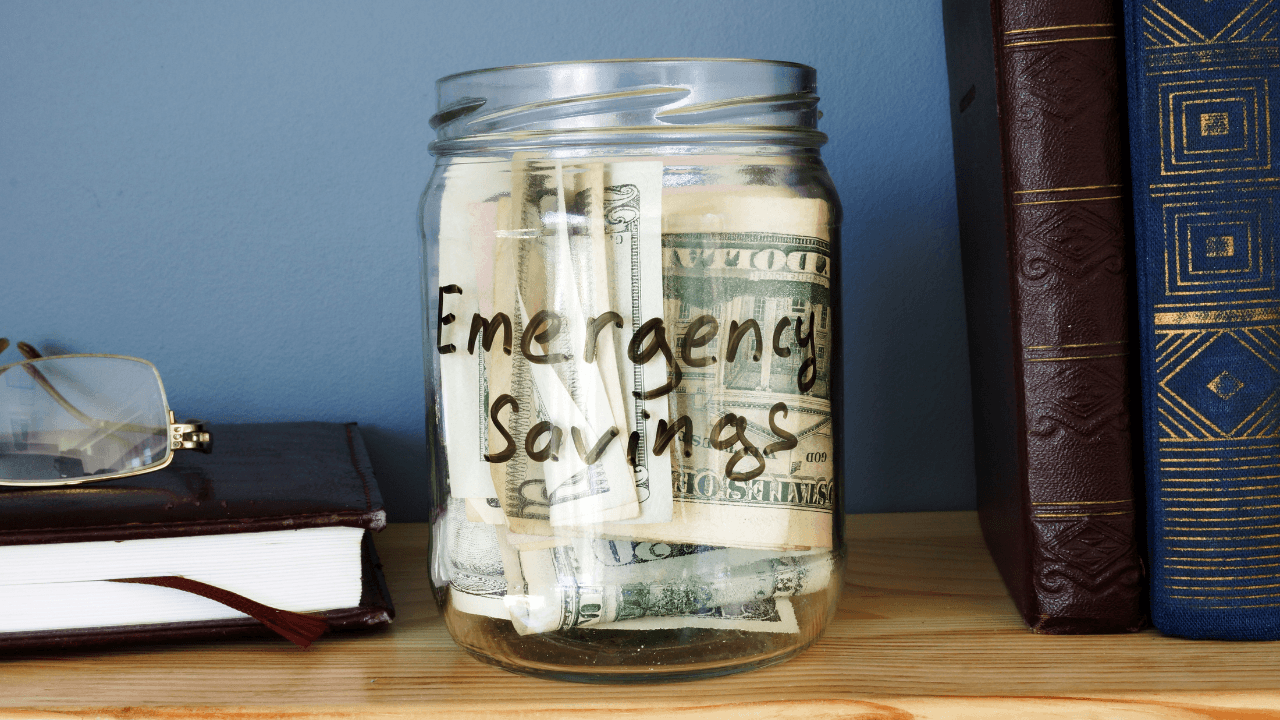
A non-interest checking or savings account is the cleanest answer - the money stays liquid and FDIC-insured without accruing riba. Several U.S. institutions offer explicitly interest-free accounts, and some fintechs offer profit-sharing alternatives for the portion of savings you can leave untouched. For money beyond the emergency fund, screened investments generally serve the growth role that a HYSA plays in conventional advice.
Compare providers in your state
See side-by-side comparisons of Shariah-compliant products, or let our matcher recommend the best options for your situation.
Final Thought
Scholars generally recognize the necessity of safe money storage while advising Muslims to avoid benefiting from interest where possible.