When major global events happen - like conflict involving Iran - markets often react quickly. Oil prices move, headlines get dramatic, and investors start asking: what does this actually mean for me?
The reality is that while these events matter, the way they affect your finances is often more predictable than it seems.
Ready to compare halal options?
Why Oil Prices Move First
The biggest immediate impact of Middle East conflict is usually on oil.
This is because a large portion of the world’s oil supply passes through key regions like the Strait of Hormuz.
When supply is threatened, prices tend to rise quickly - even before actual shortages occur.
In recent events, oil prices have surged above $100 per barrel as markets react to potential disruptions.
How Higher Oil Prices Affect Everything Else
Oil is not just about gas - it affects the entire economy.
- Higher gas prices at the pump
- More expensive shipping and logistics
- Rising food and grocery costs
- Increased inflation overall
Because fuel is a major input cost, price increases tend to ripple through almost every industry.
What Happens to the Stock Market?
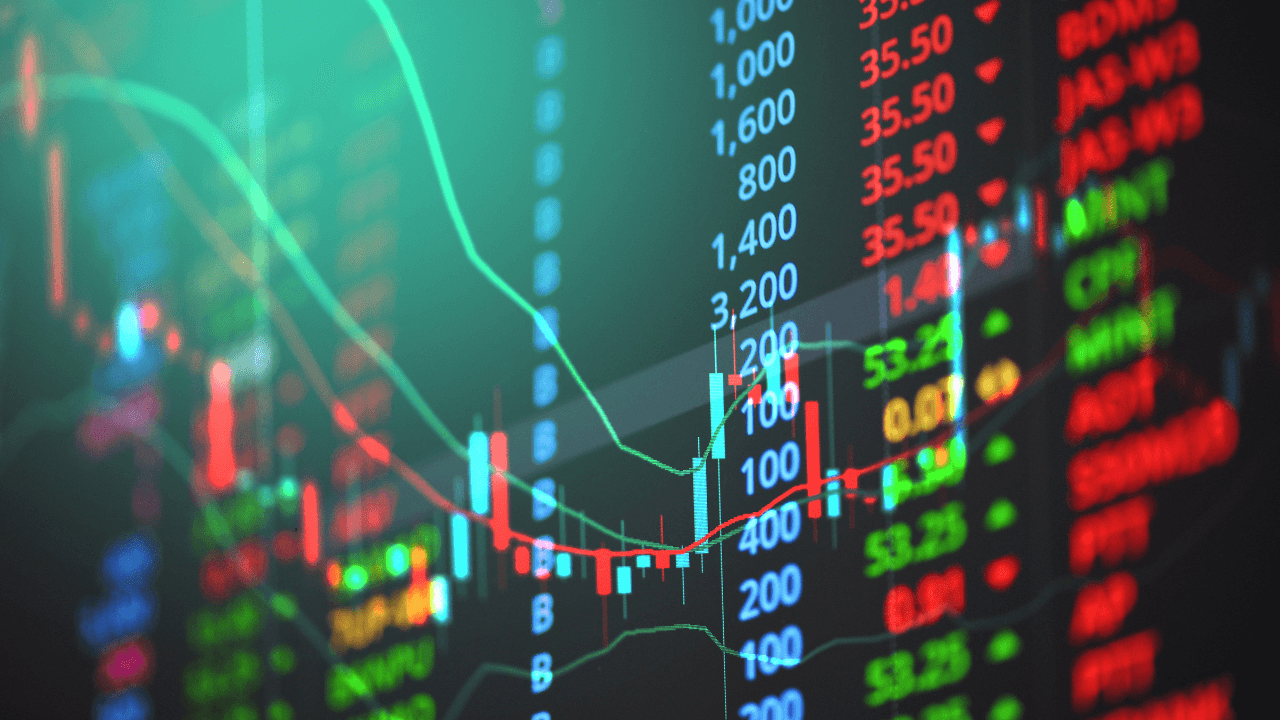
Markets usually become more volatile during geopolitical events.
Some sectors may struggle - especially consumer companies affected by higher costs - while others may benefit, like energy companies.
However, broad market reactions are often smaller than people expect.
The Biggest Risk: Inflation
The real long-term impact is often inflation.
Higher oil prices increase costs across the economy, which can lead to rising prices for everyday goods and services.
This is why global events can eventually affect interest rates and borrowing costs.
What Should You Actually Do?
For most people, the best response is surprisingly simple.
Top Providers for This Topic



Free to compare · No sign-up required
1. Don’t Panic
Markets react quickly to news, but long-term trends are driven by broader economic factors - not single events.
Stay Updated
Get halal finance updates, new provider alerts, and expert insights
No spam ever. Unsubscribe in one click.
2. Stick to Your Plan
If you have a long-term investment strategy, sudden changes based on headlines can do more harm than good.
If you don’t have one yet, start here:
3. Focus on Diversification
Diversified portfolios are designed to handle uncertainty.
4. Be Aware of Your Exposure
Some assets are more sensitive to global events than others.
If you’re unsure how your investments are positioned:
https://www.halalwallet.us/score
How This Connects to Islamic Finance
Islamic finance emphasizes long-term, asset-backed investing rather than speculation.
This approach naturally aligns with staying disciplined during uncertain periods.
If you're building a strategy:
How to Build a Halal Portfolio
The Bottom Line
Events like the Iran conflict can move markets quickly - but they rarely change long-term financial outcomes on their own.
Compare providers in your state
See side-by-side comparisons of Shariah-compliant products, or let our matcher recommend the best options for your situation.
The biggest impact usually comes through oil prices and inflation - not immediate market crashes.
For most people, the best move is to stay informed, stay disciplined, and focus on long-term decisions.