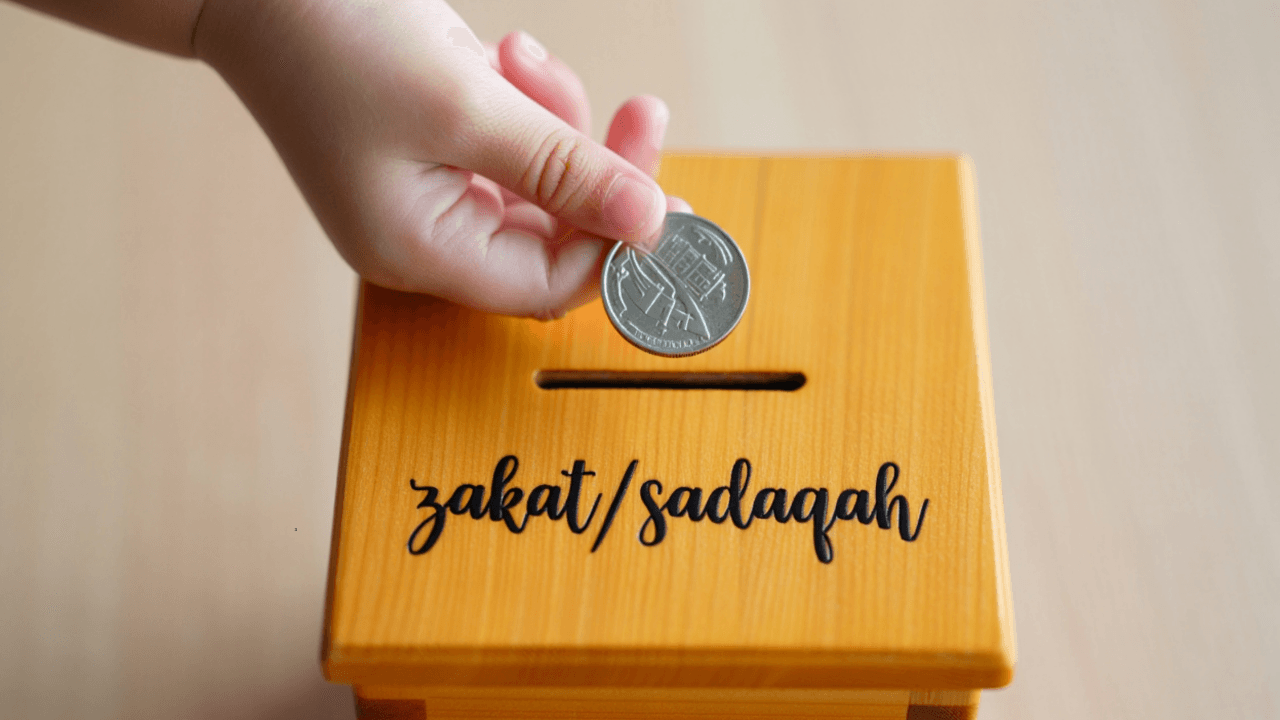
Ramadan is the most popular time for Muslims to fulfill their annual Zakat obligation, as the rewards for good deeds are multiplied during this blessed month. Whether you're paying Zakat for the first time or want to make sure you're doing it correctly, this guide covers everything you need to know for Ramadan 2026.
Ready to compare halal options?
When Is Zakat Due?
Technically, Zakat becomes due when your wealth has exceeded the Nisab threshold for a full lunar year (Hawl). Your personal Zakat due date depends on when your wealth first crossed this threshold - it is not automatically tied to Ramadan.
However, many scholars consider it permissible to pay Zakat early before your Hawl date arrives, especially during Ramadan. If you are unsure of your exact Hawl date, consult with a qualified Islamic scholar. Many Muslims choose a fixed date each year (such as the 1st of Ramadan) to simplify tracking.
Step-by-Step Zakat Checklist for Ramadan
- Step 1: Determine your Nisab - Check the current gold or silver Nisab value using our Zakat calculator, which uses live precious metal prices
- Step 2: List all eligible assets - Cash, savings, investments, retirement accounts, gold/silver, business assets, real estate held for investment, and cryptocurrency
- Step 3: Determine current values - Use current market values (not purchase prices) for all assets as of your Zakat calculation date
- Step 4: Subtract eligible debts - Deduct immediate debts and near-term obligations (consult a scholar about which debts qualify)
- Step 5: Check against Nisab - If your net eligible wealth exceeds the Nisab, Zakat is due
- Step 6: Calculate 2.5% - Multiply your net eligible wealth by 0.025 (2.5%)
- Step 7: Choose eligible recipients - Give to one or more of the eight Quran-specified categories
- Step 8: Keep records - Document your calculation, the amount paid, and the recipients for your personal records
What Assets Are Included in Zakat?
The following types of wealth are generally considered eligible for Zakat, though specific treatment can vary by scholarly opinion:
| Asset Type | Treatment | Learn More |
|---|---|---|
| Cash & Bank Accounts | Include all checking, savings, and money market balances | Zakat on Cash |
| Stocks & Investments | Current market value of all holdings | Zakat on Stocks |
| Retirement Accounts | Treatment varies by scholar - some include full value, others partial | Zakat on 401k & IRA |
| Gold & Silver | Include jewelry above personal use allowances (per scholarly opinion) | Zakat Calculator |
| Cryptocurrency | Current market value of all crypto holdings | Zakat on Crypto |
| Business Assets | Inventory and receivables (operating equipment may be excluded) | Zakat on Business Assets |
| Investment Real Estate | Current market value of properties held for income or sale | Zakat on Real Estate |
Who Can Receive Zakat?
Stay Updated
Get halal finance updates, new provider alerts, and expert insights
No spam ever. Unsubscribe in one click.
The Quran (Surah At-Tawbah, 9:60) specifies eight categories of eligible Zakat recipients:
- Al-Fuqara (The Poor) - Those who lack sufficient means to meet basic needs
- Al-Masakeen (The Needy) - Those who have some income but not enough to live adequately
- Al-Amileen Alayha (Zakat Administrators) - Those who collect and distribute Zakat
- Al-Mu'allafati Qulubuhum (Those Whose Hearts Are to Be Reconciled) - New Muslims or those sympathetic to Islam
- Fir-Riqab (Those in Bondage) - Freeing enslaved people (historically), or helping those in modern forms of servitude
- Al-Gharimeen (Those in Debt) - People burdened by debts they cannot repay
- Fi Sabilillah (In the Cause of Allah) - Various interpretations exist; consult scholars
- Ibn As-Sabil (Travelers in Need) - Stranded travelers who need assistance
Zakat al-Fitr: A Separate Obligation
In addition to annual Zakat on wealth, Zakat al-Fitr (also called Fitrana) is a separate, smaller obligation due at the end of Ramadan before Eid al-Fitr prayers. It is obligatory on every Muslim (including on behalf of dependents) regardless of wealth level. The amount is typically equivalent to one sa' of staple food (approximately 2.5-3 kg of rice, wheat, or dates) or its monetary equivalent. Consult your local mosque or Islamic organization for the current recommended amount in your area.
Tips for Paying Zakat During Ramadan
- Calculate early - don't wait until the last nights of Ramadan when you may rush through calculations
- Use a trusted calculator that covers all asset types
- Verify that your chosen recipient organization actually distributes funds to Zakat-eligible categories
- Keep documentation of your calculation and payment for your personal records
- Consider splitting your Zakat among multiple eligible categories or organizations
- Don't forget Zakat al-Fitr before Eid prayers
Compare providers in your state
See side-by-side comparisons of Shariah-compliant products, or let our matcher recommend the best options for your situation.
Zakat calculations can vary based on scholarly interpretation and individual circumstances. This guide provides general information - always consult with qualified Islamic scholars for guidance specific to your situation.