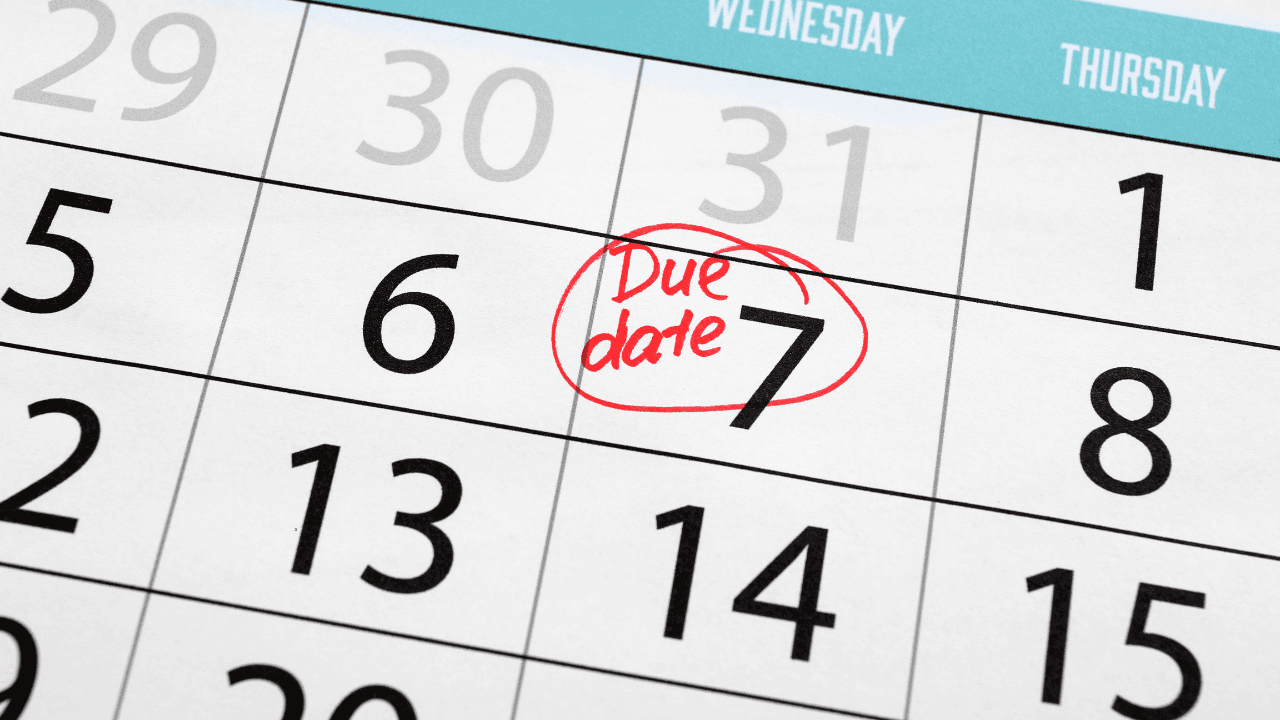
One of the most common zakat questions every year: when is it due? The honest answer is that there's no single due date for everyone. Zakat isn't like a tax return with a fixed April deadline. When you pay depends on your personal circumstances - specifically, when you first accumulated wealth above the nisab threshold.
That said, most Muslims in the U.S. pay during Ramadan, and that practice is encouraged even if it's not technically required. Here's how the actual timing works, what the lunar year cycle means for your calculation, and when Ramadan falls in 2026.
Ready to compare halal options?
What determines your personal zakat due date?
Zakat becomes obligatory once two conditions are met simultaneously: your total zakatable wealth reaches or exceeds the nisab, and you've held that wealth for a complete lunar year - called the hawl. The clock starts when you first hit the nisab threshold, not at the beginning of the Islamic calendar year.
So if you first accumulated wealth above the nisab on March 15, 2025, your zakat for that cycle was due around March 4, 2026 (354 days later, since a lunar year is roughly 11 days shorter than a solar year). Next cycle: approximately February 21, 2027. Your due date creeps earlier every solar year.
For current nisab values in U.S. dollars, see Zakat Nisab 2026 - it covers both the gold and silver thresholds with approximate USD figures.
Why do most Muslims pay during Ramadan?
Ramadan is when the reward for charity is multiplied - this is widely agreed upon by scholars. Many Muslims choose to time their zakat payment to coincide with Ramadan to capture that reward, even if their personal hawl falls at a different point in the year. This is a permissible and commonly followed practice.
Some scholars explicitly permit paying zakat early - before the hawl technically completes - if you want to align with Ramadan. Others say you should wait until your actual anniversary date. Both positions have solid scholarly grounding. The majority view among contemporary scholars is that paying in Ramadan is fine and often preferable.
If you've been using Ramadan as your consistent zakat date for years, there's no problem continuing that practice. Consistency in your zakat date is actually a good thing - it makes the calculation simpler and easier to maintain year over year.
When was Ramadan 2026?
Ramadan 2026 fell approximately from February 17 to March 18, 2026. It's already passed. If you intended to pay during Ramadan this year and missed it, pay as soon as possible - delaying zakat past its due date without a valid reason is a sin in Islamic fiqh. There's no penalty from a legal standpoint, but you should pay promptly.
For the full context on Ramadan and zakat, including Fitrana (Zakat al-Fitr) timing and rates, see What Is Fitrana? - that's a separate and distinct obligation from regular zakat.
What happens if you miss your zakat due date?
Pay it. There's no formal process for making up late zakat - you just calculate what you owed and give it. If you've missed multiple years, calculate each year separately based on your wealth at that time. If records are incomplete, make a reasonable estimate and pay generously. Some scholars say you should add a bit more when estimating to account for the likelihood that your estimate is conservative.
Intentionally delaying zakat after the hawl completes is considered sinful. But people miss it for legitimate reasons - lack of awareness, confusion about the rules, financial hardship. If that's your situation, the right move is to calculate and pay now rather than continuing to delay.
How to track your hawl if you've never kept track
Start today. Pick a date - your birthday, the first day of Ramadan, or any consistent annual marker - and check your wealth against nisab on that date each year. If you're above nisab, calculate and pay. If you're below, you owe nothing for that cycle.
Get every halal provider graded (free PDF)
Every US halal provider graded on Shariah integrity, transparency, and value - the full scorecard PDF, plus alerts when grades change
No spam ever. Unsubscribe in one click.
For anyone who has never tracked their hawl and genuinely doesn't know when they first hit nisab, most scholars say to choose a date, make the best estimate you can, and move forward. The obligation of zakat is serious, but the religion also teaches that Allah does not burden a soul beyond what it can bear. Act in good faith and pay consistently going forward.
Zakat vs. Zakat al-Fitr: different deadlines
Zakat al-Fitr (Fitrana) is a completely separate obligation with a fixed deadline: it must be paid before the Eid al-Fitr prayer at the end of Ramadan. Missing that deadline means you can still give the amount as sadaqah, but it no longer counts as Zakat al-Fitr. This is different from regular zakat, which has your personal hawl-based deadline.
Don't confuse the two. Regular zakat is calculated annually based on your total wealth. Zakat al-Fitr is a per-person flat amount (roughly $10-15 per household member in 2026) paid at the end of Ramadan. Both are obligatory if conditions are met, but they operate on completely different schedules.
Can zakat be paid in installments throughout the year?
Yes, this is permitted. If you know approximately what you'll owe, you can spread the payments out - monthly or quarterly - so the full amount isn't due in one lump sum. The total paid by your hawl anniversary should equal (or exceed) what you calculated. Many people find this easier to manage than a single large payment.
For a complete guide to what counts as zakatable wealth, how to calculate across all your assets, and where to give in the U.S., visit HalalWallet's zakat resource center.
Bottom line
Your zakat is due one lunar year after you first hit the nisab threshold - not on a fixed calendar date that applies to everyone. Ramadan is the most common time U.S. Muslims pay, and paying early to catch Ramadan is permitted. If you've lost track of your hawl, set a consistent date now and start from there. The important thing is paying it, not getting the date perfect.
Frequently asked questions
Is there a single zakat due date for all Muslims? No. Each person's zakat is due based on their personal hawl - the date one lunar year after they first accumulated wealth above the nisab. There's no universal deadline like a tax filing date.
Can I pay zakat before my hawl completes? Most scholars allow paying zakat early, especially to align with Ramadan. A small number of scholars say early payment isn't valid - but the majority position accepts it, particularly when the underlying wealth clearly exceeds nisab.
What if my hawl falls during Ramadan - do I get extra reward? Yes. Giving in Ramadan carries amplified reward, and if your hawl genuinely falls during Ramadan, you get that naturally. If not, paying early to align with Ramadan is still rewarded and widely practiced.
Compare providers in your state
See side-by-side comparisons of Shariah-compliant products, or let our matcher recommend the best options for your situation.
Does the zakat due date change every solar year? Yes. A lunar year is about 354 days - roughly 11 days shorter than a solar year. So your zakat date moves about 11 days earlier each solar year. Over 33 years, it completes a full cycle through the solar calendar.
What if I miss paying zakat for several years? Calculate what you owed each year and pay it all. If you can't determine the exact amount, make a reasonable estimate and err on the side of giving more rather than less. There's no formal penalty structure, but the obligation remains.