Muslim Aid USA is the American chapter of Muslim Aid, a global humanitarian organization originally founded in the UK in 1985. The U.S. entity is based in Manassas, Virginia and was established in 2010. It's one of the newer Muslim charities operating in the U.S. space, but it comes with the institutional backing of a larger global network that's been doing emergency relief and development work for decades.
The short answer: Muslim Aid USA is a legitimate charity with a clear focus on international emergency relief and development. For Muslims who want to give to a globally-connected organization with established field operations, it's a reasonable option. You can compare it with other vetted organizations in HalalWallet's full charity directory.
Ready to compare halal options?
What is Muslim Aid USA?
Muslim Aid is a UK-based international humanitarian organization founded in 1985 during the Live Aid era, when Muslim leaders in Britain wanted to create an Islamic response to the Ethiopian famine. It grew into a global operation with offices across Europe, Asia, and Africa. Muslim Aid USA is the American chapter, incorporated as a 501(c)(3) nonprofit and based in Manassas, Virginia.
The U.S. entity fundraises from American Muslim donors and directs funds through the global Muslim Aid network to programs on the ground. Its focus is international - emergency relief in disaster zones, food security, clean water, education, and livelihood programs in some of the world's poorest communities.
Is Muslim Aid USA zakat-eligible?
Yes. Muslim Aid USA accepts zakat and designates it to eligible categories - primarily the poor and needy (fuqara and masakeen) and those in hardship. Its programs are overwhelmingly focused on direct aid to vulnerable populations, which falls squarely within the categories that Islamic scholars recognize as zakat-eligible.
If you're giving zakat, you can specify that on your donation. As with any charity, it's worth confirming how the organization will apply it and which specific program your donation will fund. Muslim Aid USA's team can provide that information directly.
What programs does Muslim Aid USA run?
Muslim Aid USA's programs mirror the global Muslim Aid network's priorities. The main areas include:
Emergency relief is the most prominent. When earthquakes, floods, or conflict displace populations, Muslim Aid responds with food packages, shelter materials, clean water, and hygiene supplies. The organization has been active in responses to crises in Turkey, Syria, Pakistan, Palestine, Somalia, and elsewhere.
Food security programs go beyond emergency distribution. Muslim Aid runs agricultural support, food vouchers, and livelihoods programs aimed at building long-term food resilience in vulnerable communities, particularly in parts of Africa and South Asia.
Clean water and sanitation projects include well construction, water purification systems, and hygiene education. These tend to be some of the most cost-effective development interventions available to donors.
Seasonal campaigns including Ramadan food packages, Zakat al-Fitr (Fitrana) collection, and Qurbani programs allow Muslims to fulfill specific religious obligations through Muslim Aid USA. These campaigns are well-organized and give donors a clear sense of where their money goes.
Where does Muslim Aid USA operate?
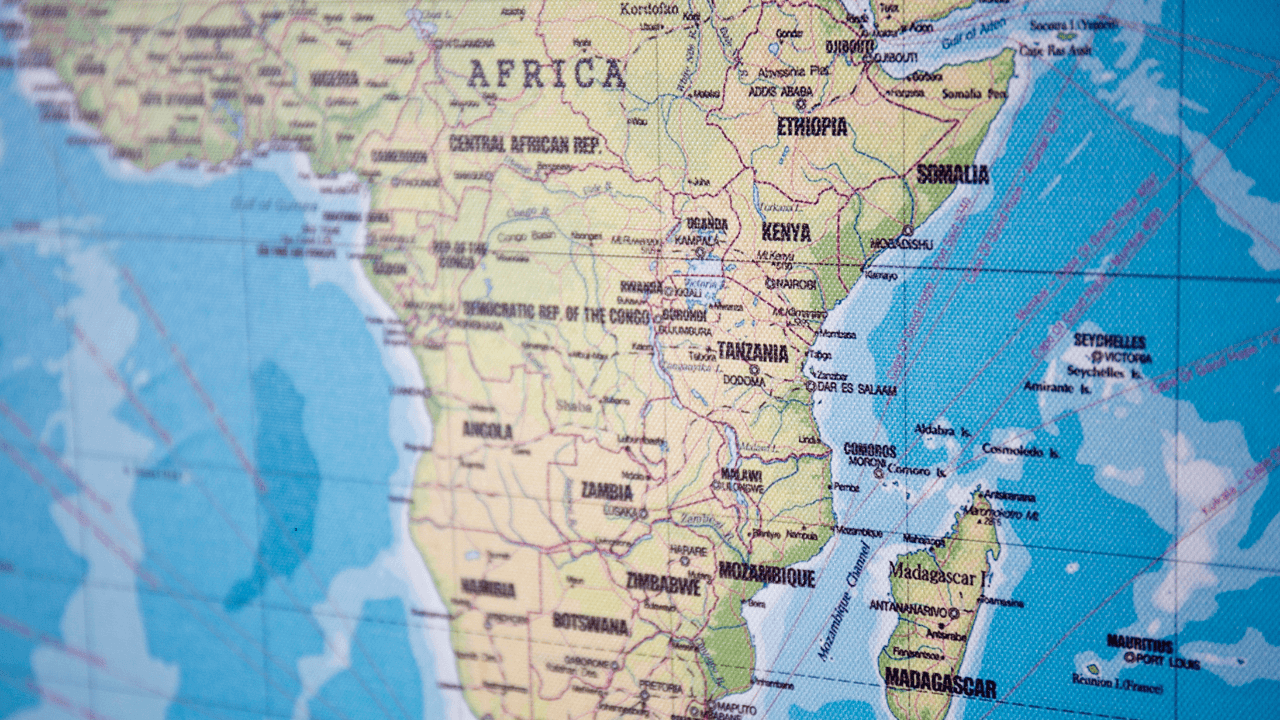
Muslim Aid USA channels funds through the global Muslim Aid network, which has active programs in roughly 30+ countries across Asia, Africa, and the Middle East. The primary geographies include Bangladesh, Pakistan, Somalia, Palestine, Syria, Yemen, Sudan, and parts of Southeast Asia.
Muslim Aid USA does not have domestic U.S. programs. If you're looking to give to underserved American communities, organizations like Penny Appeal USA or ICNA Relief USA have stronger domestic components.
How does its global network structure work?
Muslim Aid USA's relationship to the global Muslim Aid organization is worth understanding. U.S. donations go to the U.S. entity, which then channels them through the network to specific programs. This is a common structure for international chapters of global organizations - similar to how Islamic Relief USA relates to Islamic Relief Worldwide.
The practical benefit for donors is that Muslim Aid has established infrastructure and field presence in many countries that would take years to build from scratch. A newer standalone U.S. charity going into Bangladesh or Somalia would face real logistical challenges that an organization with decades of ground presence has already solved.
Get every halal provider graded (free PDF)
Every US halal provider graded on Shariah integrity, transparency, and value - the full scorecard PDF, plus alerts when grades change
No spam ever. Unsubscribe in one click.
Financial transparency
As a registered 501(c)(3), Muslim Aid USA files IRS Form 990 annually, which is publicly accessible. Donors can review the organization's financials to understand how funds are allocated between programs, administration, and fundraising. For donors who want to dig in, the 990 is the most useful document.
Because Muslim Aid USA channels funds through the global network, full transparency about end-program spending requires looking at the parent organization's reporting as well. Muslim Aid (UK) is a registered charity in England and Wales and files annual accounts with the Charity Commission, which are publicly available.
How does Muslim Aid USA compare to other Muslim charities?
Muslim Aid USA's closest peer is Islamic Relief USA in terms of structure: both are U.S. arms of larger global Islamic humanitarian organizations. Islamic Relief USA is significantly larger by fundraising volume and has more name recognition in the American Muslim community. Muslim Aid USA is smaller but brings the same kind of globally-networked field capacity.
Helping Hand for Relief and Development (HHRD) is a fully U.S.-originated organization with a similar international relief focus. For donors who specifically want to give through an organization built in America rather than an American chapter of a foreign organization, HHRD is a comparable alternative.
Who should give to Muslim Aid USA?
Muslim Aid USA is a solid choice for donors who want to give internationally to emergency relief and development, and who appreciate the institutional backing of a globally-networked organization. Its Ramadan, Qurbani, and Fitrana campaigns are convenient for Muslims who want to fulfill specific obligations through an established process.
It's less suited to donors who want to give domestically, or who specifically want a U.S.-originated organization rather than an American chapter of a global one. The HalalWallet zakat hub has resources to help you think through where your giving should go this year.
Bottom line
Muslim Aid USA is a legitimate international relief organization with the backing of a decades-old global network. For American Muslims who want an internationally-focused, zakat-eligible charity with structured seasonal campaigns and established field operations, it belongs on the shortlist. Compare it directly with other organizations on HalalWallet's charity directory before you give.
Frequently asked questions
Is Muslim Aid USA a legitimate charity? Yes. Muslim Aid USA is a registered 501(c)(3) nonprofit based in Manassas, Virginia. It is the U.S. chapter of Muslim Aid, a global humanitarian organization founded in the UK in 1985.
Can I give zakat to Muslim Aid USA? Yes. Muslim Aid USA accepts zakat and directs it to eligible categories including the poor and needy. Their direct relief programs are generally zakat-eligible.
Where does Muslim Aid USA operate? Through the global Muslim Aid network, the organization works in roughly 30+ countries across Asia, Africa, and the Middle East. Key geographies include Bangladesh, Pakistan, Somalia, Palestine, Syria, and Yemen.
Compare providers in your state
See side-by-side comparisons of Shariah-compliant products, or let our matcher recommend the best options for your situation.
Is Muslim Aid USA the same as Muslim Aid UK? No - they're separate legal entities. Muslim Aid USA is a U.S. nonprofit that channels funds through the global Muslim Aid network. Muslim Aid (UK) is the parent organization, registered in England and Wales.
Does Muslim Aid USA have a Qurbani program? Yes. Muslim Aid USA runs an annual Qurbani campaign during Eid al-Adha. Donors can give their Qurbani obligation through the organization and have it fulfilled in eligible countries.