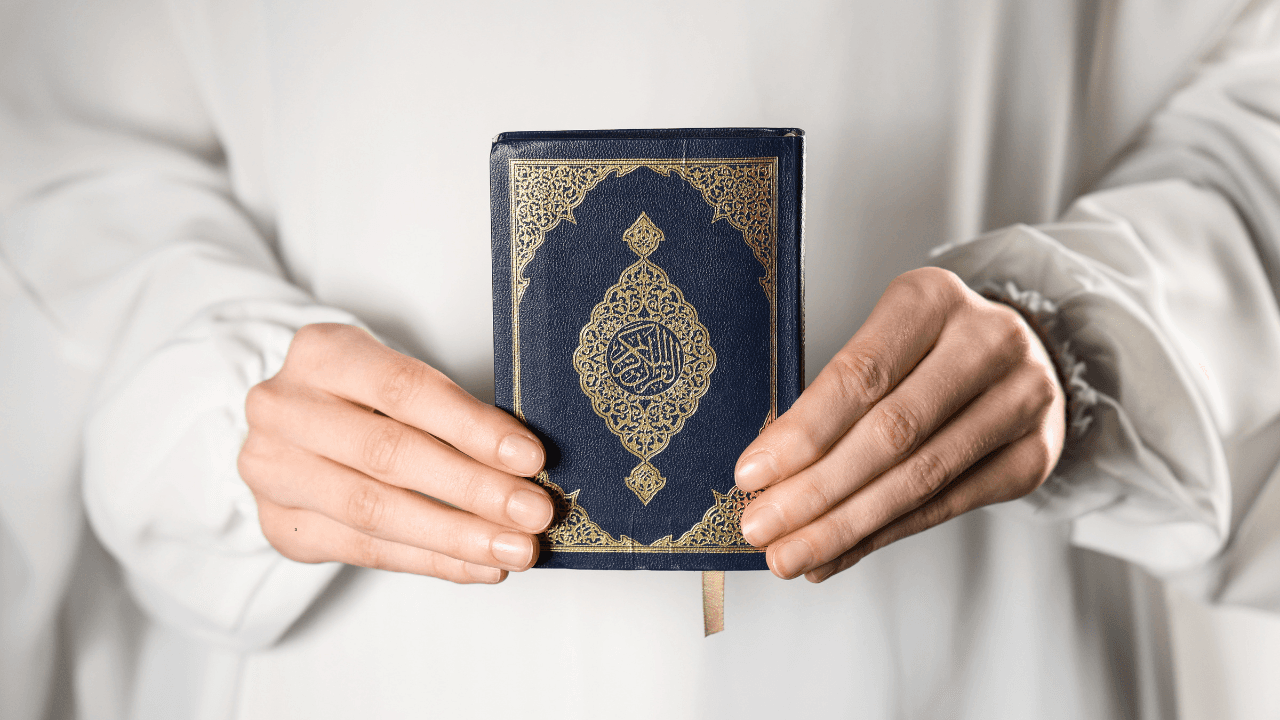
Islamic finance is often seen as a modern alternative to conventional banking, but its roots go back more than 1,400 years. The system is grounded in Islamic law and was originally built around trade, partnerships, and ethical financial behavior rather than lending with interest.
To fully understand how Islamic finance works today, it is important to understand where it came from and how its core principles developed over time.
Ready to compare halal options?
Early Islamic Trade and Financial Practices
During the time of the Prophet Muhammad, trade was the foundation of economic activity. Merchants conducted business across regions, and financial relationships were built on trust, shared risk, and clearly defined agreements.
Instead of lending money with interest, early Muslims used partnership-based structures. One of the most important was Mudarabah, where one party provided capital and another provided labor, with profits shared between them.
These early models emphasized real economic activity and risk sharing, principles that still define Islamic finance today and are reflected in modern structures like Musharakah.
The Role of Riba in Shaping the System
A key reason Islamic finance developed differently from conventional finance is the prohibition of riba, or interest. This rule prevented the use of debt-based profit models and forced the development of alternative financial structures.
Instead of earning money from lending, financial activity had to be tied to trade, assets, and partnerships. This is why modern Islamic finance uses structures like Murabaha and Ijara rather than traditional loans.
If you are unfamiliar with these structures, see What Is Murabaha Financing and What Is Ijara Financing.
Decline During the Colonial Era
For several centuries, Islamic finance as a formal system declined. As European powers expanded influence across Muslim regions, Western banking systems became dominant and interest-based finance became the global standard.
During this period, Islamic financial principles were still followed at an individual level but were not widely implemented in formal institutions.
The Modern Revival of Islamic Finance
Islamic finance began to re-emerge in the mid-20th century. Scholars and economists worked to rebuild a financial system that aligned with Islamic principles while functioning in a modern economy.
Top Providers for This Topic



Free to compare · No sign-up required
The first modern Islamic banks were established in countries like Egypt and Malaysia. These institutions developed standardized contracts and introduced formal Shariah oversight.
This revival laid the foundation for today's global Islamic finance industry.
Stay Updated
Get halal finance updates, new provider alerts, and expert insights
No spam ever. Unsubscribe in one click.
Global Expansion and Growth
Today, Islamic finance is a multi trillion dollar industry with a presence in markets around the world, including the Middle East, Southeast Asia, Europe, and the United States.
Modern applications include home financing, investment funds, business financing, and estate planning tools designed to comply with Islamic principles.
If you are exploring options today, start with halal financing options in the US.
How History Connects to Modern Products
The structures used in Islamic finance today are not new inventions. They are modern adaptations of principles that have existed for centuries.
For example, partnership models evolved into Musharakah, trade-based transactions into Murabaha, and leasing into Ijara.
We break all of these down in Islamic finance products explained.
Why This History Matters
Understanding the history of Islamic finance helps explain why these products are structured differently and why not all interest-free products are truly compliant.
It also shows that Islamic finance is not a new concept but a long standing system built on consistent principles.
Final Thoughts
Compare providers in your state
See side-by-side comparisons of Shariah-compliant products, or let our matcher recommend the best options for your situation.
Islamic finance has evolved from simple trade based partnerships into a global financial system. Despite this growth, its core principles have remained the same.
If you are just getting started, read What Is Islamic Finance to better understand how these principles apply today.