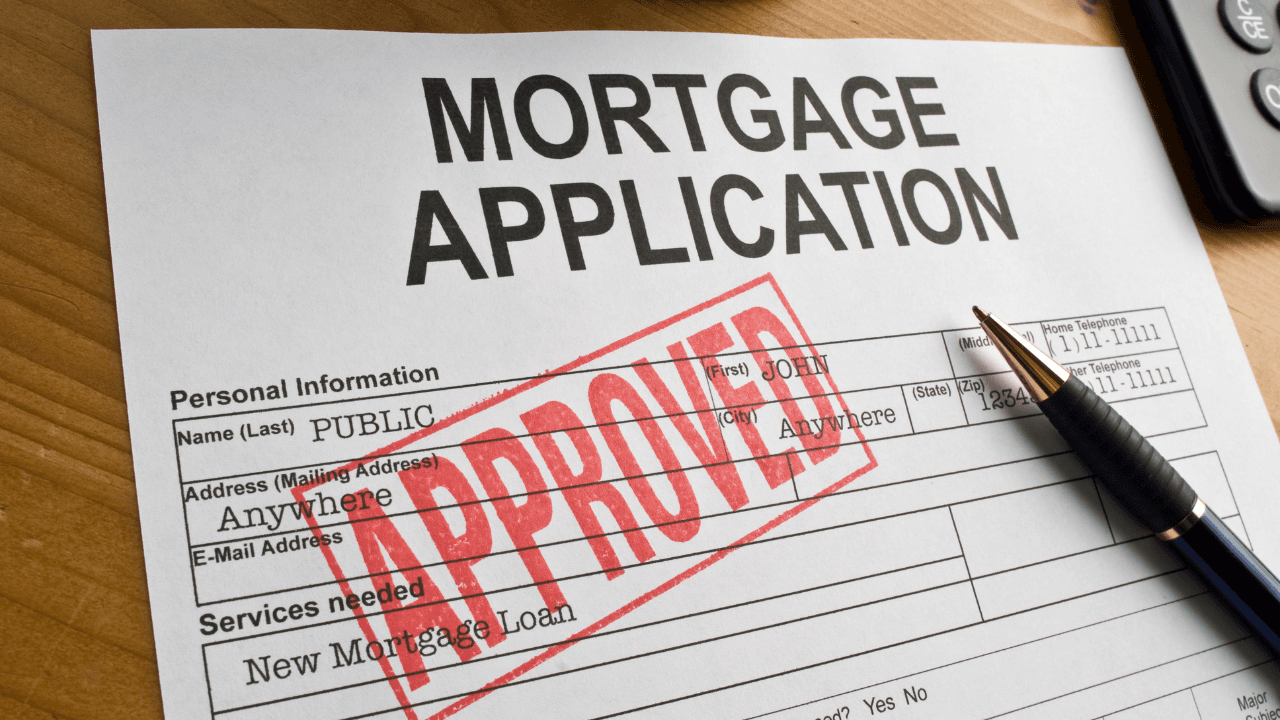
Applying for an Islamic home financing product feels familiar on the surface. You still submit income proof, get an appraisal, and sign at closing. What changes is the contract structure, the Shariah review, and the questions you should ask before you commit. This walkthrough explains each stage so you know what to expect when you apply with leading U.S. providers such as Guidance Residential, Ijara Community Development, and UIF.
Ready to compare halal options?
Stage 1: Pre Qualification and Product Fit
Start on the home financing hub to see which providers serve your state. Most buyers compare co ownership (Musharakah) models from Guidance and UIF against Ijara (lease to own) from IjaraCDC. Pre qualification usually takes one to three business days and covers credit range, down payment, purchase price, and property type.
- Government ID and Social Security number for a soft credit pull
- Recent pay stubs or two years of tax returns if self employed
- Bank statements showing down payment funds
- Target purchase price and zip code
- Whether the home will be primary residence, second home, or investment (rules vary)
Read Murabaha vs Musharakah vs Ijara before you choose a structure. The product you pick determines which documents you sign at closing.
Stage 2: Full Application and Underwriting
After pre qualification, you complete a full application similar to a conventional mortgage. Underwriters verify employment, assets, debts, and the property contract if you already have one. Islamic lenders still follow prudent lending standards. They also route your file through an internal or external Shariah review to confirm the transaction matches their published fatwa or board standards.
| Document | Why lenders ask | Tip |
|---|---|---|
| W-2 or 1099 plus tax returns | Income stability | Self employed buyers should have two years of returns ready |
| Asset statements | Down payment and reserves | Large deposits need a paper trail |
| Purchase agreement | Price and contingencies | Keep financing contingency aligned with halal lender timeline |
| Homeowners insurance quote | Closing requirement | Confirm insurer accepts Islamic financing structure |
| Shariah disclosure forms | Religious compliance | Read before you sign; ask for plain language summary |
How the three major providers differ at this stage
Guidance Residential uses a declining balance co ownership model with AMJA endorsement. Expect co ownership and lease components in your file review. IjaraCDC structures many deals as lease to own with nationwide coverage, which helps buyers in states other providers skip. UIF follows AAOIFI aligned diminishing Musharakah in the states it serves. Compare total cost, not just the first year payment, using our halal home financing comparison and Guidance vs UIF comparison.
Stage 3: Appraisal, Title, and Shariah Clearance
Once underwriting approves your file, the lender orders an appraisal and title work. Title must be insurable and free of liens that block closing. Shariah clearance confirms the economic arrangement matches the provider's published model. If the property is a condo, the lender may review HOA rules and insurance. Timeline here is often two to four weeks depending on market backlog.
Ask for a sample closing disclosure or equivalent cost summary before you lock terms. Halal financing should show every fee in writing with no hidden interest line items.
Stage 4: Closing and After You Move In
Top Providers for This Topic

Free to compare · No sign-up required
At closing you sign the co ownership, lease, or purchase agreements that replace a conventional note and mortgage. You receive keys when funds disburse and title records. After closing, keep copies of every signed page. Payment portals differ by provider. Set up autopay only after you confirm how extra principal payments affect your ownership share under your specific contract.
Stay Updated
Get halal finance updates, new provider alerts, and expert insights
No spam ever. Unsubscribe in one click.
- Review who holds title on day one and when full ownership transfers
- Confirm property tax and insurance escrow rules
- Understand late payment policies under Islamic contract terms
- Save your provider's Shariah board contact or published FAQ for future questions
- Plan for tax treatment of Islamic home financing with your tax advisor
Frequently Asked Questions
How long does Islamic home financing approval take?
Many files close in 30 to 45 days, similar to conventional mortgages. Complex income, new construction, or slow appraisal markets can extend the timeline. Ask your loan officer for a written estimate at application.
Do I need a higher credit score for halal financing?
Minimum scores vary by provider. IjaraCDC often works with buyers who have limited credit history. Guidance and UIF typically expect stronger files for the best terms. Pre qualify with more than one provider if your score is below 680.
Can I use the same real estate agent as a conventional buyer?
Yes. Tell your agent early that you are using Islamic financing so contract deadlines match your lender. Some agents in major metro areas already know Guidance, IjaraCDC, or UIF requirements.
What if I am buying in a state only one provider serves?
Check state coverage on the home financing hub first. IjaraCDC serves all 50 states. Guidance and UIF cover large multi state footprints but not every zip code. If only one provider serves you, still review their Shariah documentation and total cost before you sign.
Can I switch providers after pre qualification?
Yes, until you lock terms and pay non refundable third party fees. Comparing two halal quotes on the same property is the best way to see real price differences between structures.
Compare providers in your state
See side-by-side comparisons of Shariah-compliant products, or let our matcher recommend the best options for your situation.
This article is for education only. Financing terms, state coverage, and Shariah standards change. Confirm current details with each provider before you apply.