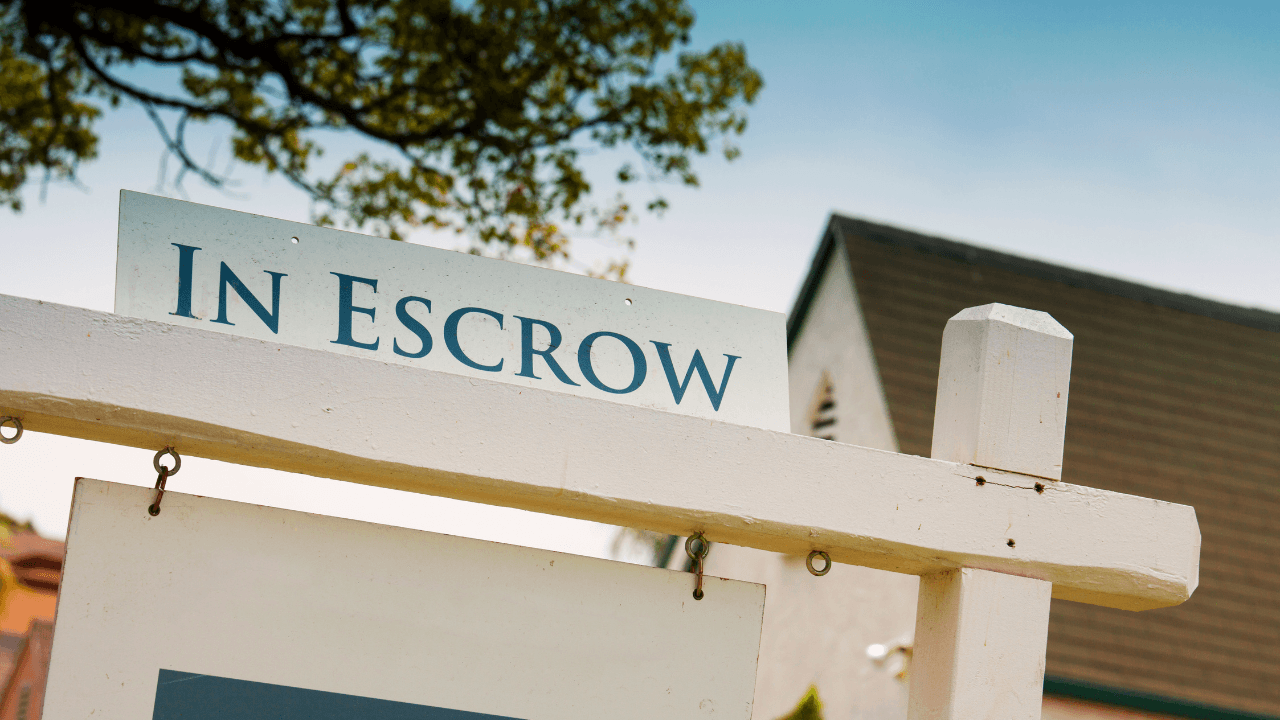
How does escrow work with a [halal mortgage](/home-financing)? Most Islamic home financing providers collect property taxes and homeowners insurance through a monthly escrow impound alongside your ownership or lease payment. The provider holds funds in a trust account and pays tax and insurance bills when they come due. This is a service arrangement, not an interest-bearing loan feature. This guide explains what goes into your monthly payment, how escrow analysis works, what to verify for shariah compliance, and how escrow differs from conventional mortgages in 2026.
Ready to compare halal options?
What Is Escrow in Home Financing?
An escrow account (also called an impound account) holds your money for future property tax and insurance payments. Each month you pay a portion of the annual tax and insurance bill. When the county tax assessor and your insurance company send bills, the provider pays them from escrow on your behalf. Escrow protects the provider's co-ownership or lease interest in the property by keeping taxes current and the home insured.
| Escrow item | Who pays the bill | How often |
|---|---|---|
| Property taxes | Provider from escrow | Usually twice yearly; varies by county |
| Homeowners insurance | Provider from escrow | Annual renewal |
| Flood insurance (if required) | Provider from escrow | Annual |
| HOA dues | Usually you directly | Monthly or quarterly unless impounded |
Your Monthly Payment Breakdown
A typical halal home financing monthly payment includes three parts:
- Ownership or lease component: Your payment that buys out the provider's share (musharakah) or fulfills the lease (ijara)
- Property taxes (escrow portion): One twelfth of the estimated annual tax bill
- Homeowners insurance (escrow portion): One twelfth of the annual premium
Unlike a conventional mortgage where principal and interest are separate line items, halal financing shows an acquisition payment plus escrow. The total draft amount is what you budget each month. See how halal home financing profit rates work for how the acquisition component is priced.
Is Escrow Shariah Compliant?
Yes. Escrow is a wakala (agency) arrangement: you authorize the provider to hold and disburse funds for specific obligations. The funds are your money set aside for taxes and insurance, not a loan. Key points to verify with Guidance Residential, Ijara CDC, and UIF:
- Escrow balances should not earn interest credited to the provider as riba income
- If the provider earns return on pooled escrow, it should be disclosed and handled per shariah board guidance
- You should receive an annual escrow analysis showing deposits and disbursements
- Surplus above required reserves should be refunded to you after analysis
Escrow Analysis and Payment Changes
Once a year, your provider reviews escrow activity and adjusts your monthly impound. If property taxes rose or your insurance premium increased, your monthly escrow portion goes up even if your acquisition payment stays the same. If taxes fell or you overpaid, you may get a refund or lower monthly amount. This is the same mechanics as conventional escrow, independent of whether your financing is Islamic or conventional.
Property Taxes: What Muslim Buyers Should Know
Property tax rates vary widely by county and school district. Your escrow estimate at closing is based on the seller's prior tax bill or a county estimate. Reassessments after purchase can raise taxes sharply in some states. Budget for increases in year two. Homestead exemptions may lower your bill if you occupy the home as a primary residence; apply at your county assessor's office after closing.
Top Providers for This Topic

Free to compare · No sign-up required
Homeowners Insurance Requirements
Your provider will require hazard insurance naming them as an additional interest or loss payee because they co-own or lease the property to you. Shop insurance early; premiums vary by state, roof age, and wildfire or flood risk. If you are in a FEMA flood zone, flood insurance is usually mandatory and added to escrow.
Get every halal provider graded (free PDF)
Every US halal provider graded on Shariah integrity, transparency, and value - the full scorecard PDF, plus alerts when grades change
No spam ever. Unsubscribe in one click.
Escrow at Closing vs Monthly Escrow
At closing, you typically prepay several months of taxes and insurance into escrow to build a starting balance. This is separate from your down payment and acquisition payment. See halal home financing closing costs and fees for a full closing table.
FAQ
Can I waive escrow and pay taxes myself?
Some providers allow escrow waiver if you put down 20 percent or more and request it in writing. Many Muslim buyers keep escrow for convenience and to avoid missed tax deadlines.
Why did my payment go up without a rate change?
Usually escrow changed. Tax reassessments and insurance renewals are the most common reasons your total monthly draft increases.
What happens to escrow when I pay off the home?
Once you own 100 percent and the provider releases their interest, escrow may close and you pay taxes and insurance directly. Confirm the transfer process with your provider.
Does escrow affect zakat?
Escrow funds are still your money held for specific bills. Some scholars include them in cash zakat; others treat them as already committed. See how to calculate zakat on savings and cash.
Bottom line
Compare providers in your state
See side-by-side comparisons of Shariah-compliant products, or let our matcher recommend the best options for your situation.
Escrow is standard, permissible, and practical for halal home financing. Understand all three parts of your monthly payment, review your annual escrow statement, and ask your provider how escrow balances are handled for shariah compliance.