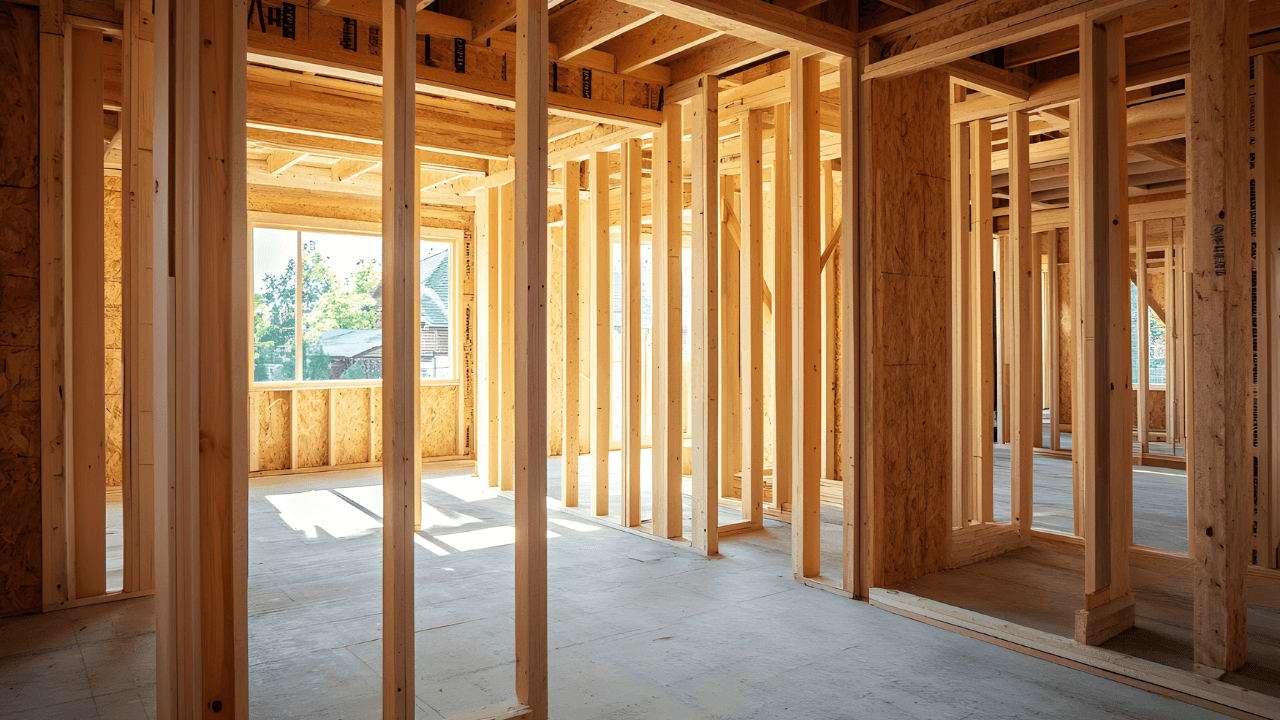
Financing the construction of a new home with a shariah-compliant structure is more complex than a standard home purchase, but it is possible. The main challenge is that conventional construction loans disburse funds in stages (draw schedules) with interest accruing on each draw - a structure that cannot be replicated directly in Islamic finance. As of 2026, Muslim buyers have a few options for halal construction financing, though availability is more limited than for standard purchase financing.
Ready to compare halal options?
Why Construction Financing Is More Complex for Islamic Finance
A conventional construction loan works like this: the lender advances funds in stages as construction progresses, and the borrower pays interest on the outstanding balance. When construction is complete, the loan converts to a permanent mortgage. The interest-on-draws model cannot simply be replicated with a halal structure because there is no asset to co-own or lease until construction is complete.
Islamic construction financing requires a structure where the financier either: (a) purchases the land and manages the construction on behalf of the buyer (istisna model), or (b) provides equity-based funding in stages with a musharakah structure. Both are more operationally complex than standard purchase financing.
Shariah-Compliant Construction Financing Structures
Istisna (Manufacturing Contract)
Istisna is a forward purchase contract used in Islamic finance for manufactured or constructed assets. In a home construction context, the financier commissions the construction of the property and then sells it to you at a fixed price with installment payments. The terms (price, specifications, delivery date) are fixed upfront, avoiding gharar (excessive uncertainty). This is the primary AAOIFI-sanctioned structure for construction financing (AAOIFI Shariah Standard No. 11).
Musharakah Construction Financing
Musharakah-based construction financing involves a joint venture between the buyer and the financier to develop the property. Both parties contribute capital; the financier's contribution is larger initially and reduces as the buyer makes payments. Profits (in the form of the completed home's value) are shared according to the ownership ratio. This structure requires careful documentation and a shariah advisor to confirm compliance.
Which U.S. Islamic Providers Offer Construction Financing?
| Provider | Construction Financing? | Notes |
|---|---|---|
| Guidance Residential | Limited - confirm directly | Standard programs focus on purchase; ask about new construction |
| Ijara CDC | Some programs - confirm directly | Has worked with new construction in some markets |
| UIF | Limited - confirm directly | Primary focus is purchase and refinance; inquire for new build |
| LaunchGood / Private Musharakah | Case by case | For large projects; requires private structuring with a scholar |
None of the three major U.S. Islamic providers offers a fully standardized new-construction product comparable to their purchase products. New construction with Islamic financing typically requires direct discussion with the provider, a custom structure, and potentially a higher down payment. Call each provider directly and describe your specific situation.
Practical Options for Muslim Homebuyers Who Want New Construction
Option 1: Spec Home or Nearly-Completed New Build
The easiest path is to purchase a spec home (a new home that a builder has already constructed or is nearly complete) using a standard Islamic home purchase financing arrangement. Once the property is complete and can be appraised, it qualifies for the same diminishing musharakah or ijara structures as any resale home. This avoids the construction phase entirely.
Option 2: New Construction Purchase Agreement with Standard Islamic Financing
Get every halal provider graded (free PDF)
Every US halal provider graded on Shariah integrity, transparency, and value - the full scorecard PDF, plus alerts when grades change
No spam ever. Unsubscribe in one click.
Some builders will accept a standard purchase agreement where the closing occurs after completion. If you sign a purchase contract with a builder and close only when the home is complete and has a certificate of occupancy, you may be able to use a standard Islamic home financing product (no construction draws needed). Ask your builder whether they offer 'close at completion' contracts rather than requiring construction financing during the build.
Option 3: Cash Purchase of Land + Conventional Construction Loan (Avoided)
Some Muslim families use personal savings or halal investment proceeds to purchase land outright (avoiding any financing on the land), then seek Islamic financing only for the completed home after construction is funded separately. This is viable only with significant liquid capital.
Option 4: Halal Private Financing with Community Partner
For custom builds, a private musharakah arrangement with a wealthy community investor or Islamic cooperative can fund construction on a profit-sharing basis. This requires a custom structure reviewed by a shariah scholar and is not widely available through standard consumer channels.
What to Look for in a New Build If You Plan to Use Islamic Financing
- Ask the builder if they accept 'close on completion' contracts - this enables standard Islamic purchase financing
- Confirm that the builder will provide a clear title and certificate of occupancy before you need to close
- Have your Islamic provider issue a pre-approval before signing with the builder - some builders require proof of financing commitment upfront
- Budget for builder upgrades in your financing amount - providers will finance up to a defined LTV of the completed appraised value
Frequently Asked Questions
Can I use a conventional construction loan and then refinance to Islamic financing at completion?
Technically yes - you would take a conventional construction loan (which involves interest), then refinance the completed home into an Islamic structure. However, this means you will have paid interest during the construction period, which is impermissible. Many scholars would advise against this approach unless no halal alternative exists. See the can you refinance a conventional mortgage into a halal one guide for the refinance process.
Are modular or manufactured homes eligible for Islamic financing?
Modular homes (factory-built but placed on a permanent foundation and classified as real property) can qualify for standard Islamic home purchase financing once they are affixed to land with a permanent foundation and have a clear title. Manufactured homes (mobile homes, HUD code homes) face more restrictions and may require specific programs.
Compare providers in your state
See side-by-side comparisons of Shariah-compliant products, or let our matcher recommend the best options for your situation.
For a full comparison of halal home financing providers, see the HalalWallet home financing hub or the provider directory.