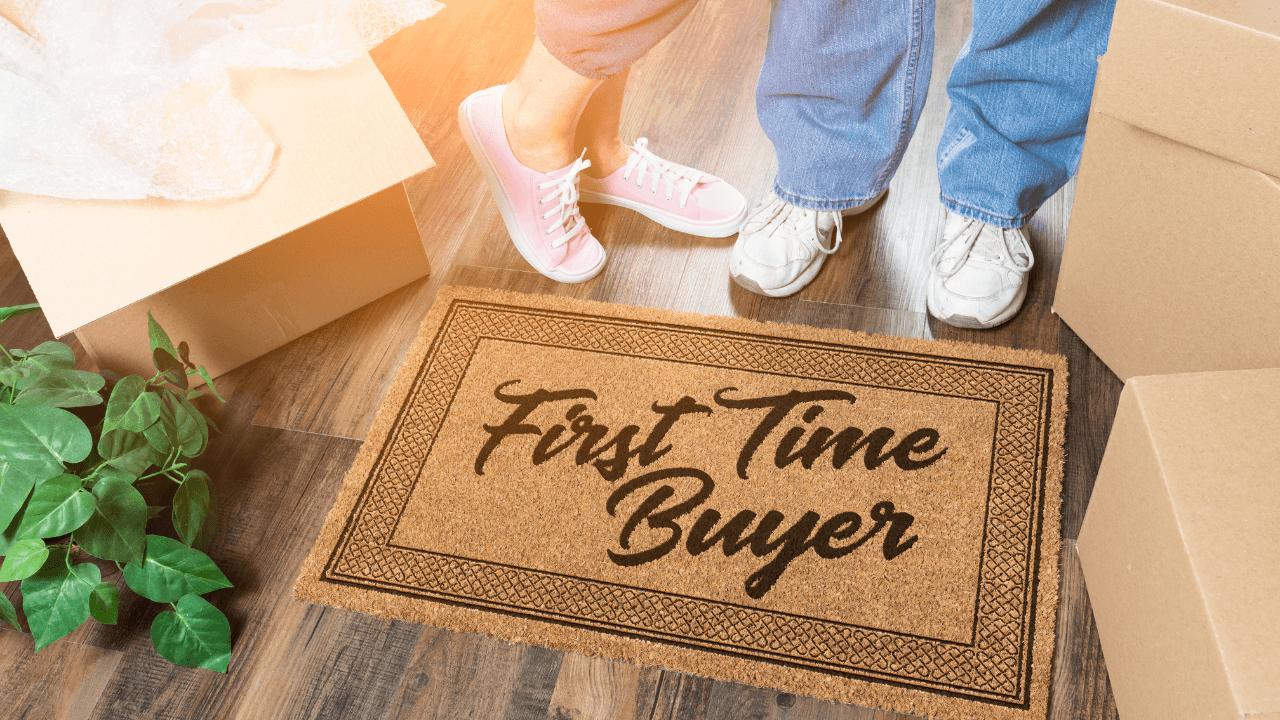
Buying your first home as a Muslim in the U.S. means navigating a housing market built entirely around conventional mortgages, while trying to find a product that doesn't involve interest. It's possible. More than possible, actually. There are established halal home financing providers operating across the country with decades of experience helping Muslim families buy homes. The process just looks a little different from what you'd find at a conventional lender.
This guide covers what every first-time Muslim homebuyer needs to know: how halal financing actually works, what the main providers offer, how to get pre-approved, and what to expect between signing and closing.
Ready to compare halal options?
How halal home financing works
A conventional mortgage is a loan. You borrow money from a bank, pay interest on it for 15 or 30 years, and own the home outright at the end. Islamic finance prohibits interest (riba), so halal home financing uses different structures to accomplish the same outcome.
The two most common structures in the U.S. are diminishing musharakah (co-ownership) and ijara (lease-to-own). In diminishing musharakah, you and the provider purchase the home together. You pay rent for the provider's share while also buying out that share over time. Your ownership percentage grows until you own the home outright. In ijara, the provider purchases the home and leases it to you. Your payments include a rental component and a purchase component, and you take full ownership at the end of the term.
Both structures have received shariah certification from Islamic scholars and religious boards. Neither involves interest. The total cost compared to a conventional mortgage varies, but the gap has narrowed significantly over the past decade. For a direct comparison, see the HalalWallet home financing hub.
The main halal mortgage providers in the U.S.
Guidance Residential is the largest halal home financing provider in the U.S. by volume. They use a diminishing musharakah (co-ownership) structure and serve most of the country. They've financed tens of thousands of American Muslim families. For most first-time buyers, Guidance Residential is the starting point simply because of their scale, experience, and broad state availability.
Ijara CDC uses an ijara (lease-to-own) structure and operates in 33 states. They're a strong option for buyers who prefer the lease-to-own model or whose state isn't served by other providers. Their process is well-established and they have years of experience with first-time buyers.
Other providers include UIF, Neeyah, Devon Bank, and Ameen Housing Cooperative (California only). The halal home financing comparison on HalalWallet breaks down all the major options side by side.
Down payment requirements for first-time buyers
Most halal home financing providers require a minimum 3% to 5% down payment, though 10% to 20% is more common for competitive applications. Guidance Residential has offered programs with down payments as low as 3% for qualifying borrowers. Ijara CDC's minimum varies by program and state.
The good news for first-time buyers: you can use down payment assistance programs, gift funds from family, and in some cases employer assistance for your down payment on a halal mortgage, the same as you could with a conventional loan. Always confirm eligibility with your specific provider.
Getting pre-approved for a halal mortgage
The pre-approval process for halal financing is similar to conventional: the provider reviews your income, employment history, credit score, and debt-to-income ratio. You'll need to provide pay stubs, tax returns, bank statements, and identification.
Credit score expectations vary by provider, but most halal lenders look for a minimum score in the 620 to 660 range for standard programs, with better rates available above 700. If your credit score needs work, that's the first thing to address before you apply.
One thing to know: Islamic financing providers sometimes take longer to process applications than conventional lenders because of the additional structure involved in the financing model. Build a little extra time into your homebuying timeline, especially if you're in a competitive market where sellers want fast closings.
Finding a home and making an offer
Once you're pre-approved, the home search process is identical to any other buyer's. You work with a real estate agent, view homes, and make offers. Sellers don't need to know or care that you're using halal financing. From their side, the closing process looks the same.
What your real estate agent should know: some halal financing structures involve a slightly different contract format at closing. If your agent hasn't worked with Islamic financing before, let them know early. Most experienced agents in areas with significant Muslim populations have seen it before. In smaller markets, a quick call between your agent and your financing provider can resolve any unfamiliar paperwork.
Stay Updated
Get halal finance updates, new provider alerts, and expert insights
No spam ever. Unsubscribe in one click.
Closing costs for halal mortgages
Expect closing costs between 2% and 5% of the home purchase price, similar to conventional mortgages. Costs include appraisal fees, title insurance, attorney fees, and provider-specific processing fees. Some halal providers have slightly higher closing costs than conventional lenders due to the structure of their agreements, though this has become more competitive over time.
Ask for a full Loan Estimate (or equivalent disclosure) early in the process so you can compare total costs across providers before committing. The interest rate isn't directly comparable between halal and conventional products, but the total cost of financing over the loan term is.
Is halal financing more expensive than a conventional mortgage?
Historically yes, though the gap has narrowed significantly. For first-time buyers, the more relevant question is: what's the total cost over the life of your financing agreement, compared to a conventional mortgage at current rates? Sometimes halal financing is close. Sometimes there's a meaningful premium. The answer depends on which provider you use, your down payment, the term length, and market conditions at the time you close.
For many Muslim buyers, the cost premium (if any) is acceptable because interest avoidance is a firm religious principle, not a preference. But understanding the actual numbers helps you make an informed decision. Get quotes from at least 2 providers and compare.
Frequently asked questions
Can I use an FHA loan as a first-time buyer if I want halal financing?
FHA loans are conventional interest-bearing mortgages backed by the federal government. They're not halal. Some Muslim buyers use FHA loans because of the low down payment requirement and then donate the interest portion of their payments to charity, though this approach varies in scholarly opinion. If full halal compliance is your goal, you'd work with a dedicated halal financing provider rather than an FHA lender.
What credit score do I need for a halal mortgage?
Most halal providers look for a minimum score between 620 and 660, though requirements vary. Guidance Residential and Ijara CDC both have specific credit requirements that can differ by program and state. Above 700 generally qualifies you for better terms. Check directly with your target provider for their current thresholds.
Can I get a halal mortgage on a multi-family home?
Some halal providers finance multi-family properties (2 to 4 units) where the buyer occupies one unit. Availability varies by provider. Guidance Residential and Ijara CDC both have programs that may cover 2-4 unit properties. Investment-only multi-family properties (where you don't live there) are handled differently and may require commercial halal financing rather than residential.
How long does it take to close on a halal mortgage?
Typically 30 to 60 days from accepted offer to closing, similar to conventional mortgages. Some halal providers may take a few days longer due to their internal processes. Build a 45 to 60 day closing timeline into your offer if possible, especially if you're working with a provider for the first time.
Compare providers in your state
See side-by-side comparisons of Shariah-compliant products, or let our matcher recommend the best options for your situation.
Do I need a Muslim real estate agent for halal financing?
No. The halal nature of the transaction comes from the financing structure, not from who represents you in the real estate transaction. Any licensed real estate agent can help you buy a home using halal financing. That said, an agent who has worked with Islamic financing before will be more comfortable with the closing paperwork. It's worth asking your agent up front.