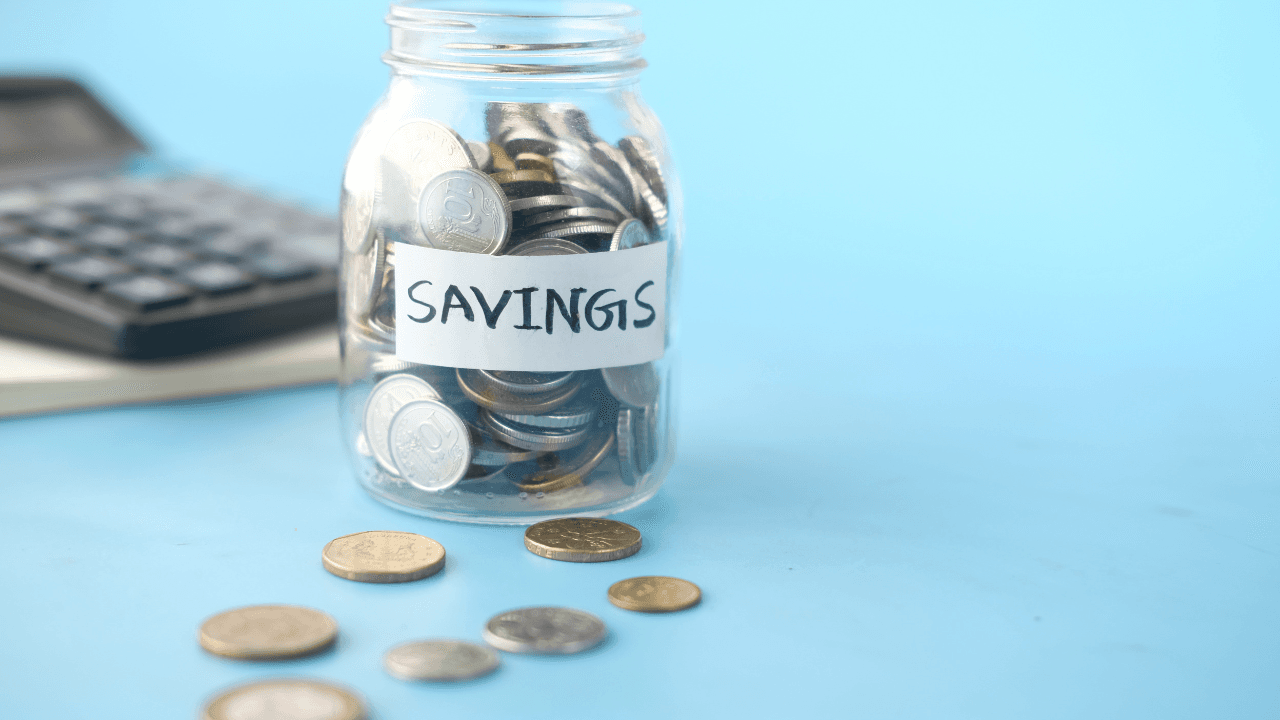
The First Home Savings Account (FHSA) lets eligible Canadians save up to $8,000 per year (lifetime cap $40,000) with tax deductible contributions and tax free withdrawals for a first home purchase. For Muslim savers, the account itself is neutral. What matters is what you hold inside it. This guide explains FHSA mechanics, how to choose halal investments, and how the FHSA fits next to your TFSA and RRSP plan.
Ready to compare halal options?
How the FHSA Works for Canadian Muslims
You can open an FHSA if you are a Canadian resident age 18 or older and have not owned a home in the current year or the prior four years. Contributions reduce taxable income. Qualifying home withdrawals are tax free. Unused room carries forward. If you never buy a home, you can transfer funds to an RRSP or RRIF later subject to rules. None of that logic conflicts with Islam by itself. The compliance question is whether your underlying investments avoid riba, haram sectors, and excessive uncertainty.
| Account | Primary use | Halal planning note |
|---|---|---|
| FHSA | First home down payment | Hold halal cash equivalents or screened equities/ETFs only |
| TFSA | Flexible tax free growth | Often used for long term halal ETFs after FHSA is maxed |
| RRSP | Retirement | Screen holdings; some Muslims prefer equity heavy halal funds over bond like products |
Halal Investment Options Inside an FHSA
Most major brokers let you hold cash, GICs, mutual funds, ETFs, and individual stocks in an FHSA. For Shariah compliance:
- Cash and halal high interest savings alternatives: Some Canadian digital banks offer profit sharing or explicitly non interest storage; verify Shariah policy before you park FHSA money
- Halal ETFs and mutual funds: Use funds with published Shariah screening such as products from Manzil or other Canadian halal asset managers where available
- Individual stocks: Run each ticker through a halal screener; avoid conventional banks, alcohol, gambling, and impermissible debt ratios
- Avoid conventional bond funds and income products built on interest unless a qualified scholar approves a specific exception
Explore the investing hub for screened product comparisons and registered account planning resources.
FHSA vs Other Registered Accounts for Home Savers
Many Muslim first time buyers max the FHSA first because of the dedicated home withdrawal and deduction combo. TFSA room still helps if you save beyond FHSA caps or want investments your FHSA broker does not offer. RRSP Home Buyers Plan is a separate program with its own repayment rules; some scholars treat HBP mechanics differently from FHSA withdrawals. Ask a qualified advisor when you mix programs.
Treat FHSA like a dedicated down payment bucket: halal holdings only, stable enough to survive a two to five year home purchase timeline.
Frequently Asked Questions
Top Providers for This Topic



Free to compare · No sign-up required
Is the FHSA itself halal?
The account is a government registered tax wrapper. Compliance depends on what you invest in, not the existence of the account.
Can I hold a halal ETF in my FHSA?
Yes, if your broker offers the fund in registered accounts and the fund meets your scholar's screening standard. Confirm fund availability before you open the FHSA at that institution.
What happens if I miss the annual FHSA deadline?
Unused contribution room carries forward. You do not lose eligibility solely from skipping a year, but you lose that year's immediate tax deduction until you contribute.
Can I use FHSA funds with halal home financing?
Yes. Down payment sources are separate from your mortgage structure. Pair FHSA withdrawals with providers such as IjaraCDC or Manzil when you buy.
Should I prioritize FHSA or TFSA first?
If you are a confirmed first time buyer within five years, FHSA usually comes first for the home specific tax benefits. If homeownership is uncertain, split contributions after consulting a financial planner.
Compare providers in your state
See side-by-side comparisons of Shariah-compliant products, or let our matcher recommend the best options for your situation.
This article is for education only. Tax rules and investment products change. Consult a tax professional and qualified Islamic scholar for your situation.